Traveling Village Toolbox
Welcome to the "Toolbox" — a collection of key principles, philosophies, and strategies that shape the Traveling Village community. Each tool represents a piece of our open-source approach to community building. Click on any tool to dive deeper into how we've implemented these ideas, and feel free to adapt them to create your own community.
Tools can be used differently (or not at all) in different villages, so consider this inspiration and not the exact way a village will work. You can read more about a specific village on it's own page.
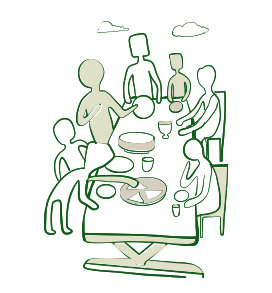
Communal meals

Workgroups
Workgroups are a core part of how we run Traveling Village. From TV1, TV2 and TV3, we have seen how well this works in practice, and we are now building further on it for TV4 and TV5.
Workgroups are one of the main ways to get involved, take real responsibility and help shape the village. It is where things actually happen.
Each workgroup consists of 3 to 6 people. This makes it possible to involve a broad mix of families and make sure different needs and perspectives are represented in the work that gets done.
We highly recommend that each adult is part of a workgroup.
Each workgroup has a lead. The role of the lead is to be the proactive person who gets things started, collects information, and acts as the main point of contact for the rest of the village.
The community budget is split between workgroups, so most groups have their own budget and are responsible for decisions within their area.
We start with a set of workgroups we know work well, including infrastructure, lodging, communal meals, finance, events, activities, and emergency and conflict. From there, the village can create more workgroups based on what is needed.
One of the big benefits is that workgroups reduce friction. If something does not feel right, the best option is often to join the workgroup and help shape it. That tends to lead to better outcomes than discussing things from the outside.
We try to structure workgroups around what people are naturally interested in and good at. This creates more ownership and energy, but it is still a balance we are learning and improving each time.
Workgroups are also one of the easiest ways to connect with others in the village. By taking part, you become part of creating the experience, not just joining it.
Over time, we have seen how much this approach can unlock. Workgroups are a big part of what makes the village actually work.
Communal meals
Workgroups
Workgroups are a core part of how we run Traveling Village. From TV1, TV2 and TV3, we have seen how well this works in practice, and we are now building further on it for TV4 and TV5.
Workgroups are one of the main ways to get involved, take real responsibility and help shape the village. It is where things actually happen.
Each workgroup consists of 3 to 6 people. This makes it possible to involve a broad mix of families and make sure different needs and perspectives are represented in the work that gets done.
We highly recommend that each adult is part of a workgroup.
Each workgroup has a lead. The role of the lead is to be the proactive person who gets things started, collects information, and acts as the main point of contact for the rest of the village.
The community budget is split between workgroups, so most groups have their own budget and are responsible for decisions within their area.
We start with a set of workgroups we know work well, including infrastructure, lodging, communal meals, finance, events, activities, and emergency and conflict. From there, the village can create more workgroups based on what is needed.
One of the big benefits is that workgroups reduce friction. If something does not feel right, the best option is often to join the workgroup and help shape it. That tends to lead to better outcomes than discussing things from the outside.
We try to structure workgroups around what people are naturally interested in and good at. This creates more ownership and energy, but it is still a balance we are learning and improving each time.
Workgroups are also one of the easiest ways to connect with others in the village. By taking part, you become part of creating the experience, not just joining it.
Over time, we have seen how much this approach can unlock. Workgroups are a big part of what makes the village actually work.
Workgroups
Workgroups
Workgroups are a core part of how we run Traveling Village. From TV1, TV2 and TV3, we have seen how well this works in practice, and we are now building further on it for TV4 and TV5.
Workgroups are one of the main ways to get involved, take real responsibility and help shape the village. It is where things actually happen.
Each workgroup consists of 3 to 6 people. This makes it possible to involve a broad mix of families and make sure different needs and perspectives are represented in the work that gets done.
We highly recommend that each adult is part of a workgroup.
Each workgroup has a lead. The role of the lead is to be the proactive person who gets things started, collects information, and acts as the main point of contact for the rest of the village.
The community budget is split between workgroups, so most groups have their own budget and are responsible for decisions within their area.
We start with a set of workgroups we know work well, including infrastructure, lodging, communal meals, finance, events, activities, and emergency and conflict. From there, the village can create more workgroups based on what is needed.
One of the big benefits is that workgroups reduce friction. If something does not feel right, the best option is often to join the workgroup and help shape it. That tends to lead to better outcomes than discussing things from the outside.
We try to structure workgroups around what people are naturally interested in and good at. This creates more ownership and energy, but it is still a balance we are learning and improving each time.
Workgroups are also one of the easiest ways to connect with others in the village. By taking part, you become part of creating the experience, not just joining it.
Over time, we have seen how much this approach can unlock. Workgroups are a big part of what makes the village actually work.
Workgroups
Workgroups
Workgroups are a core part of how we run Traveling Village. From TV1, TV2 and TV3, we have seen how well this works in practice, and we are now building further on it for TV4 and TV5.
Workgroups are one of the main ways to get involved, take real responsibility and help shape the village. It is where things actually happen.
Each workgroup consists of 3 to 6 people. This makes it possible to involve a broad mix of families and make sure different needs and perspectives are represented in the work that gets done.
We highly recommend that each adult is part of a workgroup.
Each workgroup has a lead. The role of the lead is to be the proactive person who gets things started, collects information, and acts as the main point of contact for the rest of the village.
The community budget is split between workgroups, so most groups have their own budget and are responsible for decisions within their area.
We start with a set of workgroups we know work well, including infrastructure, lodging, communal meals, finance, events, activities, and emergency and conflict. From there, the village can create more workgroups based on what is needed.
One of the big benefits is that workgroups reduce friction. If something does not feel right, the best option is often to join the workgroup and help shape it. That tends to lead to better outcomes than discussing things from the outside.
We try to structure workgroups around what people are naturally interested in and good at. This creates more ownership and energy, but it is still a balance we are learning and improving each time.
Workgroups are also one of the easiest ways to connect with others in the village. By taking part, you become part of creating the experience, not just joining it.
Over time, we have seen how much this approach can unlock. Workgroups are a big part of what makes the village actually work.
Workgroups
Workgroups
Workgroups are a core part of how we run Traveling Village. From TV1, TV2 and TV3, we have seen how well this works in practice, and we are now building further on it for TV4 and TV5.
Workgroups are one of the main ways to get involved, take real responsibility and help shape the village. It is where things actually happen.
Each workgroup consists of 3 to 6 people. This makes it possible to involve a broad mix of families and make sure different needs and perspectives are represented in the work that gets done.
We highly recommend that each adult is part of a workgroup.
Each workgroup has a lead. The role of the lead is to be the proactive person who gets things started, collects information, and acts as the main point of contact for the rest of the village.
The community budget is split between workgroups, so most groups have their own budget and are responsible for decisions within their area.
We start with a set of workgroups we know work well, including infrastructure, lodging, communal meals, finance, events, activities, and emergency and conflict. From there, the village can create more workgroups based on what is needed.
One of the big benefits is that workgroups reduce friction. If something does not feel right, the best option is often to join the workgroup and help shape it. That tends to lead to better outcomes than discussing things from the outside.
We try to structure workgroups around what people are naturally interested in and good at. This creates more ownership and energy, but it is still a balance we are learning and improving each time.
Workgroups are also one of the easiest ways to connect with others in the village. By taking part, you become part of creating the experience, not just joining it.
Over time, we have seen how much this approach can unlock. Workgroups are a big part of what makes the village actually work.
Co-creating
Workgroups
Workgroups are a core part of how we run Traveling Village. From TV1, TV2 and TV3, we have seen how well this works in practice, and we are now building further on it for TV4 and TV5.
Workgroups are one of the main ways to get involved, take real responsibility and help shape the village. It is where things actually happen.
Each workgroup consists of 3 to 6 people. This makes it possible to involve a broad mix of families and make sure different needs and perspectives are represented in the work that gets done.
We highly recommend that each adult is part of a workgroup.
Each workgroup has a lead. The role of the lead is to be the proactive person who gets things started, collects information, and acts as the main point of contact for the rest of the village.
The community budget is split between workgroups, so most groups have their own budget and are responsible for decisions within their area.
We start with a set of workgroups we know work well, including infrastructure, lodging, communal meals, finance, events, activities, and emergency and conflict. From there, the village can create more workgroups based on what is needed.
One of the big benefits is that workgroups reduce friction. If something does not feel right, the best option is often to join the workgroup and help shape it. That tends to lead to better outcomes than discussing things from the outside.
We try to structure workgroups around what people are naturally interested in and good at. This creates more ownership and energy, but it is still a balance we are learning and improving each time.
Workgroups are also one of the easiest ways to connect with others in the village. By taking part, you become part of creating the experience, not just joining it.
Over time, we have seen how much this approach can unlock. Workgroups are a big part of what makes the village actually work.
Co-creating
Workgroups
Workgroups are a core part of how we run Traveling Village. From TV1, TV2 and TV3, we have seen how well this works in practice, and we are now building further on it for TV4 and TV5.
Workgroups are one of the main ways to get involved, take real responsibility and help shape the village. It is where things actually happen.
Each workgroup consists of 3 to 6 people. This makes it possible to involve a broad mix of families and make sure different needs and perspectives are represented in the work that gets done.
We highly recommend that each adult is part of a workgroup.
Each workgroup has a lead. The role of the lead is to be the proactive person who gets things started, collects information, and acts as the main point of contact for the rest of the village.
The community budget is split between workgroups, so most groups have their own budget and are responsible for decisions within their area.
We start with a set of workgroups we know work well, including infrastructure, lodging, communal meals, finance, events, activities, and emergency and conflict. From there, the village can create more workgroups based on what is needed.
One of the big benefits is that workgroups reduce friction. If something does not feel right, the best option is often to join the workgroup and help shape it. That tends to lead to better outcomes than discussing things from the outside.
We try to structure workgroups around what people are naturally interested in and good at. This creates more ownership and energy, but it is still a balance we are learning and improving each time.
Workgroups are also one of the easiest ways to connect with others in the village. By taking part, you become part of creating the experience, not just joining it.
Over time, we have seen how much this approach can unlock. Workgroups are a big part of what makes the village actually work.
Co-creating
Workgroups
Workgroups are a core part of how we run Traveling Village. From TV1, TV2 and TV3, we have seen how well this works in practice, and we are now building further on it for TV4 and TV5.
Workgroups are one of the main ways to get involved, take real responsibility and help shape the village. It is where things actually happen.
Each workgroup consists of 3 to 6 people. This makes it possible to involve a broad mix of families and make sure different needs and perspectives are represented in the work that gets done.
We highly recommend that each adult is part of a workgroup.
Each workgroup has a lead. The role of the lead is to be the proactive person who gets things started, collects information, and acts as the main point of contact for the rest of the village.
The community budget is split between workgroups, so most groups have their own budget and are responsible for decisions within their area.
We start with a set of workgroups we know work well, including infrastructure, lodging, communal meals, finance, events, activities, and emergency and conflict. From there, the village can create more workgroups based on what is needed.
One of the big benefits is that workgroups reduce friction. If something does not feel right, the best option is often to join the workgroup and help shape it. That tends to lead to better outcomes than discussing things from the outside.
We try to structure workgroups around what people are naturally interested in and good at. This creates more ownership and energy, but it is still a balance we are learning and improving each time.
Workgroups are also one of the easiest ways to connect with others in the village. By taking part, you become part of creating the experience, not just joining it.
Over time, we have seen how much this approach can unlock. Workgroups are a big part of what makes the village actually work.

Founding families
Workgroups
Workgroups are a core part of how we run Traveling Village. From TV1, TV2 and TV3, we have seen how well this works in practice, and we are now building further on it for TV4 and TV5.
Workgroups are one of the main ways to get involved, take real responsibility and help shape the village. It is where things actually happen.
Each workgroup consists of 3 to 6 people. This makes it possible to involve a broad mix of families and make sure different needs and perspectives are represented in the work that gets done.
We highly recommend that each adult is part of a workgroup.
Each workgroup has a lead. The role of the lead is to be the proactive person who gets things started, collects information, and acts as the main point of contact for the rest of the village.
The community budget is split between workgroups, so most groups have their own budget and are responsible for decisions within their area.
We start with a set of workgroups we know work well, including infrastructure, lodging, communal meals, finance, events, activities, and emergency and conflict. From there, the village can create more workgroups based on what is needed.
One of the big benefits is that workgroups reduce friction. If something does not feel right, the best option is often to join the workgroup and help shape it. That tends to lead to better outcomes than discussing things from the outside.
We try to structure workgroups around what people are naturally interested in and good at. This creates more ownership and energy, but it is still a balance we are learning and improving each time.
Workgroups are also one of the easiest ways to connect with others in the village. By taking part, you become part of creating the experience, not just joining it.
Over time, we have seen how much this approach can unlock. Workgroups are a big part of what makes the village actually work.
Founding families
Workgroups
Workgroups are a core part of how we run Traveling Village. From TV1, TV2 and TV3, we have seen how well this works in practice, and we are now building further on it for TV4 and TV5.
Workgroups are one of the main ways to get involved, take real responsibility and help shape the village. It is where things actually happen.
Each workgroup consists of 3 to 6 people. This makes it possible to involve a broad mix of families and make sure different needs and perspectives are represented in the work that gets done.
We highly recommend that each adult is part of a workgroup.
Each workgroup has a lead. The role of the lead is to be the proactive person who gets things started, collects information, and acts as the main point of contact for the rest of the village.
The community budget is split between workgroups, so most groups have their own budget and are responsible for decisions within their area.
We start with a set of workgroups we know work well, including infrastructure, lodging, communal meals, finance, events, activities, and emergency and conflict. From there, the village can create more workgroups based on what is needed.
One of the big benefits is that workgroups reduce friction. If something does not feel right, the best option is often to join the workgroup and help shape it. That tends to lead to better outcomes than discussing things from the outside.
We try to structure workgroups around what people are naturally interested in and good at. This creates more ownership and energy, but it is still a balance we are learning and improving each time.
Workgroups are also one of the easiest ways to connect with others in the village. By taking part, you become part of creating the experience, not just joining it.
Over time, we have seen how much this approach can unlock. Workgroups are a big part of what makes the village actually work.
Founding families
Workgroups
Workgroups are a core part of how we run Traveling Village. From TV1, TV2 and TV3, we have seen how well this works in practice, and we are now building further on it for TV4 and TV5.
Workgroups are one of the main ways to get involved, take real responsibility and help shape the village. It is where things actually happen.
Each workgroup consists of 3 to 6 people. This makes it possible to involve a broad mix of families and make sure different needs and perspectives are represented in the work that gets done.
We highly recommend that each adult is part of a workgroup.
Each workgroup has a lead. The role of the lead is to be the proactive person who gets things started, collects information, and acts as the main point of contact for the rest of the village.
The community budget is split between workgroups, so most groups have their own budget and are responsible for decisions within their area.
We start with a set of workgroups we know work well, including infrastructure, lodging, communal meals, finance, events, activities, and emergency and conflict. From there, the village can create more workgroups based on what is needed.
One of the big benefits is that workgroups reduce friction. If something does not feel right, the best option is often to join the workgroup and help shape it. That tends to lead to better outcomes than discussing things from the outside.
We try to structure workgroups around what people are naturally interested in and good at. This creates more ownership and energy, but it is still a balance we are learning and improving each time.
Workgroups are also one of the easiest ways to connect with others in the village. By taking part, you become part of creating the experience, not just joining it.
Over time, we have seen how much this approach can unlock. Workgroups are a big part of what makes the village actually work.
Finding locations
Workgroups
Workgroups are a core part of how we run Traveling Village. From TV1, TV2 and TV3, we have seen how well this works in practice, and we are now building further on it for TV4 and TV5.
Workgroups are one of the main ways to get involved, take real responsibility and help shape the village. It is where things actually happen.
Each workgroup consists of 3 to 6 people. This makes it possible to involve a broad mix of families and make sure different needs and perspectives are represented in the work that gets done.
We highly recommend that each adult is part of a workgroup.
Each workgroup has a lead. The role of the lead is to be the proactive person who gets things started, collects information, and acts as the main point of contact for the rest of the village.
The community budget is split between workgroups, so most groups have their own budget and are responsible for decisions within their area.
We start with a set of workgroups we know work well, including infrastructure, lodging, communal meals, finance, events, activities, and emergency and conflict. From there, the village can create more workgroups based on what is needed.
One of the big benefits is that workgroups reduce friction. If something does not feel right, the best option is often to join the workgroup and help shape it. That tends to lead to better outcomes than discussing things from the outside.
We try to structure workgroups around what people are naturally interested in and good at. This creates more ownership and energy, but it is still a balance we are learning and improving each time.
Workgroups are also one of the easiest ways to connect with others in the village. By taking part, you become part of creating the experience, not just joining it.
Over time, we have seen how much this approach can unlock. Workgroups are a big part of what makes the village actually work.
Finding locations
Workgroups
Workgroups are a core part of how we run Traveling Village. From TV1, TV2 and TV3, we have seen how well this works in practice, and we are now building further on it for TV4 and TV5.
Workgroups are one of the main ways to get involved, take real responsibility and help shape the village. It is where things actually happen.
Each workgroup consists of 3 to 6 people. This makes it possible to involve a broad mix of families and make sure different needs and perspectives are represented in the work that gets done.
We highly recommend that each adult is part of a workgroup.
Each workgroup has a lead. The role of the lead is to be the proactive person who gets things started, collects information, and acts as the main point of contact for the rest of the village.
The community budget is split between workgroups, so most groups have their own budget and are responsible for decisions within their area.
We start with a set of workgroups we know work well, including infrastructure, lodging, communal meals, finance, events, activities, and emergency and conflict. From there, the village can create more workgroups based on what is needed.
One of the big benefits is that workgroups reduce friction. If something does not feel right, the best option is often to join the workgroup and help shape it. That tends to lead to better outcomes than discussing things from the outside.
We try to structure workgroups around what people are naturally interested in and good at. This creates more ownership and energy, but it is still a balance we are learning and improving each time.
Workgroups are also one of the easiest ways to connect with others in the village. By taking part, you become part of creating the experience, not just joining it.
Over time, we have seen how much this approach can unlock. Workgroups are a big part of what makes the village actually work.
Finding locations
Workgroups
Workgroups are a core part of how we run Traveling Village. From TV1, TV2 and TV3, we have seen how well this works in practice, and we are now building further on it for TV4 and TV5.
Workgroups are one of the main ways to get involved, take real responsibility and help shape the village. It is where things actually happen.
Each workgroup consists of 3 to 6 people. This makes it possible to involve a broad mix of families and make sure different needs and perspectives are represented in the work that gets done.
We highly recommend that each adult is part of a workgroup.
Each workgroup has a lead. The role of the lead is to be the proactive person who gets things started, collects information, and acts as the main point of contact for the rest of the village.
The community budget is split between workgroups, so most groups have their own budget and are responsible for decisions within their area.
We start with a set of workgroups we know work well, including infrastructure, lodging, communal meals, finance, events, activities, and emergency and conflict. From there, the village can create more workgroups based on what is needed.
One of the big benefits is that workgroups reduce friction. If something does not feel right, the best option is often to join the workgroup and help shape it. That tends to lead to better outcomes than discussing things from the outside.
We try to structure workgroups around what people are naturally interested in and good at. This creates more ownership and energy, but it is still a balance we are learning and improving each time.
Workgroups are also one of the easiest ways to connect with others in the village. By taking part, you become part of creating the experience, not just joining it.
Over time, we have seen how much this approach can unlock. Workgroups are a big part of what makes the village actually work.
Shared Calendar
Workgroups
Workgroups are a core part of how we run Traveling Village. From TV1, TV2 and TV3, we have seen how well this works in practice, and we are now building further on it for TV4 and TV5.
Workgroups are one of the main ways to get involved, take real responsibility and help shape the village. It is where things actually happen.
Each workgroup consists of 3 to 6 people. This makes it possible to involve a broad mix of families and make sure different needs and perspectives are represented in the work that gets done.
We highly recommend that each adult is part of a workgroup.
Each workgroup has a lead. The role of the lead is to be the proactive person who gets things started, collects information, and acts as the main point of contact for the rest of the village.
The community budget is split between workgroups, so most groups have their own budget and are responsible for decisions within their area.
We start with a set of workgroups we know work well, including infrastructure, lodging, communal meals, finance, events, activities, and emergency and conflict. From there, the village can create more workgroups based on what is needed.
One of the big benefits is that workgroups reduce friction. If something does not feel right, the best option is often to join the workgroup and help shape it. That tends to lead to better outcomes than discussing things from the outside.
We try to structure workgroups around what people are naturally interested in and good at. This creates more ownership and energy, but it is still a balance we are learning and improving each time.
Workgroups are also one of the easiest ways to connect with others in the village. By taking part, you become part of creating the experience, not just joining it.
Over time, we have seen how much this approach can unlock. Workgroups are a big part of what makes the village actually work.
Shared Calendar
Workgroups
Workgroups are a core part of how we run Traveling Village. From TV1, TV2 and TV3, we have seen how well this works in practice, and we are now building further on it for TV4 and TV5.
Workgroups are one of the main ways to get involved, take real responsibility and help shape the village. It is where things actually happen.
Each workgroup consists of 3 to 6 people. This makes it possible to involve a broad mix of families and make sure different needs and perspectives are represented in the work that gets done.
We highly recommend that each adult is part of a workgroup.
Each workgroup has a lead. The role of the lead is to be the proactive person who gets things started, collects information, and acts as the main point of contact for the rest of the village.
The community budget is split between workgroups, so most groups have their own budget and are responsible for decisions within their area.
We start with a set of workgroups we know work well, including infrastructure, lodging, communal meals, finance, events, activities, and emergency and conflict. From there, the village can create more workgroups based on what is needed.
One of the big benefits is that workgroups reduce friction. If something does not feel right, the best option is often to join the workgroup and help shape it. That tends to lead to better outcomes than discussing things from the outside.
We try to structure workgroups around what people are naturally interested in and good at. This creates more ownership and energy, but it is still a balance we are learning and improving each time.
Workgroups are also one of the easiest ways to connect with others in the village. By taking part, you become part of creating the experience, not just joining it.
Over time, we have seen how much this approach can unlock. Workgroups are a big part of what makes the village actually work.
Shared Calendar
Workgroups
Workgroups are a core part of how we run Traveling Village. From TV1, TV2 and TV3, we have seen how well this works in practice, and we are now building further on it for TV4 and TV5.
Workgroups are one of the main ways to get involved, take real responsibility and help shape the village. It is where things actually happen.
Each workgroup consists of 3 to 6 people. This makes it possible to involve a broad mix of families and make sure different needs and perspectives are represented in the work that gets done.
We highly recommend that each adult is part of a workgroup.
Each workgroup has a lead. The role of the lead is to be the proactive person who gets things started, collects information, and acts as the main point of contact for the rest of the village.
The community budget is split between workgroups, so most groups have their own budget and are responsible for decisions within their area.
We start with a set of workgroups we know work well, including infrastructure, lodging, communal meals, finance, events, activities, and emergency and conflict. From there, the village can create more workgroups based on what is needed.
One of the big benefits is that workgroups reduce friction. If something does not feel right, the best option is often to join the workgroup and help shape it. That tends to lead to better outcomes than discussing things from the outside.
We try to structure workgroups around what people are naturally interested in and good at. This creates more ownership and energy, but it is still a balance we are learning and improving each time.
Workgroups are also one of the easiest ways to connect with others in the village. By taking part, you become part of creating the experience, not just joining it.
Over time, we have seen how much this approach can unlock. Workgroups are a big part of what makes the village actually work.
Handbook
Workgroups
Workgroups are a core part of how we run Traveling Village. From TV1, TV2 and TV3, we have seen how well this works in practice, and we are now building further on it for TV4 and TV5.
Workgroups are one of the main ways to get involved, take real responsibility and help shape the village. It is where things actually happen.
Each workgroup consists of 3 to 6 people. This makes it possible to involve a broad mix of families and make sure different needs and perspectives are represented in the work that gets done.
We highly recommend that each adult is part of a workgroup.
Each workgroup has a lead. The role of the lead is to be the proactive person who gets things started, collects information, and acts as the main point of contact for the rest of the village.
The community budget is split between workgroups, so most groups have their own budget and are responsible for decisions within their area.
We start with a set of workgroups we know work well, including infrastructure, lodging, communal meals, finance, events, activities, and emergency and conflict. From there, the village can create more workgroups based on what is needed.
One of the big benefits is that workgroups reduce friction. If something does not feel right, the best option is often to join the workgroup and help shape it. That tends to lead to better outcomes than discussing things from the outside.
We try to structure workgroups around what people are naturally interested in and good at. This creates more ownership and energy, but it is still a balance we are learning and improving each time.
Workgroups are also one of the easiest ways to connect with others in the village. By taking part, you become part of creating the experience, not just joining it.
Over time, we have seen how much this approach can unlock. Workgroups are a big part of what makes the village actually work.
Handbook
Workgroups
Workgroups are a core part of how we run Traveling Village. From TV1, TV2 and TV3, we have seen how well this works in practice, and we are now building further on it for TV4 and TV5.
Workgroups are one of the main ways to get involved, take real responsibility and help shape the village. It is where things actually happen.
Each workgroup consists of 3 to 6 people. This makes it possible to involve a broad mix of families and make sure different needs and perspectives are represented in the work that gets done.
We highly recommend that each adult is part of a workgroup.
Each workgroup has a lead. The role of the lead is to be the proactive person who gets things started, collects information, and acts as the main point of contact for the rest of the village.
The community budget is split between workgroups, so most groups have their own budget and are responsible for decisions within their area.
We start with a set of workgroups we know work well, including infrastructure, lodging, communal meals, finance, events, activities, and emergency and conflict. From there, the village can create more workgroups based on what is needed.
One of the big benefits is that workgroups reduce friction. If something does not feel right, the best option is often to join the workgroup and help shape it. That tends to lead to better outcomes than discussing things from the outside.
We try to structure workgroups around what people are naturally interested in and good at. This creates more ownership and energy, but it is still a balance we are learning and improving each time.
Workgroups are also one of the easiest ways to connect with others in the village. By taking part, you become part of creating the experience, not just joining it.
Over time, we have seen how much this approach can unlock. Workgroups are a big part of what makes the village actually work.

Decisions
Workgroups
Workgroups are a core part of how we run Traveling Village. From TV1, TV2 and TV3, we have seen how well this works in practice, and we are now building further on it for TV4 and TV5.
Workgroups are one of the main ways to get involved, take real responsibility and help shape the village. It is where things actually happen.
Each workgroup consists of 3 to 6 people. This makes it possible to involve a broad mix of families and make sure different needs and perspectives are represented in the work that gets done.
We highly recommend that each adult is part of a workgroup.
Each workgroup has a lead. The role of the lead is to be the proactive person who gets things started, collects information, and acts as the main point of contact for the rest of the village.
The community budget is split between workgroups, so most groups have their own budget and are responsible for decisions within their area.
We start with a set of workgroups we know work well, including infrastructure, lodging, communal meals, finance, events, activities, and emergency and conflict. From there, the village can create more workgroups based on what is needed.
One of the big benefits is that workgroups reduce friction. If something does not feel right, the best option is often to join the workgroup and help shape it. That tends to lead to better outcomes than discussing things from the outside.
We try to structure workgroups around what people are naturally interested in and good at. This creates more ownership and energy, but it is still a balance we are learning and improving each time.
Workgroups are also one of the easiest ways to connect with others in the village. By taking part, you become part of creating the experience, not just joining it.
Over time, we have seen how much this approach can unlock. Workgroups are a big part of what makes the village actually work.
Decisions
Workgroups
Workgroups are a core part of how we run Traveling Village. From TV1, TV2 and TV3, we have seen how well this works in practice, and we are now building further on it for TV4 and TV5.
Workgroups are one of the main ways to get involved, take real responsibility and help shape the village. It is where things actually happen.
Each workgroup consists of 3 to 6 people. This makes it possible to involve a broad mix of families and make sure different needs and perspectives are represented in the work that gets done.
We highly recommend that each adult is part of a workgroup.
Each workgroup has a lead. The role of the lead is to be the proactive person who gets things started, collects information, and acts as the main point of contact for the rest of the village.
The community budget is split between workgroups, so most groups have their own budget and are responsible for decisions within their area.
We start with a set of workgroups we know work well, including infrastructure, lodging, communal meals, finance, events, activities, and emergency and conflict. From there, the village can create more workgroups based on what is needed.
One of the big benefits is that workgroups reduce friction. If something does not feel right, the best option is often to join the workgroup and help shape it. That tends to lead to better outcomes than discussing things from the outside.
We try to structure workgroups around what people are naturally interested in and good at. This creates more ownership and energy, but it is still a balance we are learning and improving each time.
Workgroups are also one of the easiest ways to connect with others in the village. By taking part, you become part of creating the experience, not just joining it.
Over time, we have seen how much this approach can unlock. Workgroups are a big part of what makes the village actually work.
Village Meetings
Workgroups
Workgroups are a core part of how we run Traveling Village. From TV1, TV2 and TV3, we have seen how well this works in practice, and we are now building further on it for TV4 and TV5.
Workgroups are one of the main ways to get involved, take real responsibility and help shape the village. It is where things actually happen.
Each workgroup consists of 3 to 6 people. This makes it possible to involve a broad mix of families and make sure different needs and perspectives are represented in the work that gets done.
We highly recommend that each adult is part of a workgroup.
Each workgroup has a lead. The role of the lead is to be the proactive person who gets things started, collects information, and acts as the main point of contact for the rest of the village.
The community budget is split between workgroups, so most groups have their own budget and are responsible for decisions within their area.
We start with a set of workgroups we know work well, including infrastructure, lodging, communal meals, finance, events, activities, and emergency and conflict. From there, the village can create more workgroups based on what is needed.
One of the big benefits is that workgroups reduce friction. If something does not feel right, the best option is often to join the workgroup and help shape it. That tends to lead to better outcomes than discussing things from the outside.
We try to structure workgroups around what people are naturally interested in and good at. This creates more ownership and energy, but it is still a balance we are learning and improving each time.
Workgroups are also one of the easiest ways to connect with others in the village. By taking part, you become part of creating the experience, not just joining it.
Over time, we have seen how much this approach can unlock. Workgroups are a big part of what makes the village actually work.
Village Meetings
Workgroups
Workgroups are a core part of how we run Traveling Village. From TV1, TV2 and TV3, we have seen how well this works in practice, and we are now building further on it for TV4 and TV5.
Workgroups are one of the main ways to get involved, take real responsibility and help shape the village. It is where things actually happen.
Each workgroup consists of 3 to 6 people. This makes it possible to involve a broad mix of families and make sure different needs and perspectives are represented in the work that gets done.
We highly recommend that each adult is part of a workgroup.
Each workgroup has a lead. The role of the lead is to be the proactive person who gets things started, collects information, and acts as the main point of contact for the rest of the village.
The community budget is split between workgroups, so most groups have their own budget and are responsible for decisions within their area.
We start with a set of workgroups we know work well, including infrastructure, lodging, communal meals, finance, events, activities, and emergency and conflict. From there, the village can create more workgroups based on what is needed.
One of the big benefits is that workgroups reduce friction. If something does not feel right, the best option is often to join the workgroup and help shape it. That tends to lead to better outcomes than discussing things from the outside.
We try to structure workgroups around what people are naturally interested in and good at. This creates more ownership and energy, but it is still a balance we are learning and improving each time.
Workgroups are also one of the easiest ways to connect with others in the village. By taking part, you become part of creating the experience, not just joining it.
Over time, we have seen how much this approach can unlock. Workgroups are a big part of what makes the village actually work.
Onboarding
Workgroups
Workgroups are a core part of how we run Traveling Village. From TV1, TV2 and TV3, we have seen how well this works in practice, and we are now building further on it for TV4 and TV5.
Workgroups are one of the main ways to get involved, take real responsibility and help shape the village. It is where things actually happen.
Each workgroup consists of 3 to 6 people. This makes it possible to involve a broad mix of families and make sure different needs and perspectives are represented in the work that gets done.
We highly recommend that each adult is part of a workgroup.
Each workgroup has a lead. The role of the lead is to be the proactive person who gets things started, collects information, and acts as the main point of contact for the rest of the village.
The community budget is split between workgroups, so most groups have their own budget and are responsible for decisions within their area.
We start with a set of workgroups we know work well, including infrastructure, lodging, communal meals, finance, events, activities, and emergency and conflict. From there, the village can create more workgroups based on what is needed.
One of the big benefits is that workgroups reduce friction. If something does not feel right, the best option is often to join the workgroup and help shape it. That tends to lead to better outcomes than discussing things from the outside.
We try to structure workgroups around what people are naturally interested in and good at. This creates more ownership and energy, but it is still a balance we are learning and improving each time.
Workgroups are also one of the easiest ways to connect with others in the village. By taking part, you become part of creating the experience, not just joining it.
Over time, we have seen how much this approach can unlock. Workgroups are a big part of what makes the village actually work.
Onboarding
Workgroups
Workgroups are a core part of how we run Traveling Village. From TV1, TV2 and TV3, we have seen how well this works in practice, and we are now building further on it for TV4 and TV5.
Workgroups are one of the main ways to get involved, take real responsibility and help shape the village. It is where things actually happen.
Each workgroup consists of 3 to 6 people. This makes it possible to involve a broad mix of families and make sure different needs and perspectives are represented in the work that gets done.
We highly recommend that each adult is part of a workgroup.
Each workgroup has a lead. The role of the lead is to be the proactive person who gets things started, collects information, and acts as the main point of contact for the rest of the village.
The community budget is split between workgroups, so most groups have their own budget and are responsible for decisions within their area.
We start with a set of workgroups we know work well, including infrastructure, lodging, communal meals, finance, events, activities, and emergency and conflict. From there, the village can create more workgroups based on what is needed.
One of the big benefits is that workgroups reduce friction. If something does not feel right, the best option is often to join the workgroup and help shape it. That tends to lead to better outcomes than discussing things from the outside.
We try to structure workgroups around what people are naturally interested in and good at. This creates more ownership and energy, but it is still a balance we are learning and improving each time.
Workgroups are also one of the easiest ways to connect with others in the village. By taking part, you become part of creating the experience, not just joining it.
Over time, we have seen how much this approach can unlock. Workgroups are a big part of what makes the village actually work.

Digital townsquare
Workgroups
Workgroups are a core part of how we run Traveling Village. From TV1, TV2 and TV3, we have seen how well this works in practice, and we are now building further on it for TV4 and TV5.
Workgroups are one of the main ways to get involved, take real responsibility and help shape the village. It is where things actually happen.
Each workgroup consists of 3 to 6 people. This makes it possible to involve a broad mix of families and make sure different needs and perspectives are represented in the work that gets done.
We highly recommend that each adult is part of a workgroup.
Each workgroup has a lead. The role of the lead is to be the proactive person who gets things started, collects information, and acts as the main point of contact for the rest of the village.
The community budget is split between workgroups, so most groups have their own budget and are responsible for decisions within their area.
We start with a set of workgroups we know work well, including infrastructure, lodging, communal meals, finance, events, activities, and emergency and conflict. From there, the village can create more workgroups based on what is needed.
One of the big benefits is that workgroups reduce friction. If something does not feel right, the best option is often to join the workgroup and help shape it. That tends to lead to better outcomes than discussing things from the outside.
We try to structure workgroups around what people are naturally interested in and good at. This creates more ownership and energy, but it is still a balance we are learning and improving each time.
Workgroups are also one of the easiest ways to connect with others in the village. By taking part, you become part of creating the experience, not just joining it.
Over time, we have seen how much this approach can unlock. Workgroups are a big part of what makes the village actually work.
Digital townsquare
Workgroups
Workgroups are a core part of how we run Traveling Village. From TV1, TV2 and TV3, we have seen how well this works in practice, and we are now building further on it for TV4 and TV5.
Workgroups are one of the main ways to get involved, take real responsibility and help shape the village. It is where things actually happen.
Each workgroup consists of 3 to 6 people. This makes it possible to involve a broad mix of families and make sure different needs and perspectives are represented in the work that gets done.
We highly recommend that each adult is part of a workgroup.
Each workgroup has a lead. The role of the lead is to be the proactive person who gets things started, collects information, and acts as the main point of contact for the rest of the village.
The community budget is split between workgroups, so most groups have their own budget and are responsible for decisions within their area.
We start with a set of workgroups we know work well, including infrastructure, lodging, communal meals, finance, events, activities, and emergency and conflict. From there, the village can create more workgroups based on what is needed.
One of the big benefits is that workgroups reduce friction. If something does not feel right, the best option is often to join the workgroup and help shape it. That tends to lead to better outcomes than discussing things from the outside.
We try to structure workgroups around what people are naturally interested in and good at. This creates more ownership and energy, but it is still a balance we are learning and improving each time.
Workgroups are also one of the easiest ways to connect with others in the village. By taking part, you become part of creating the experience, not just joining it.
Over time, we have seen how much this approach can unlock. Workgroups are a big part of what makes the village actually work.

Sign up fee
Workgroups
Workgroups are a core part of how we run Traveling Village. From TV1, TV2 and TV3, we have seen how well this works in practice, and we are now building further on it for TV4 and TV5.
Workgroups are one of the main ways to get involved, take real responsibility and help shape the village. It is where things actually happen.
Each workgroup consists of 3 to 6 people. This makes it possible to involve a broad mix of families and make sure different needs and perspectives are represented in the work that gets done.
We highly recommend that each adult is part of a workgroup.
Each workgroup has a lead. The role of the lead is to be the proactive person who gets things started, collects information, and acts as the main point of contact for the rest of the village.
The community budget is split between workgroups, so most groups have their own budget and are responsible for decisions within their area.
We start with a set of workgroups we know work well, including infrastructure, lodging, communal meals, finance, events, activities, and emergency and conflict. From there, the village can create more workgroups based on what is needed.
One of the big benefits is that workgroups reduce friction. If something does not feel right, the best option is often to join the workgroup and help shape it. That tends to lead to better outcomes than discussing things from the outside.
We try to structure workgroups around what people are naturally interested in and good at. This creates more ownership and energy, but it is still a balance we are learning and improving each time.
Workgroups are also one of the easiest ways to connect with others in the village. By taking part, you become part of creating the experience, not just joining it.
Over time, we have seen how much this approach can unlock. Workgroups are a big part of what makes the village actually work.
Sign up fee
Workgroups
Workgroups are a core part of how we run Traveling Village. From TV1, TV2 and TV3, we have seen how well this works in practice, and we are now building further on it for TV4 and TV5.
Workgroups are one of the main ways to get involved, take real responsibility and help shape the village. It is where things actually happen.
Each workgroup consists of 3 to 6 people. This makes it possible to involve a broad mix of families and make sure different needs and perspectives are represented in the work that gets done.
We highly recommend that each adult is part of a workgroup.
Each workgroup has a lead. The role of the lead is to be the proactive person who gets things started, collects information, and acts as the main point of contact for the rest of the village.
The community budget is split between workgroups, so most groups have their own budget and are responsible for decisions within their area.
We start with a set of workgroups we know work well, including infrastructure, lodging, communal meals, finance, events, activities, and emergency and conflict. From there, the village can create more workgroups based on what is needed.
One of the big benefits is that workgroups reduce friction. If something does not feel right, the best option is often to join the workgroup and help shape it. That tends to lead to better outcomes than discussing things from the outside.
We try to structure workgroups around what people are naturally interested in and good at. This creates more ownership and energy, but it is still a balance we are learning and improving each time.
Workgroups are also one of the easiest ways to connect with others in the village. By taking part, you become part of creating the experience, not just joining it.
Over time, we have seen how much this approach can unlock. Workgroups are a big part of what makes the village actually work.
Community zones
Workgroups
Workgroups are a core part of how we run Traveling Village. From TV1, TV2 and TV3, we have seen how well this works in practice, and we are now building further on it for TV4 and TV5.
Workgroups are one of the main ways to get involved, take real responsibility and help shape the village. It is where things actually happen.
Each workgroup consists of 3 to 6 people. This makes it possible to involve a broad mix of families and make sure different needs and perspectives are represented in the work that gets done.
We highly recommend that each adult is part of a workgroup.
Each workgroup has a lead. The role of the lead is to be the proactive person who gets things started, collects information, and acts as the main point of contact for the rest of the village.
The community budget is split between workgroups, so most groups have their own budget and are responsible for decisions within their area.
We start with a set of workgroups we know work well, including infrastructure, lodging, communal meals, finance, events, activities, and emergency and conflict. From there, the village can create more workgroups based on what is needed.
One of the big benefits is that workgroups reduce friction. If something does not feel right, the best option is often to join the workgroup and help shape it. That tends to lead to better outcomes than discussing things from the outside.
We try to structure workgroups around what people are naturally interested in and good at. This creates more ownership and energy, but it is still a balance we are learning and improving each time.
Workgroups are also one of the easiest ways to connect with others in the village. By taking part, you become part of creating the experience, not just joining it.
Over time, we have seen how much this approach can unlock. Workgroups are a big part of what makes the village actually work.
Community zones
Workgroups
Workgroups are a core part of how we run Traveling Village. From TV1, TV2 and TV3, we have seen how well this works in practice, and we are now building further on it for TV4 and TV5.
Workgroups are one of the main ways to get involved, take real responsibility and help shape the village. It is where things actually happen.
Each workgroup consists of 3 to 6 people. This makes it possible to involve a broad mix of families and make sure different needs and perspectives are represented in the work that gets done.
We highly recommend that each adult is part of a workgroup.
Each workgroup has a lead. The role of the lead is to be the proactive person who gets things started, collects information, and acts as the main point of contact for the rest of the village.
The community budget is split between workgroups, so most groups have their own budget and are responsible for decisions within their area.
We start with a set of workgroups we know work well, including infrastructure, lodging, communal meals, finance, events, activities, and emergency and conflict. From there, the village can create more workgroups based on what is needed.
One of the big benefits is that workgroups reduce friction. If something does not feel right, the best option is often to join the workgroup and help shape it. That tends to lead to better outcomes than discussing things from the outside.
We try to structure workgroups around what people are naturally interested in and good at. This creates more ownership and energy, but it is still a balance we are learning and improving each time.
Workgroups are also one of the easiest ways to connect with others in the village. By taking part, you become part of creating the experience, not just joining it.
Over time, we have seen how much this approach can unlock. Workgroups are a big part of what makes the village actually work.
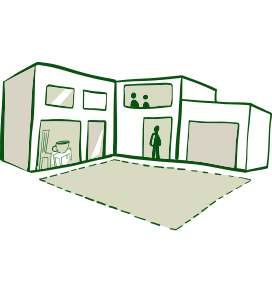
Community spaces
Workgroups
Workgroups are a core part of how we run Traveling Village. From TV1, TV2 and TV3, we have seen how well this works in practice, and we are now building further on it for TV4 and TV5.
Workgroups are one of the main ways to get involved, take real responsibility and help shape the village. It is where things actually happen.
Each workgroup consists of 3 to 6 people. This makes it possible to involve a broad mix of families and make sure different needs and perspectives are represented in the work that gets done.
We highly recommend that each adult is part of a workgroup.
Each workgroup has a lead. The role of the lead is to be the proactive person who gets things started, collects information, and acts as the main point of contact for the rest of the village.
The community budget is split between workgroups, so most groups have their own budget and are responsible for decisions within their area.
We start with a set of workgroups we know work well, including infrastructure, lodging, communal meals, finance, events, activities, and emergency and conflict. From there, the village can create more workgroups based on what is needed.
One of the big benefits is that workgroups reduce friction. If something does not feel right, the best option is often to join the workgroup and help shape it. That tends to lead to better outcomes than discussing things from the outside.
We try to structure workgroups around what people are naturally interested in and good at. This creates more ownership and energy, but it is still a balance we are learning and improving each time.
Workgroups are also one of the easiest ways to connect with others in the village. By taking part, you become part of creating the experience, not just joining it.
Over time, we have seen how much this approach can unlock. Workgroups are a big part of what makes the village actually work.
Community spaces
Workgroups
Workgroups are a core part of how we run Traveling Village. From TV1, TV2 and TV3, we have seen how well this works in practice, and we are now building further on it for TV4 and TV5.
Workgroups are one of the main ways to get involved, take real responsibility and help shape the village. It is where things actually happen.
Each workgroup consists of 3 to 6 people. This makes it possible to involve a broad mix of families and make sure different needs and perspectives are represented in the work that gets done.
We highly recommend that each adult is part of a workgroup.
Each workgroup has a lead. The role of the lead is to be the proactive person who gets things started, collects information, and acts as the main point of contact for the rest of the village.
The community budget is split between workgroups, so most groups have their own budget and are responsible for decisions within their area.
We start with a set of workgroups we know work well, including infrastructure, lodging, communal meals, finance, events, activities, and emergency and conflict. From there, the village can create more workgroups based on what is needed.
One of the big benefits is that workgroups reduce friction. If something does not feel right, the best option is often to join the workgroup and help shape it. That tends to lead to better outcomes than discussing things from the outside.
We try to structure workgroups around what people are naturally interested in and good at. This creates more ownership and energy, but it is still a balance we are learning and improving each time.
Workgroups are also one of the easiest ways to connect with others in the village. By taking part, you become part of creating the experience, not just joining it.
Over time, we have seen how much this approach can unlock. Workgroups are a big part of what makes the village actually work.

Local partners
Workgroups
Workgroups are a core part of how we run Traveling Village. From TV1, TV2 and TV3, we have seen how well this works in practice, and we are now building further on it for TV4 and TV5.
Workgroups are one of the main ways to get involved, take real responsibility and help shape the village. It is where things actually happen.
Each workgroup consists of 3 to 6 people. This makes it possible to involve a broad mix of families and make sure different needs and perspectives are represented in the work that gets done.
We highly recommend that each adult is part of a workgroup.
Each workgroup has a lead. The role of the lead is to be the proactive person who gets things started, collects information, and acts as the main point of contact for the rest of the village.
The community budget is split between workgroups, so most groups have their own budget and are responsible for decisions within their area.
We start with a set of workgroups we know work well, including infrastructure, lodging, communal meals, finance, events, activities, and emergency and conflict. From there, the village can create more workgroups based on what is needed.
One of the big benefits is that workgroups reduce friction. If something does not feel right, the best option is often to join the workgroup and help shape it. That tends to lead to better outcomes than discussing things from the outside.
We try to structure workgroups around what people are naturally interested in and good at. This creates more ownership and energy, but it is still a balance we are learning and improving each time.
Workgroups are also one of the easiest ways to connect with others in the village. By taking part, you become part of creating the experience, not just joining it.
Over time, we have seen how much this approach can unlock. Workgroups are a big part of what makes the village actually work.
Local partners
Workgroups
Workgroups are a core part of how we run Traveling Village. From TV1, TV2 and TV3, we have seen how well this works in practice, and we are now building further on it for TV4 and TV5.
Workgroups are one of the main ways to get involved, take real responsibility and help shape the village. It is where things actually happen.
Each workgroup consists of 3 to 6 people. This makes it possible to involve a broad mix of families and make sure different needs and perspectives are represented in the work that gets done.
We highly recommend that each adult is part of a workgroup.
Each workgroup has a lead. The role of the lead is to be the proactive person who gets things started, collects information, and acts as the main point of contact for the rest of the village.
The community budget is split between workgroups, so most groups have their own budget and are responsible for decisions within their area.
We start with a set of workgroups we know work well, including infrastructure, lodging, communal meals, finance, events, activities, and emergency and conflict. From there, the village can create more workgroups based on what is needed.
One of the big benefits is that workgroups reduce friction. If something does not feel right, the best option is often to join the workgroup and help shape it. That tends to lead to better outcomes than discussing things from the outside.
We try to structure workgroups around what people are naturally interested in and good at. This creates more ownership and energy, but it is still a balance we are learning and improving each time.
Workgroups are also one of the easiest ways to connect with others in the village. By taking part, you become part of creating the experience, not just joining it.
Over time, we have seen how much this approach can unlock. Workgroups are a big part of what makes the village actually work.

Kids involvement
Workgroups
Workgroups are a core part of how we run Traveling Village. From TV1, TV2 and TV3, we have seen how well this works in practice, and we are now building further on it for TV4 and TV5.
Workgroups are one of the main ways to get involved, take real responsibility and help shape the village. It is where things actually happen.
Each workgroup consists of 3 to 6 people. This makes it possible to involve a broad mix of families and make sure different needs and perspectives are represented in the work that gets done.
We highly recommend that each adult is part of a workgroup.
Each workgroup has a lead. The role of the lead is to be the proactive person who gets things started, collects information, and acts as the main point of contact for the rest of the village.
The community budget is split between workgroups, so most groups have their own budget and are responsible for decisions within their area.
We start with a set of workgroups we know work well, including infrastructure, lodging, communal meals, finance, events, activities, and emergency and conflict. From there, the village can create more workgroups based on what is needed.
One of the big benefits is that workgroups reduce friction. If something does not feel right, the best option is often to join the workgroup and help shape it. That tends to lead to better outcomes than discussing things from the outside.
We try to structure workgroups around what people are naturally interested in and good at. This creates more ownership and energy, but it is still a balance we are learning and improving each time.
Workgroups are also one of the easiest ways to connect with others in the village. By taking part, you become part of creating the experience, not just joining it.
Over time, we have seen how much this approach can unlock. Workgroups are a big part of what makes the village actually work.
Kids involvement
Workgroups
Workgroups are a core part of how we run Traveling Village. From TV1, TV2 and TV3, we have seen how well this works in practice, and we are now building further on it for TV4 and TV5.
Workgroups are one of the main ways to get involved, take real responsibility and help shape the village. It is where things actually happen.
Each workgroup consists of 3 to 6 people. This makes it possible to involve a broad mix of families and make sure different needs and perspectives are represented in the work that gets done.
We highly recommend that each adult is part of a workgroup.
Each workgroup has a lead. The role of the lead is to be the proactive person who gets things started, collects information, and acts as the main point of contact for the rest of the village.
The community budget is split between workgroups, so most groups have their own budget and are responsible for decisions within their area.
We start with a set of workgroups we know work well, including infrastructure, lodging, communal meals, finance, events, activities, and emergency and conflict. From there, the village can create more workgroups based on what is needed.
One of the big benefits is that workgroups reduce friction. If something does not feel right, the best option is often to join the workgroup and help shape it. That tends to lead to better outcomes than discussing things from the outside.
We try to structure workgroups around what people are naturally interested in and good at. This creates more ownership and energy, but it is still a balance we are learning and improving each time.
Workgroups are also one of the easiest ways to connect with others in the village. By taking part, you become part of creating the experience, not just joining it.
Over time, we have seen how much this approach can unlock. Workgroups are a big part of what makes the village actually work.

Books that inspired us
Workgroups
Workgroups are a core part of how we run Traveling Village. From TV1, TV2 and TV3, we have seen how well this works in practice, and we are now building further on it for TV4 and TV5.
Workgroups are one of the main ways to get involved, take real responsibility and help shape the village. It is where things actually happen.
Each workgroup consists of 3 to 6 people. This makes it possible to involve a broad mix of families and make sure different needs and perspectives are represented in the work that gets done.
We highly recommend that each adult is part of a workgroup.
Each workgroup has a lead. The role of the lead is to be the proactive person who gets things started, collects information, and acts as the main point of contact for the rest of the village.
The community budget is split between workgroups, so most groups have their own budget and are responsible for decisions within their area.
We start with a set of workgroups we know work well, including infrastructure, lodging, communal meals, finance, events, activities, and emergency and conflict. From there, the village can create more workgroups based on what is needed.
One of the big benefits is that workgroups reduce friction. If something does not feel right, the best option is often to join the workgroup and help shape it. That tends to lead to better outcomes than discussing things from the outside.
We try to structure workgroups around what people are naturally interested in and good at. This creates more ownership and energy, but it is still a balance we are learning and improving each time.
Workgroups are also one of the easiest ways to connect with others in the village. By taking part, you become part of creating the experience, not just joining it.
Over time, we have seen how much this approach can unlock. Workgroups are a big part of what makes the village actually work.
Books that inspired us
Workgroups
Workgroups are a core part of how we run Traveling Village. From TV1, TV2 and TV3, we have seen how well this works in practice, and we are now building further on it for TV4 and TV5.
Workgroups are one of the main ways to get involved, take real responsibility and help shape the village. It is where things actually happen.
Each workgroup consists of 3 to 6 people. This makes it possible to involve a broad mix of families and make sure different needs and perspectives are represented in the work that gets done.
We highly recommend that each adult is part of a workgroup.
Each workgroup has a lead. The role of the lead is to be the proactive person who gets things started, collects information, and acts as the main point of contact for the rest of the village.
The community budget is split between workgroups, so most groups have their own budget and are responsible for decisions within their area.
We start with a set of workgroups we know work well, including infrastructure, lodging, communal meals, finance, events, activities, and emergency and conflict. From there, the village can create more workgroups based on what is needed.
One of the big benefits is that workgroups reduce friction. If something does not feel right, the best option is often to join the workgroup and help shape it. That tends to lead to better outcomes than discussing things from the outside.
We try to structure workgroups around what people are naturally interested in and good at. This creates more ownership and energy, but it is still a balance we are learning and improving each time.
Workgroups are also one of the easiest ways to connect with others in the village. By taking part, you become part of creating the experience, not just joining it.
Over time, we have seen how much this approach can unlock. Workgroups are a big part of what makes the village actually work.
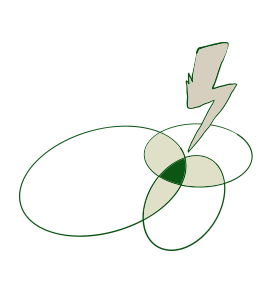
Conflict and emergencies
Workgroups
Workgroups are a core part of how we run Traveling Village. From TV1, TV2 and TV3, we have seen how well this works in practice, and we are now building further on it for TV4 and TV5.
Workgroups are one of the main ways to get involved, take real responsibility and help shape the village. It is where things actually happen.
Each workgroup consists of 3 to 6 people. This makes it possible to involve a broad mix of families and make sure different needs and perspectives are represented in the work that gets done.
We highly recommend that each adult is part of a workgroup.
Each workgroup has a lead. The role of the lead is to be the proactive person who gets things started, collects information, and acts as the main point of contact for the rest of the village.
The community budget is split between workgroups, so most groups have their own budget and are responsible for decisions within their area.
We start with a set of workgroups we know work well, including infrastructure, lodging, communal meals, finance, events, activities, and emergency and conflict. From there, the village can create more workgroups based on what is needed.
One of the big benefits is that workgroups reduce friction. If something does not feel right, the best option is often to join the workgroup and help shape it. That tends to lead to better outcomes than discussing things from the outside.
We try to structure workgroups around what people are naturally interested in and good at. This creates more ownership and energy, but it is still a balance we are learning and improving each time.
Workgroups are also one of the easiest ways to connect with others in the village. By taking part, you become part of creating the experience, not just joining it.
Over time, we have seen how much this approach can unlock. Workgroups are a big part of what makes the village actually work.
Conflict and emergencies
Workgroups
Workgroups are a core part of how we run Traveling Village. From TV1, TV2 and TV3, we have seen how well this works in practice, and we are now building further on it for TV4 and TV5.
Workgroups are one of the main ways to get involved, take real responsibility and help shape the village. It is where things actually happen.
Each workgroup consists of 3 to 6 people. This makes it possible to involve a broad mix of families and make sure different needs and perspectives are represented in the work that gets done.
We highly recommend that each adult is part of a workgroup.
Each workgroup has a lead. The role of the lead is to be the proactive person who gets things started, collects information, and acts as the main point of contact for the rest of the village.
The community budget is split between workgroups, so most groups have their own budget and are responsible for decisions within their area.
We start with a set of workgroups we know work well, including infrastructure, lodging, communal meals, finance, events, activities, and emergency and conflict. From there, the village can create more workgroups based on what is needed.
One of the big benefits is that workgroups reduce friction. If something does not feel right, the best option is often to join the workgroup and help shape it. That tends to lead to better outcomes than discussing things from the outside.
We try to structure workgroups around what people are naturally interested in and good at. This creates more ownership and energy, but it is still a balance we are learning and improving each time.
Workgroups are also one of the easiest ways to connect with others in the village. By taking part, you become part of creating the experience, not just joining it.
Over time, we have seen how much this approach can unlock. Workgroups are a big part of what makes the village actually work.
Marketing
Workgroups
Workgroups are a core part of how we run Traveling Village. From TV1, TV2 and TV3, we have seen how well this works in practice, and we are now building further on it for TV4 and TV5.
Workgroups are one of the main ways to get involved, take real responsibility and help shape the village. It is where things actually happen.
Each workgroup consists of 3 to 6 people. This makes it possible to involve a broad mix of families and make sure different needs and perspectives are represented in the work that gets done.
We highly recommend that each adult is part of a workgroup.
Each workgroup has a lead. The role of the lead is to be the proactive person who gets things started, collects information, and acts as the main point of contact for the rest of the village.
The community budget is split between workgroups, so most groups have their own budget and are responsible for decisions within their area.
We start with a set of workgroups we know work well, including infrastructure, lodging, communal meals, finance, events, activities, and emergency and conflict. From there, the village can create more workgroups based on what is needed.
One of the big benefits is that workgroups reduce friction. If something does not feel right, the best option is often to join the workgroup and help shape it. That tends to lead to better outcomes than discussing things from the outside.
We try to structure workgroups around what people are naturally interested in and good at. This creates more ownership and energy, but it is still a balance we are learning and improving each time.
Workgroups are also one of the easiest ways to connect with others in the village. By taking part, you become part of creating the experience, not just joining it.
Over time, we have seen how much this approach can unlock. Workgroups are a big part of what makes the village actually work.
Marketing
Workgroups
Workgroups are a core part of how we run Traveling Village. From TV1, TV2 and TV3, we have seen how well this works in practice, and we are now building further on it for TV4 and TV5.
Workgroups are one of the main ways to get involved, take real responsibility and help shape the village. It is where things actually happen.
Each workgroup consists of 3 to 6 people. This makes it possible to involve a broad mix of families and make sure different needs and perspectives are represented in the work that gets done.
We highly recommend that each adult is part of a workgroup.
Each workgroup has a lead. The role of the lead is to be the proactive person who gets things started, collects information, and acts as the main point of contact for the rest of the village.
The community budget is split between workgroups, so most groups have their own budget and are responsible for decisions within their area.
We start with a set of workgroups we know work well, including infrastructure, lodging, communal meals, finance, events, activities, and emergency and conflict. From there, the village can create more workgroups based on what is needed.
One of the big benefits is that workgroups reduce friction. If something does not feel right, the best option is often to join the workgroup and help shape it. That tends to lead to better outcomes than discussing things from the outside.
We try to structure workgroups around what people are naturally interested in and good at. This creates more ownership and energy, but it is still a balance we are learning and improving each time.
Workgroups are also one of the easiest ways to connect with others in the village. By taking part, you become part of creating the experience, not just joining it.
Over time, we have seen how much this approach can unlock. Workgroups are a big part of what makes the village actually work.

Why 20 families?
Workgroups
Workgroups are a core part of how we run Traveling Village. From TV1, TV2 and TV3, we have seen how well this works in practice, and we are now building further on it for TV4 and TV5.
Workgroups are one of the main ways to get involved, take real responsibility and help shape the village. It is where things actually happen.
Each workgroup consists of 3 to 6 people. This makes it possible to involve a broad mix of families and make sure different needs and perspectives are represented in the work that gets done.
We highly recommend that each adult is part of a workgroup.
Each workgroup has a lead. The role of the lead is to be the proactive person who gets things started, collects information, and acts as the main point of contact for the rest of the village.
The community budget is split between workgroups, so most groups have their own budget and are responsible for decisions within their area.
We start with a set of workgroups we know work well, including infrastructure, lodging, communal meals, finance, events, activities, and emergency and conflict. From there, the village can create more workgroups based on what is needed.
One of the big benefits is that workgroups reduce friction. If something does not feel right, the best option is often to join the workgroup and help shape it. That tends to lead to better outcomes than discussing things from the outside.
We try to structure workgroups around what people are naturally interested in and good at. This creates more ownership and energy, but it is still a balance we are learning and improving each time.
Workgroups are also one of the easiest ways to connect with others in the village. By taking part, you become part of creating the experience, not just joining it.
Over time, we have seen how much this approach can unlock. Workgroups are a big part of what makes the village actually work.
Why 20 families?
Workgroups
Workgroups are a core part of how we run Traveling Village. From TV1, TV2 and TV3, we have seen how well this works in practice, and we are now building further on it for TV4 and TV5.
Workgroups are one of the main ways to get involved, take real responsibility and help shape the village. It is where things actually happen.
Each workgroup consists of 3 to 6 people. This makes it possible to involve a broad mix of families and make sure different needs and perspectives are represented in the work that gets done.
We highly recommend that each adult is part of a workgroup.
Each workgroup has a lead. The role of the lead is to be the proactive person who gets things started, collects information, and acts as the main point of contact for the rest of the village.
The community budget is split between workgroups, so most groups have their own budget and are responsible for decisions within their area.
We start with a set of workgroups we know work well, including infrastructure, lodging, communal meals, finance, events, activities, and emergency and conflict. From there, the village can create more workgroups based on what is needed.
One of the big benefits is that workgroups reduce friction. If something does not feel right, the best option is often to join the workgroup and help shape it. That tends to lead to better outcomes than discussing things from the outside.
We try to structure workgroups around what people are naturally interested in and good at. This creates more ownership and energy, but it is still a balance we are learning and improving each time.
Workgroups are also one of the easiest ways to connect with others in the village. By taking part, you become part of creating the experience, not just joining it.
Over time, we have seen how much this approach can unlock. Workgroups are a big part of what makes the village actually work.

Communal funds
Workgroups
Workgroups are a core part of how we run Traveling Village. From TV1, TV2 and TV3, we have seen how well this works in practice, and we are now building further on it for TV4 and TV5.
Workgroups are one of the main ways to get involved, take real responsibility and help shape the village. It is where things actually happen.
Each workgroup consists of 3 to 6 people. This makes it possible to involve a broad mix of families and make sure different needs and perspectives are represented in the work that gets done.
We highly recommend that each adult is part of a workgroup.
Each workgroup has a lead. The role of the lead is to be the proactive person who gets things started, collects information, and acts as the main point of contact for the rest of the village.
The community budget is split between workgroups, so most groups have their own budget and are responsible for decisions within their area.
We start with a set of workgroups we know work well, including infrastructure, lodging, communal meals, finance, events, activities, and emergency and conflict. From there, the village can create more workgroups based on what is needed.
One of the big benefits is that workgroups reduce friction. If something does not feel right, the best option is often to join the workgroup and help shape it. That tends to lead to better outcomes than discussing things from the outside.
We try to structure workgroups around what people are naturally interested in and good at. This creates more ownership and energy, but it is still a balance we are learning and improving each time.
Workgroups are also one of the easiest ways to connect with others in the village. By taking part, you become part of creating the experience, not just joining it.
Over time, we have seen how much this approach can unlock. Workgroups are a big part of what makes the village actually work.
Communal funds
Workgroups
Workgroups are a core part of how we run Traveling Village. From TV1, TV2 and TV3, we have seen how well this works in practice, and we are now building further on it for TV4 and TV5.
Workgroups are one of the main ways to get involved, take real responsibility and help shape the village. It is where things actually happen.
Each workgroup consists of 3 to 6 people. This makes it possible to involve a broad mix of families and make sure different needs and perspectives are represented in the work that gets done.
We highly recommend that each adult is part of a workgroup.
Each workgroup has a lead. The role of the lead is to be the proactive person who gets things started, collects information, and acts as the main point of contact for the rest of the village.
The community budget is split between workgroups, so most groups have their own budget and are responsible for decisions within their area.
We start with a set of workgroups we know work well, including infrastructure, lodging, communal meals, finance, events, activities, and emergency and conflict. From there, the village can create more workgroups based on what is needed.
One of the big benefits is that workgroups reduce friction. If something does not feel right, the best option is often to join the workgroup and help shape it. That tends to lead to better outcomes than discussing things from the outside.
We try to structure workgroups around what people are naturally interested in and good at. This creates more ownership and energy, but it is still a balance we are learning and improving each time.
Workgroups are also one of the easiest ways to connect with others in the village. By taking part, you become part of creating the experience, not just joining it.
Over time, we have seen how much this approach can unlock. Workgroups are a big part of what makes the village actually work.

The ONE doc
Workgroups
Workgroups are a core part of how we run Traveling Village. From TV1, TV2 and TV3, we have seen how well this works in practice, and we are now building further on it for TV4 and TV5.
Workgroups are one of the main ways to get involved, take real responsibility and help shape the village. It is where things actually happen.
Each workgroup consists of 3 to 6 people. This makes it possible to involve a broad mix of families and make sure different needs and perspectives are represented in the work that gets done.
We highly recommend that each adult is part of a workgroup.
Each workgroup has a lead. The role of the lead is to be the proactive person who gets things started, collects information, and acts as the main point of contact for the rest of the village.
The community budget is split between workgroups, so most groups have their own budget and are responsible for decisions within their area.
We start with a set of workgroups we know work well, including infrastructure, lodging, communal meals, finance, events, activities, and emergency and conflict. From there, the village can create more workgroups based on what is needed.
One of the big benefits is that workgroups reduce friction. If something does not feel right, the best option is often to join the workgroup and help shape it. That tends to lead to better outcomes than discussing things from the outside.
We try to structure workgroups around what people are naturally interested in and good at. This creates more ownership and energy, but it is still a balance we are learning and improving each time.
Workgroups are also one of the easiest ways to connect with others in the village. By taking part, you become part of creating the experience, not just joining it.
Over time, we have seen how much this approach can unlock. Workgroups are a big part of what makes the village actually work.
The ONE doc
Workgroups
Workgroups are a core part of how we run Traveling Village. From TV1, TV2 and TV3, we have seen how well this works in practice, and we are now building further on it for TV4 and TV5.
Workgroups are one of the main ways to get involved, take real responsibility and help shape the village. It is where things actually happen.
Each workgroup consists of 3 to 6 people. This makes it possible to involve a broad mix of families and make sure different needs and perspectives are represented in the work that gets done.
We highly recommend that each adult is part of a workgroup.
Each workgroup has a lead. The role of the lead is to be the proactive person who gets things started, collects information, and acts as the main point of contact for the rest of the village.
The community budget is split between workgroups, so most groups have their own budget and are responsible for decisions within their area.
We start with a set of workgroups we know work well, including infrastructure, lodging, communal meals, finance, events, activities, and emergency and conflict. From there, the village can create more workgroups based on what is needed.
One of the big benefits is that workgroups reduce friction. If something does not feel right, the best option is often to join the workgroup and help shape it. That tends to lead to better outcomes than discussing things from the outside.
We try to structure workgroups around what people are naturally interested in and good at. This creates more ownership and energy, but it is still a balance we are learning and improving each time.
Workgroups are also one of the easiest ways to connect with others in the village. By taking part, you become part of creating the experience, not just joining it.
Over time, we have seen how much this approach can unlock. Workgroups are a big part of what makes the village actually work.
The ONE doc
Workgroups
Workgroups are a core part of how we run Traveling Village. From TV1, TV2 and TV3, we have seen how well this works in practice, and we are now building further on it for TV4 and TV5.
Workgroups are one of the main ways to get involved, take real responsibility and help shape the village. It is where things actually happen.
Each workgroup consists of 3 to 6 people. This makes it possible to involve a broad mix of families and make sure different needs and perspectives are represented in the work that gets done.
We highly recommend that each adult is part of a workgroup.
Each workgroup has a lead. The role of the lead is to be the proactive person who gets things started, collects information, and acts as the main point of contact for the rest of the village.
The community budget is split between workgroups, so most groups have their own budget and are responsible for decisions within their area.
We start with a set of workgroups we know work well, including infrastructure, lodging, communal meals, finance, events, activities, and emergency and conflict. From there, the village can create more workgroups based on what is needed.
One of the big benefits is that workgroups reduce friction. If something does not feel right, the best option is often to join the workgroup and help shape it. That tends to lead to better outcomes than discussing things from the outside.
We try to structure workgroups around what people are naturally interested in and good at. This creates more ownership and energy, but it is still a balance we are learning and improving each time.
Workgroups are also one of the easiest ways to connect with others in the village. By taking part, you become part of creating the experience, not just joining it.
Over time, we have seen how much this approach can unlock. Workgroups are a big part of what makes the village actually work.

Not just easy
Workgroups
Workgroups are a core part of how we run Traveling Village. From TV1, TV2 and TV3, we have seen how well this works in practice, and we are now building further on it for TV4 and TV5.
Workgroups are one of the main ways to get involved, take real responsibility and help shape the village. It is where things actually happen.
Each workgroup consists of 3 to 6 people. This makes it possible to involve a broad mix of families and make sure different needs and perspectives are represented in the work that gets done.
We highly recommend that each adult is part of a workgroup.
Each workgroup has a lead. The role of the lead is to be the proactive person who gets things started, collects information, and acts as the main point of contact for the rest of the village.
The community budget is split between workgroups, so most groups have their own budget and are responsible for decisions within their area.
We start with a set of workgroups we know work well, including infrastructure, lodging, communal meals, finance, events, activities, and emergency and conflict. From there, the village can create more workgroups based on what is needed.
One of the big benefits is that workgroups reduce friction. If something does not feel right, the best option is often to join the workgroup and help shape it. That tends to lead to better outcomes than discussing things from the outside.
We try to structure workgroups around what people are naturally interested in and good at. This creates more ownership and energy, but it is still a balance we are learning and improving each time.
Workgroups are also one of the easiest ways to connect with others in the village. By taking part, you become part of creating the experience, not just joining it.
Over time, we have seen how much this approach can unlock. Workgroups are a big part of what makes the village actually work.
Not just easy
Workgroups
Workgroups are a core part of how we run Traveling Village. From TV1, TV2 and TV3, we have seen how well this works in practice, and we are now building further on it for TV4 and TV5.
Workgroups are one of the main ways to get involved, take real responsibility and help shape the village. It is where things actually happen.
Each workgroup consists of 3 to 6 people. This makes it possible to involve a broad mix of families and make sure different needs and perspectives are represented in the work that gets done.
We highly recommend that each adult is part of a workgroup.
Each workgroup has a lead. The role of the lead is to be the proactive person who gets things started, collects information, and acts as the main point of contact for the rest of the village.
The community budget is split between workgroups, so most groups have their own budget and are responsible for decisions within their area.
We start with a set of workgroups we know work well, including infrastructure, lodging, communal meals, finance, events, activities, and emergency and conflict. From there, the village can create more workgroups based on what is needed.
One of the big benefits is that workgroups reduce friction. If something does not feel right, the best option is often to join the workgroup and help shape it. That tends to lead to better outcomes than discussing things from the outside.
We try to structure workgroups around what people are naturally interested in and good at. This creates more ownership and energy, but it is still a balance we are learning and improving each time.
Workgroups are also one of the easiest ways to connect with others in the village. By taking part, you become part of creating the experience, not just joining it.
Over time, we have seen how much this approach can unlock. Workgroups are a big part of what makes the village actually work.
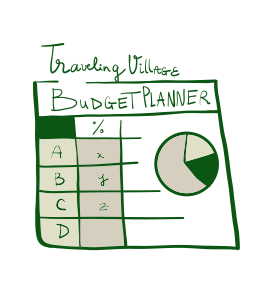
Budget planner
Workgroups
Workgroups are a core part of how we run Traveling Village. From TV1, TV2 and TV3, we have seen how well this works in practice, and we are now building further on it for TV4 and TV5.
Workgroups are one of the main ways to get involved, take real responsibility and help shape the village. It is where things actually happen.
Each workgroup consists of 3 to 6 people. This makes it possible to involve a broad mix of families and make sure different needs and perspectives are represented in the work that gets done.
We highly recommend that each adult is part of a workgroup.
Each workgroup has a lead. The role of the lead is to be the proactive person who gets things started, collects information, and acts as the main point of contact for the rest of the village.
The community budget is split between workgroups, so most groups have their own budget and are responsible for decisions within their area.
We start with a set of workgroups we know work well, including infrastructure, lodging, communal meals, finance, events, activities, and emergency and conflict. From there, the village can create more workgroups based on what is needed.
One of the big benefits is that workgroups reduce friction. If something does not feel right, the best option is often to join the workgroup and help shape it. That tends to lead to better outcomes than discussing things from the outside.
We try to structure workgroups around what people are naturally interested in and good at. This creates more ownership and energy, but it is still a balance we are learning and improving each time.
Workgroups are also one of the easiest ways to connect with others in the village. By taking part, you become part of creating the experience, not just joining it.
Over time, we have seen how much this approach can unlock. Workgroups are a big part of what makes the village actually work.
Budget planner
Workgroups
Workgroups are a core part of how we run Traveling Village. From TV1, TV2 and TV3, we have seen how well this works in practice, and we are now building further on it for TV4 and TV5.
Workgroups are one of the main ways to get involved, take real responsibility and help shape the village. It is where things actually happen.
Each workgroup consists of 3 to 6 people. This makes it possible to involve a broad mix of families and make sure different needs and perspectives are represented in the work that gets done.
We highly recommend that each adult is part of a workgroup.
Each workgroup has a lead. The role of the lead is to be the proactive person who gets things started, collects information, and acts as the main point of contact for the rest of the village.
The community budget is split between workgroups, so most groups have their own budget and are responsible for decisions within their area.
We start with a set of workgroups we know work well, including infrastructure, lodging, communal meals, finance, events, activities, and emergency and conflict. From there, the village can create more workgroups based on what is needed.
One of the big benefits is that workgroups reduce friction. If something does not feel right, the best option is often to join the workgroup and help shape it. That tends to lead to better outcomes than discussing things from the outside.
We try to structure workgroups around what people are naturally interested in and good at. This creates more ownership and energy, but it is still a balance we are learning and improving each time.
Workgroups are also one of the easiest ways to connect with others in the village. By taking part, you become part of creating the experience, not just joining it.
Over time, we have seen how much this approach can unlock. Workgroups are a big part of what makes the village actually work.
Budget planner
Workgroups
Workgroups are a core part of how we run Traveling Village. From TV1, TV2 and TV3, we have seen how well this works in practice, and we are now building further on it for TV4 and TV5.
Workgroups are one of the main ways to get involved, take real responsibility and help shape the village. It is where things actually happen.
Each workgroup consists of 3 to 6 people. This makes it possible to involve a broad mix of families and make sure different needs and perspectives are represented in the work that gets done.
We highly recommend that each adult is part of a workgroup.
Each workgroup has a lead. The role of the lead is to be the proactive person who gets things started, collects information, and acts as the main point of contact for the rest of the village.
The community budget is split between workgroups, so most groups have their own budget and are responsible for decisions within their area.
We start with a set of workgroups we know work well, including infrastructure, lodging, communal meals, finance, events, activities, and emergency and conflict. From there, the village can create more workgroups based on what is needed.
One of the big benefits is that workgroups reduce friction. If something does not feel right, the best option is often to join the workgroup and help shape it. That tends to lead to better outcomes than discussing things from the outside.
We try to structure workgroups around what people are naturally interested in and good at. This creates more ownership and energy, but it is still a balance we are learning and improving each time.
Workgroups are also one of the easiest ways to connect with others in the village. By taking part, you become part of creating the experience, not just joining it.
Over time, we have seen how much this approach can unlock. Workgroups are a big part of what makes the village actually work.
Be the first to know about village 4

Be the first to know about village 4
Made with ❤️, hot ️☕️ and crazy kids in the background by Nikolaj Astrup.
Also check out Revillage and Nomadschoolers.
Made with ❤️, hot ️☕️ and crazy kids in the background by Nikolaj Astrup.
Also check out Revillage and Nomadschoolers.
Made with ❤️, hot ️☕️ and crazy kids in the background by Nikolaj Astrup.
Also check out Revillage and Nomadschoolers.