Traveling Village
Campervan
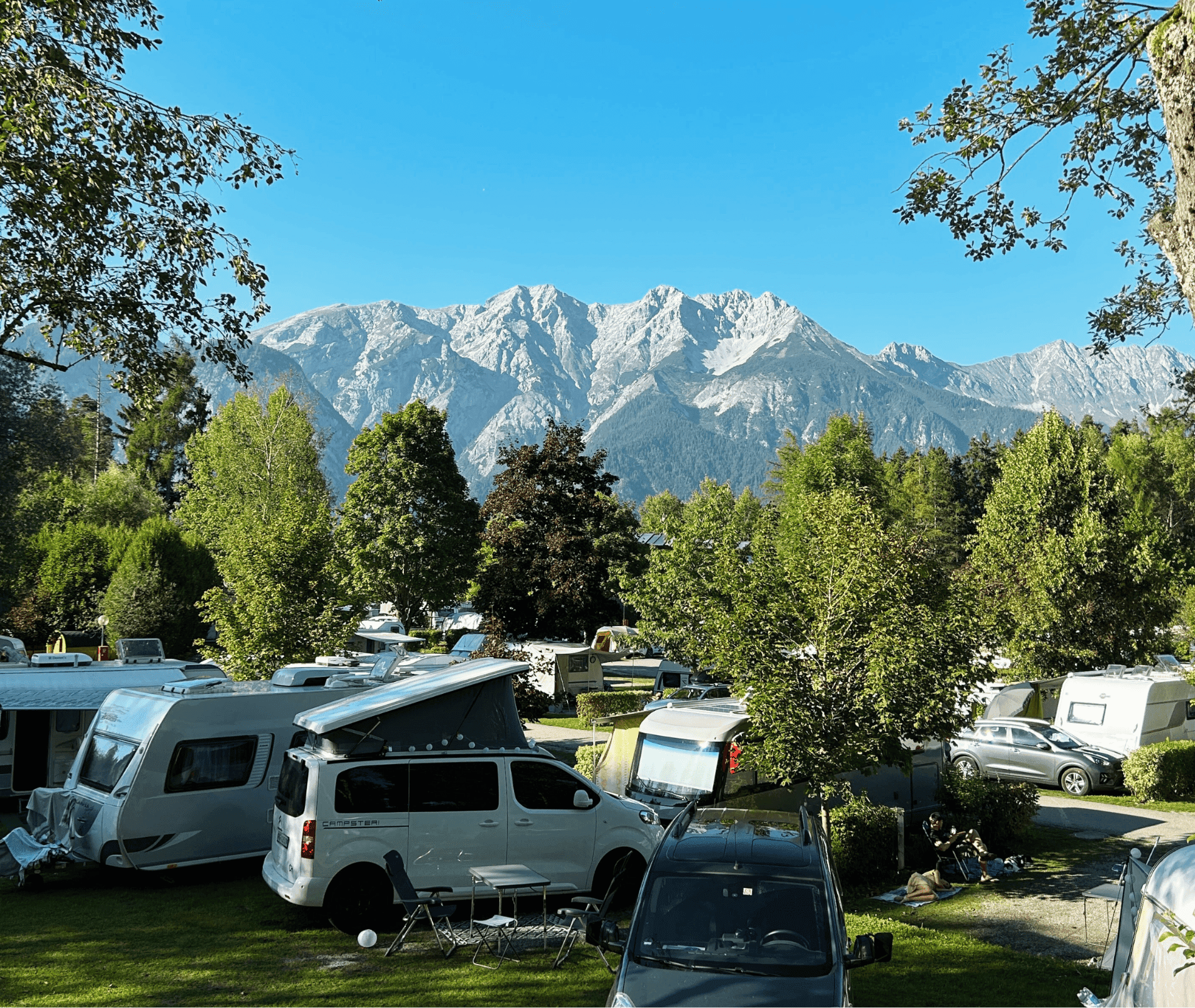
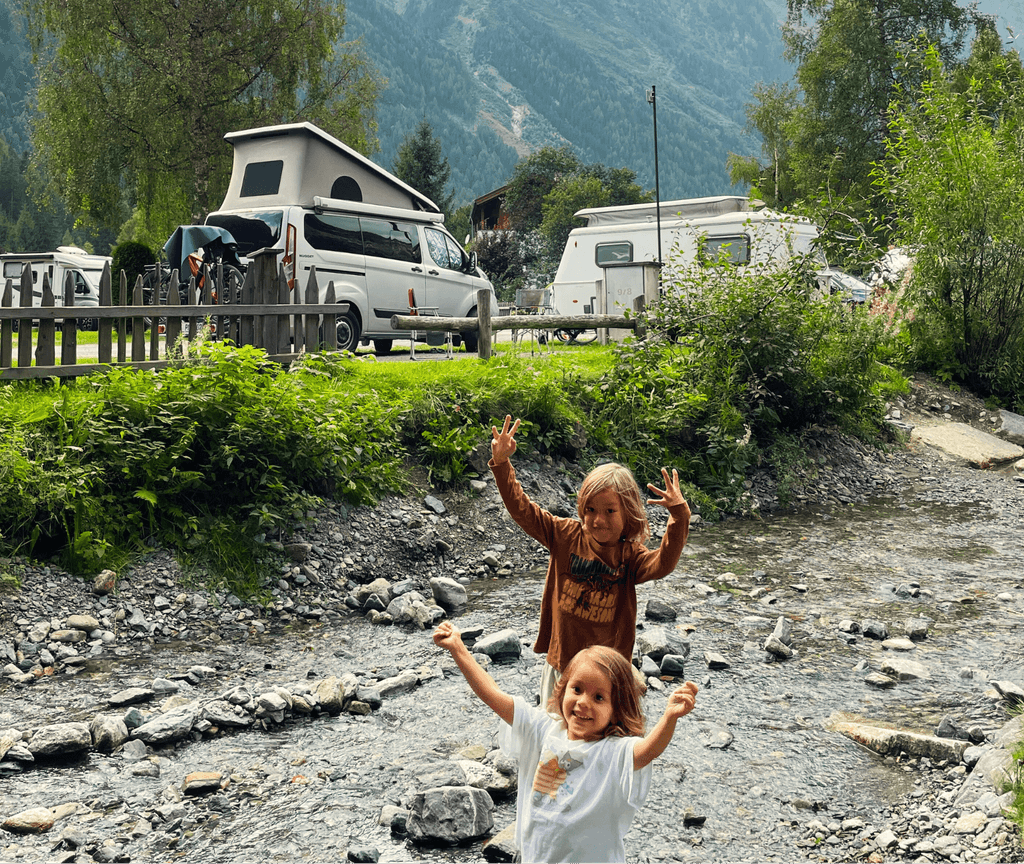
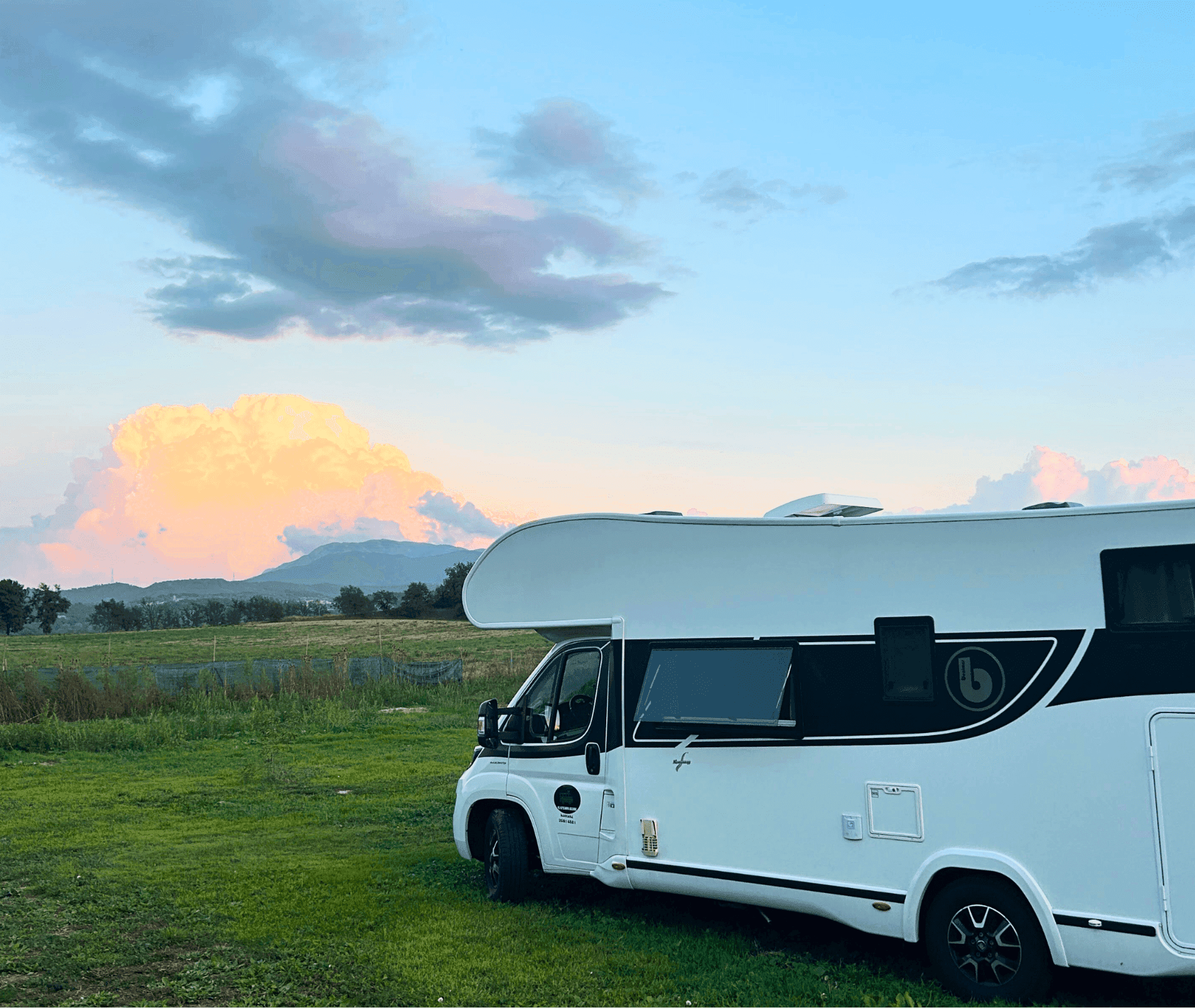
Village 2 is a new way to experience community. We’re creating a Traveling Village, where families move together in campervans, surrounded by nature. We are imagining a communal tent, being outside and using the world as a classroom
The journey starts in Europe, September 2025, with 15 families for 45 days.
We're now looking for other families to join us.
Our Story, Your Invitation
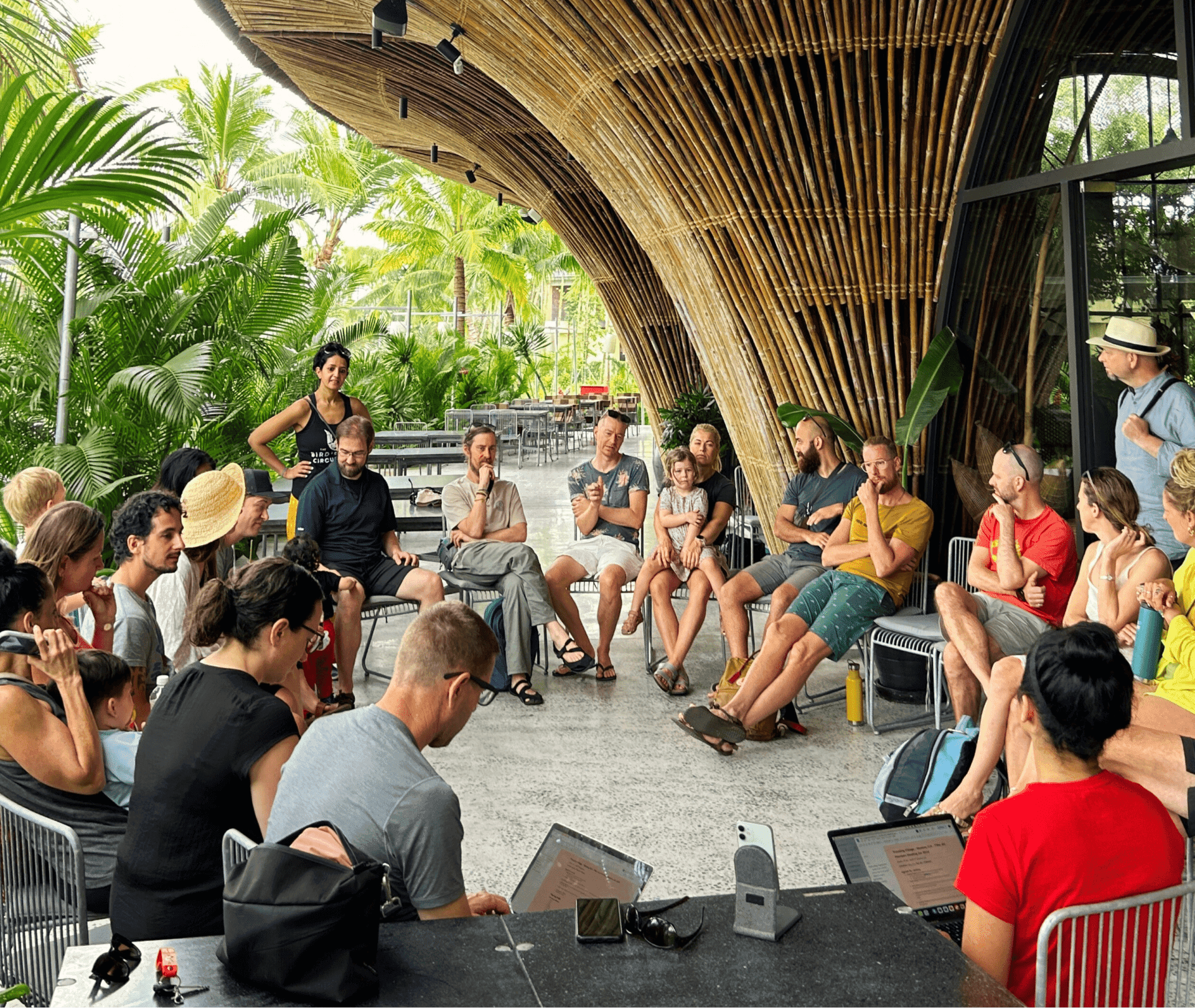
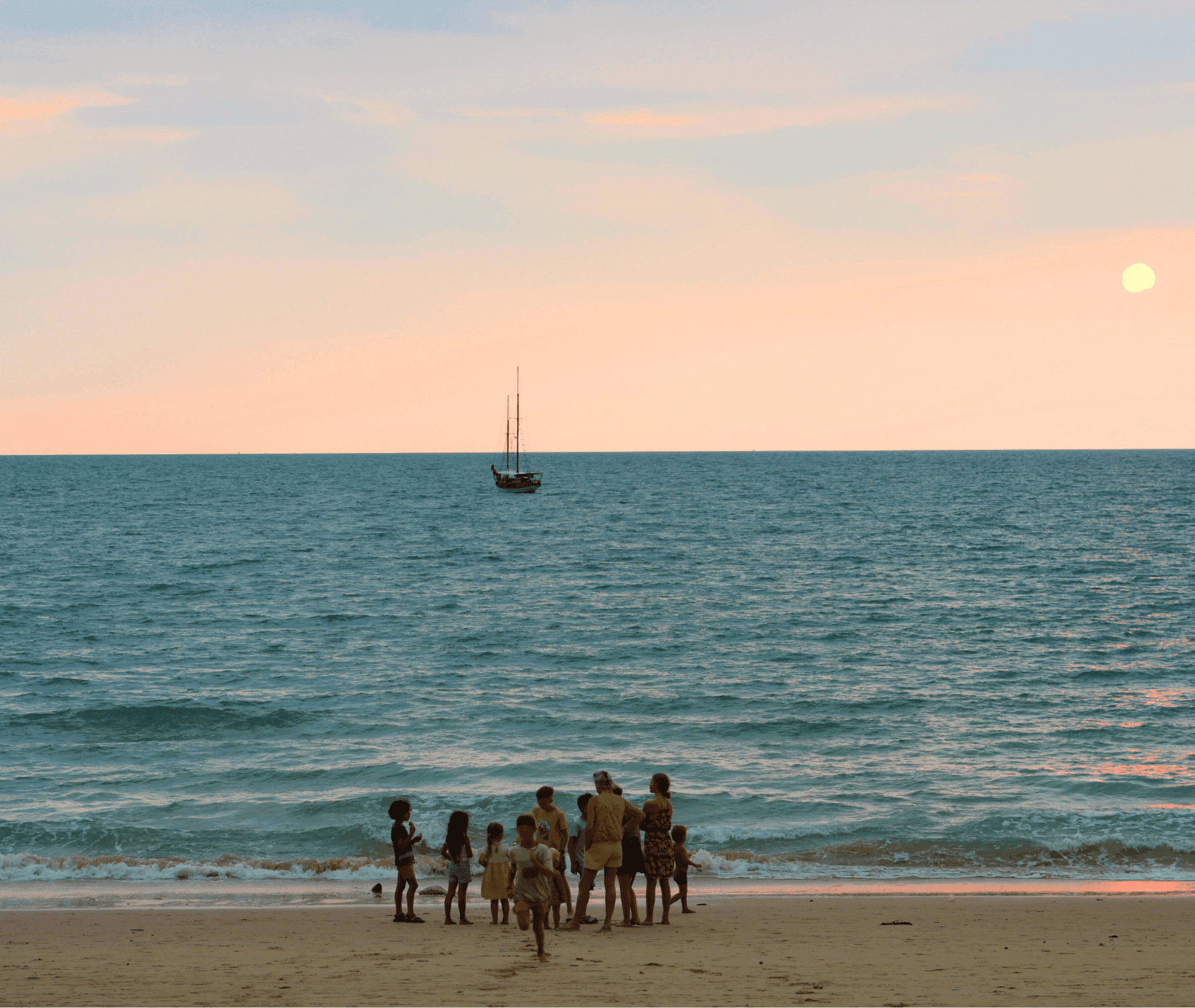
In 2022, we put our idea of creating a Traveling Village out in the World. What started as four “founding families” from different corners of the world soon became a reality. By early 2024, we were 19 families (70 people) traveling together across Asia for four incredible months.
Now, two of those founding families—American and Danish, both experienced in group travel and long-term family adventures—are continuing the experiment. After learning from Village 1 and completing two campervan research trips, we're ready to take the Traveling Village on the road.
This version will be different. With the community right outside your door, it will be intense, challenging, wild, and deeply rewarding. We’re staying true to our original philosophy: this is more than just a trip—it's a living experiment in community and intentional living.
Traveling Village welcomes all families, as well as individuals or couples without kids, who are interested in exploring alternative ways of living. Many of us are drawn to ideas like alternative education, such as home- or unschooling, and see the world as our classroom. Village 2 offers a space for anyone eager to experiment with new lifestyles, learn together, and build meaningful connections.
We’re ready to welcome new families into this journey. Together, we’ll shape the next chapter of the Traveling Village. We can’t wait to create this with you.
Warmly
Ani, Irene & Andy (🇺🇸)
Nikolaj, Iris, Kai & Michelle (🇩🇰)
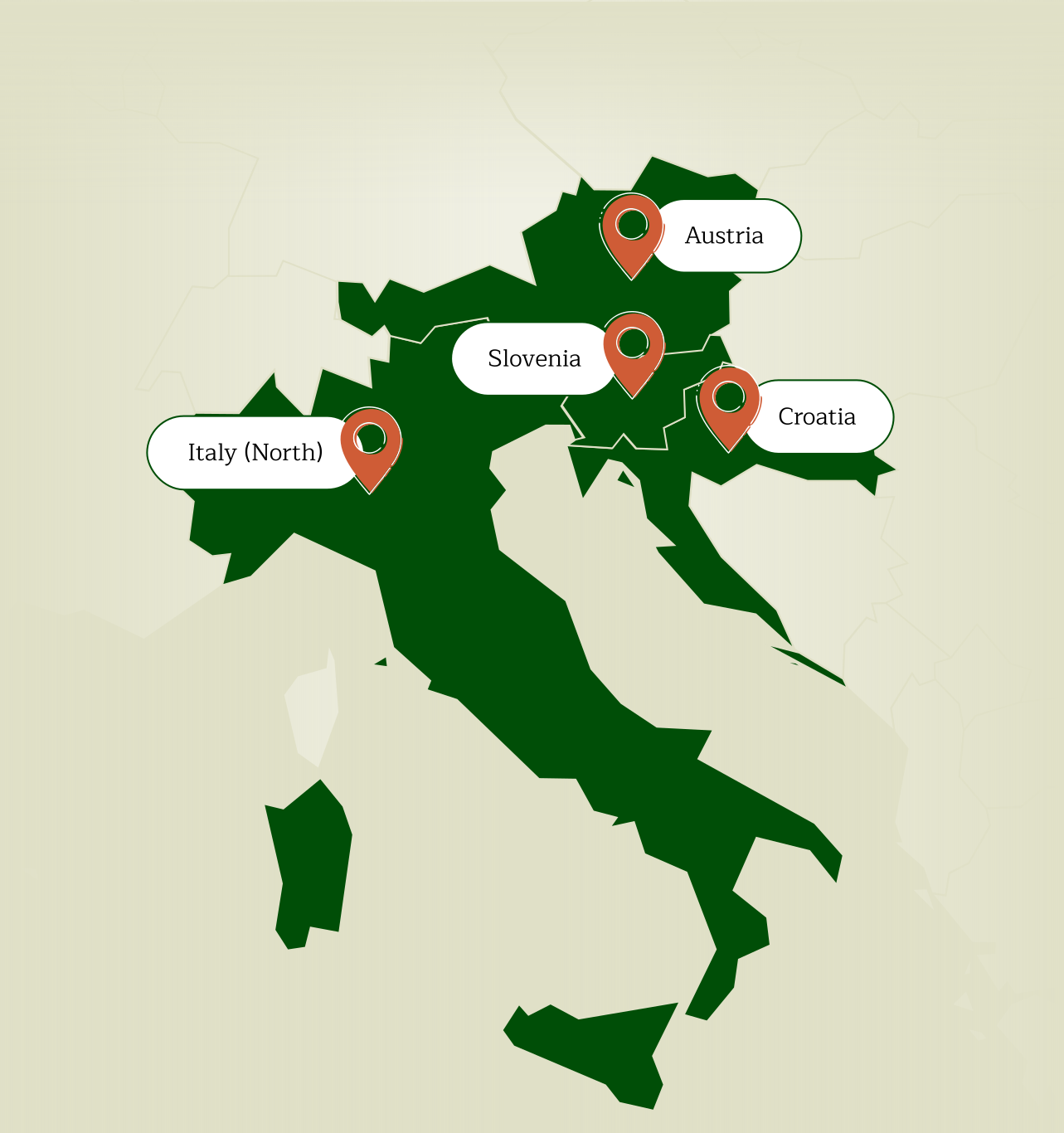
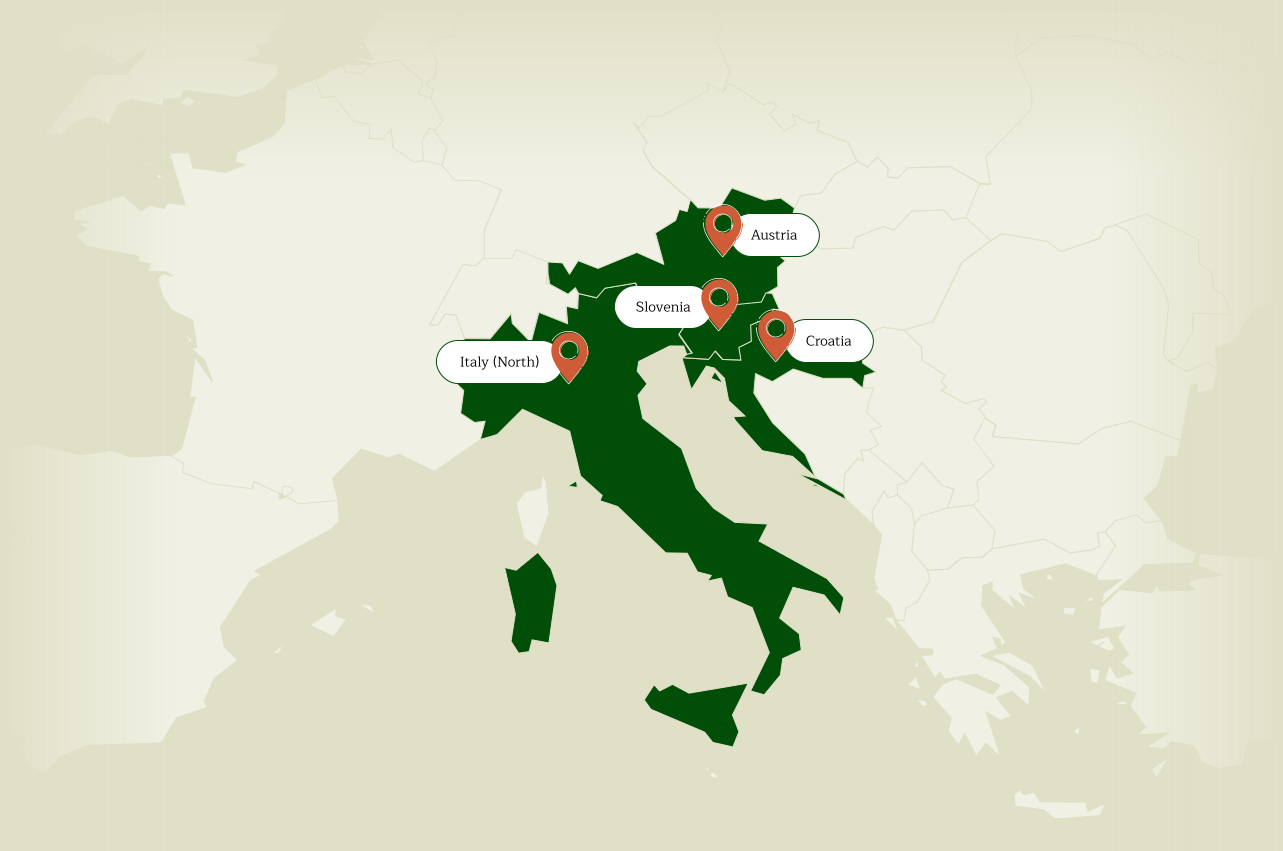
Route/map
The rough route of the campervan trip is Austria, Italy (north), Slovenia, Croatia.
Starting September 1st, 2025
Austria, Italy, Slovenia, Croatia
We’re expecting to be 55-60 people
We plan to stay 5 days at each campsite
Understanding the Costs
of Traveling Village
We want everyone to have a clear understanding of how the costs work, ensuring that everything is fair and open for all participants. Our approach keeps money from becoming a barrier to building a supportive community, while giving families the freedom to manage their own budgets.
Here’s the basic breakdown:
Individual Responsibility: Each family covers their own personal costs—things like renting a campervan, fuel, food, and anything else they need. This keeps things flexible for each family to decide how they want to travel.
Sign-up Fee: There is a one-time fee that goes directly toward running Traveling Village. It covers costs, helps with deposits and pays the founding families.
Communal Fund: We all contribute to a shared fund that supports communal activities and resources, enhancing the group experience.
By structuring it this way, we ensure a fair, transparent system that balances personal responsibility with community-driven contributions. Click on the below boxes to learn more.
Sign up fee
Workgroups
Workgroups are a core part of how we run Traveling Village. From TV1, TV2 and TV3, we have seen how well this works in practice, and we are now building further on it for TV4 and TV5.
Workgroups are one of the main ways to get involved, take real responsibility and help shape the village. It is where things actually happen.
Each workgroup consists of 3 to 6 people. This makes it possible to involve a broad mix of families and make sure different needs and perspectives are represented in the work that gets done.
We highly recommend that each adult is part of a workgroup.
Each workgroup has a lead. The role of the lead is to be the proactive person who gets things started, collects information, and acts as the main point of contact for the rest of the village.
The community budget is split between workgroups, so most groups have their own budget and are responsible for decisions within their area.
We start with a set of workgroups we know work well, including infrastructure, lodging, communal meals, finance, events, activities, and emergency and conflict. From there, the village can create more workgroups based on what is needed.
One of the big benefits is that workgroups reduce friction. If something does not feel right, the best option is often to join the workgroup and help shape it. That tends to lead to better outcomes than discussing things from the outside.
We try to structure workgroups around what people are naturally interested in and good at. This creates more ownership and energy, but it is still a balance we are learning and improving each time.
Workgroups are also one of the easiest ways to connect with others in the village. By taking part, you become part of creating the experience, not just joining it.
Over time, we have seen how much this approach can unlock. Workgroups are a big part of what makes the village actually work.

Budget planner
Workgroups
Workgroups are a core part of how we run Traveling Village. From TV1, TV2 and TV3, we have seen how well this works in practice, and we are now building further on it for TV4 and TV5.
Workgroups are one of the main ways to get involved, take real responsibility and help shape the village. It is where things actually happen.
Each workgroup consists of 3 to 6 people. This makes it possible to involve a broad mix of families and make sure different needs and perspectives are represented in the work that gets done.
We highly recommend that each adult is part of a workgroup.
Each workgroup has a lead. The role of the lead is to be the proactive person who gets things started, collects information, and acts as the main point of contact for the rest of the village.
The community budget is split between workgroups, so most groups have their own budget and are responsible for decisions within their area.
We start with a set of workgroups we know work well, including infrastructure, lodging, communal meals, finance, events, activities, and emergency and conflict. From there, the village can create more workgroups based on what is needed.
One of the big benefits is that workgroups reduce friction. If something does not feel right, the best option is often to join the workgroup and help shape it. That tends to lead to better outcomes than discussing things from the outside.
We try to structure workgroups around what people are naturally interested in and good at. This creates more ownership and energy, but it is still a balance we are learning and improving each time.
Workgroups are also one of the easiest ways to connect with others in the village. By taking part, you become part of creating the experience, not just joining it.
Over time, we have seen how much this approach can unlock. Workgroups are a big part of what makes the village actually work.
Meet the founding families
The two founding families were also part of the founding family group in village one and we decided to continue to work on TV. Both families have extensive group travel planning experience. Get to know them here.
Nikolaj and Michelle
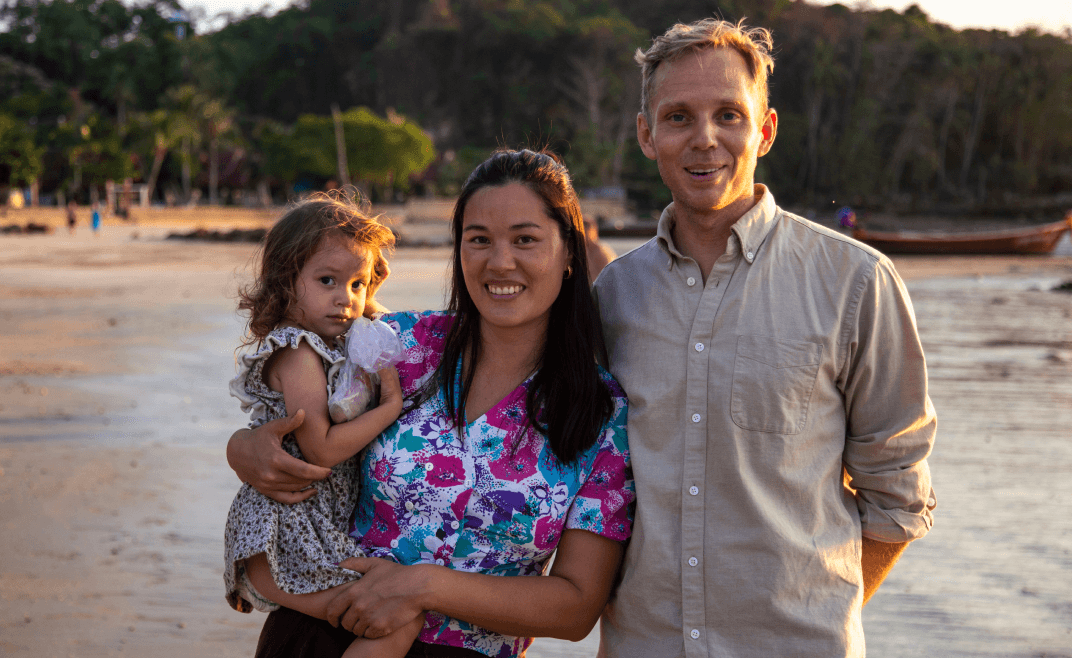
Michelle and Nikolaj traveled full-time before having kids, where the first thoughts on creating a traveling village started to form...
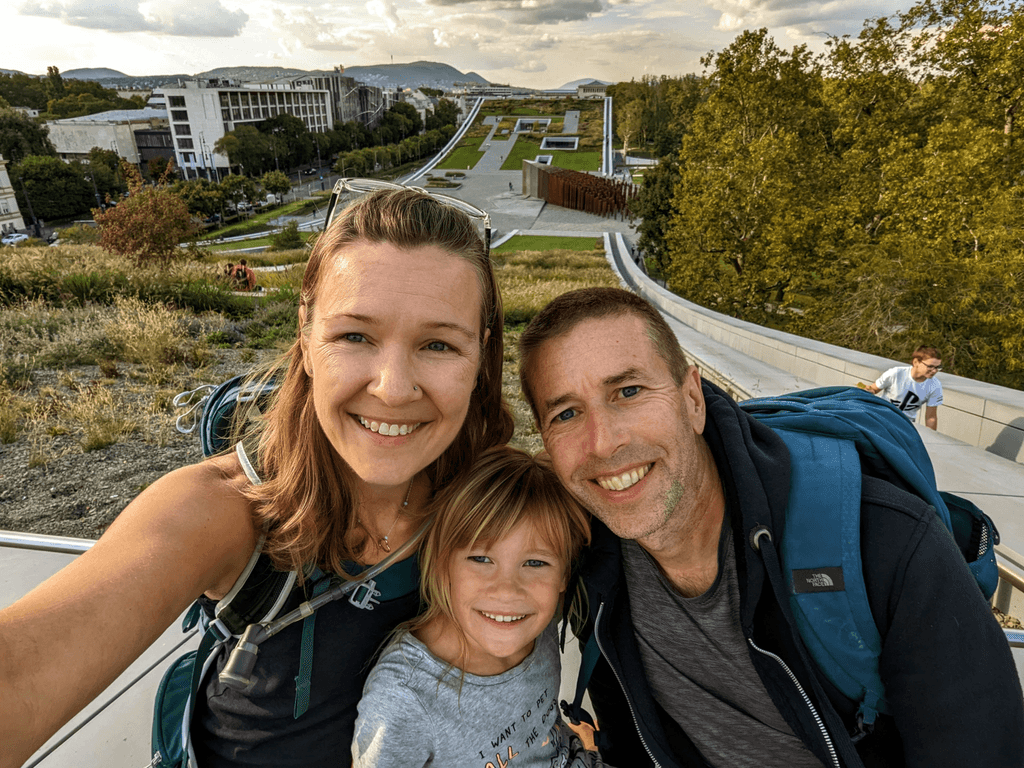
Andy and Irene
Andy, Ani, and Irene have been slow-traveling around the world since 2019, visiting a total of 28 countries. We find our favorite places…
The structure


The Campsites
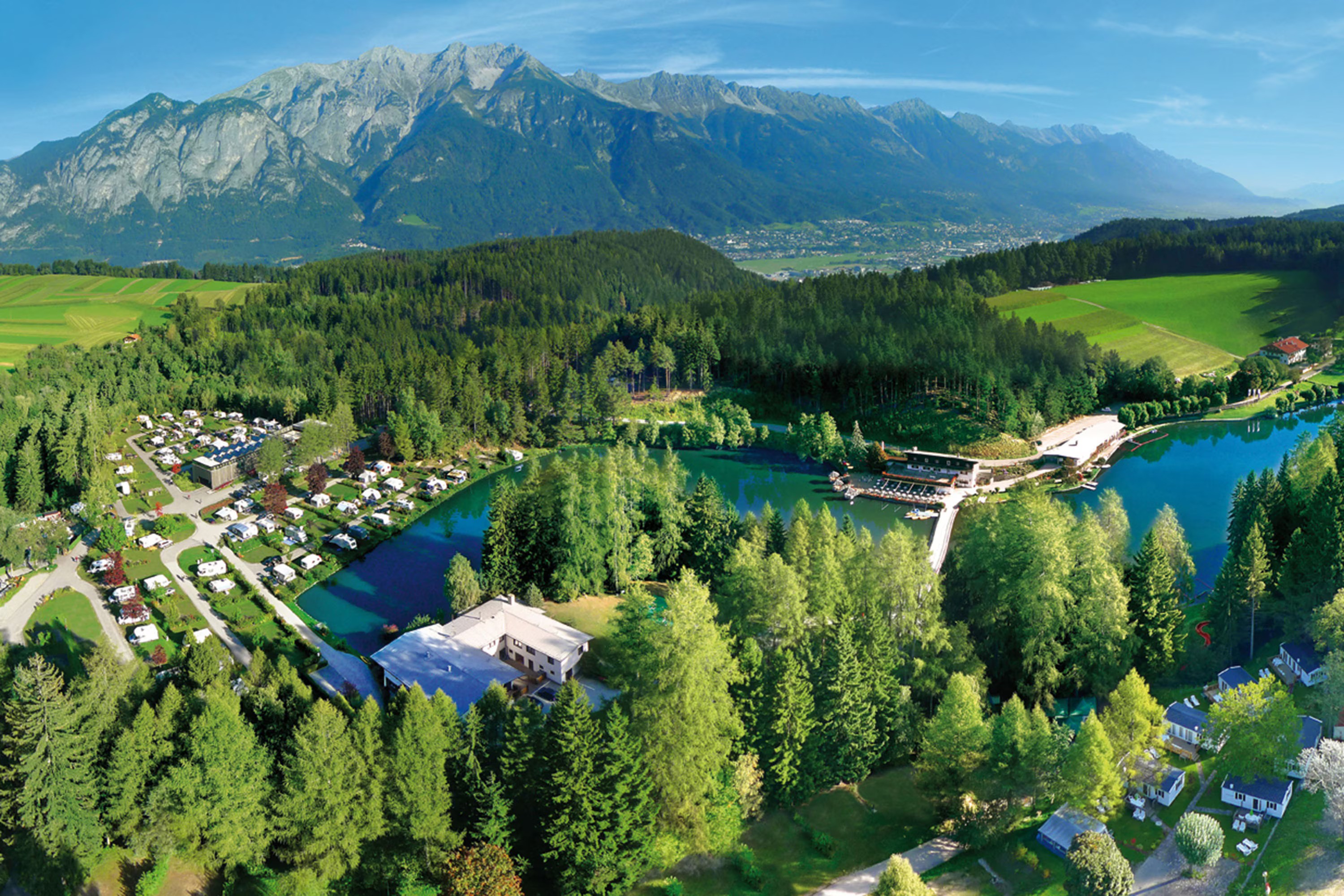
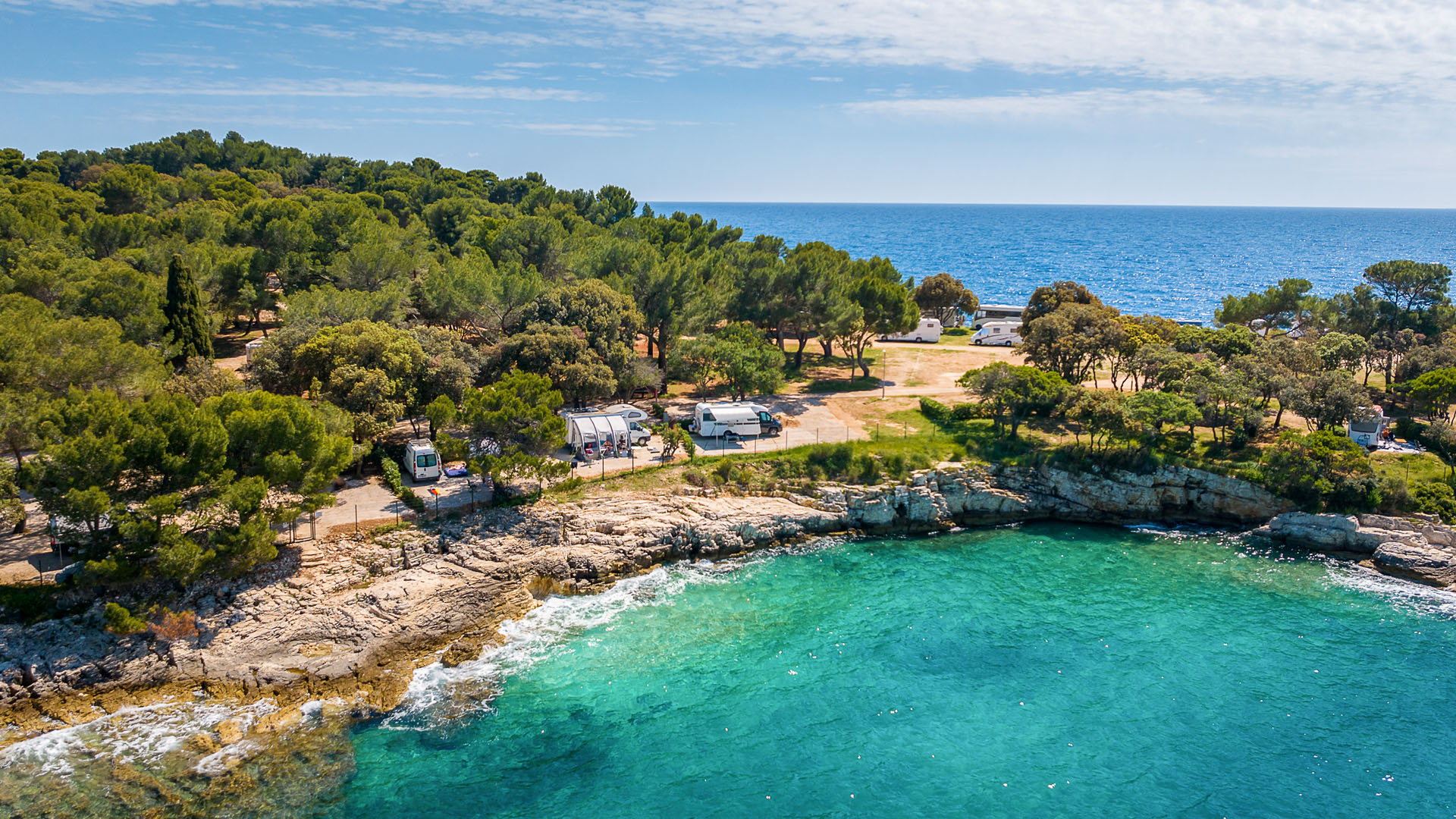
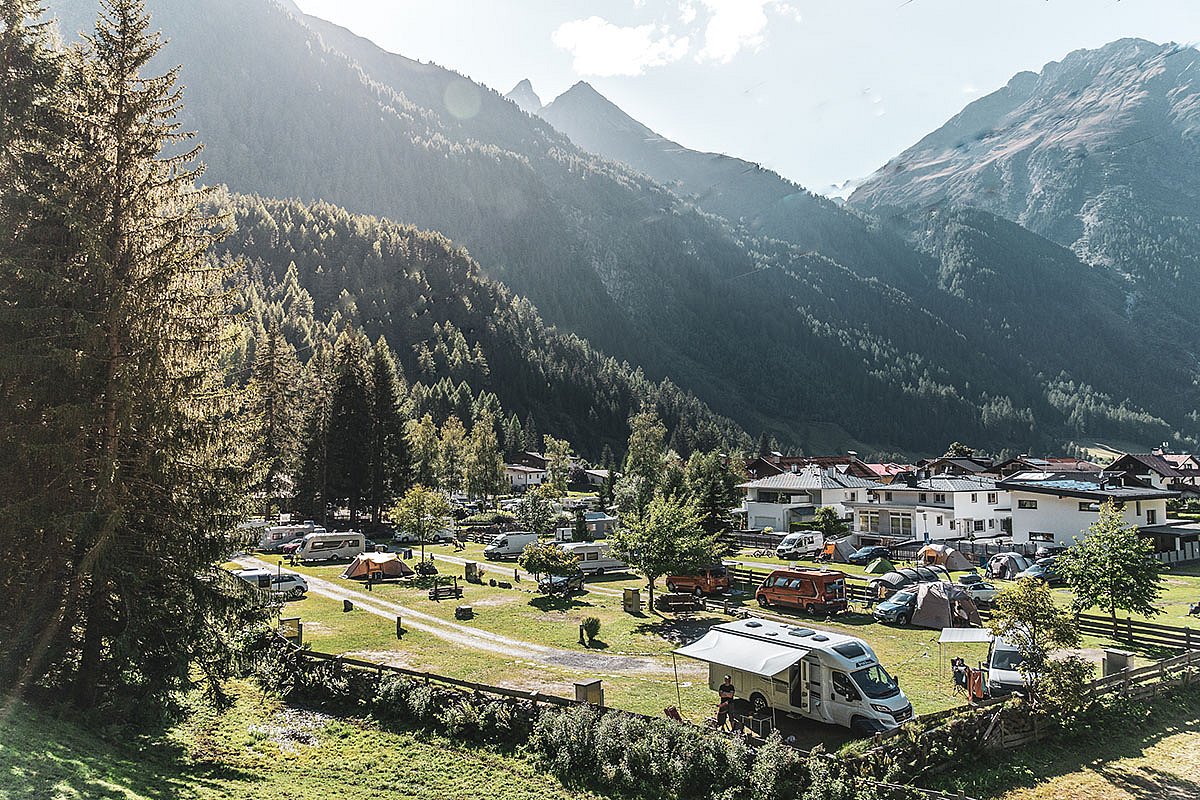
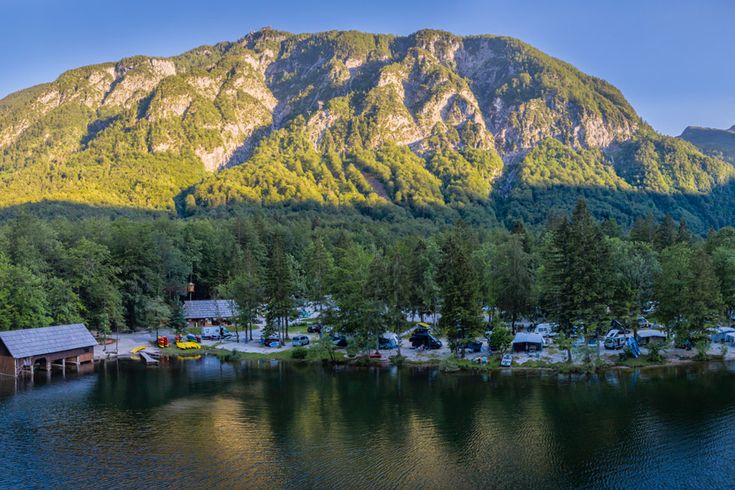
We’ve done two research trips around Europe and on the trip we will visit a mix of pre-visited and new campsites. We’re focusing on diverse locations—mountains, countryside, and near water—while balancing facilities and cost.
We want to work with local companies who are excited to host Traveling Village. Whenever possible, we aim to have our community gathered in a special area of the campsites. Village members are welcome to help with this ongoing work as we find the best spots together.
If you are interested, here are the next steps
Ready to sign up
If you are ready to show your interest in the trip, the next step is filling out a form. The form takes around 45-60 minutes and we ask that both partners do it together.
Interested, but not 100% ready to sign up
If you are not fully ready to start the onboarding process, sign up to our newsletter and follow the progress of making this experiment reality.
You’ll only receive one email per month