The story behind TV4
The next chapter of Traveling Village is in South America. After planning three different TVs, we are now using that experience to create TV4.
Choosing locations is always difficult, but we are genuinely excited about these two. Both have a rich culture and allow the village to live within walking distance of each other. You can read more about the locations further down the page, but in short, we have two places with spring-like weather, plenty of housing to make it easier for families, and lots to do. At the same time, they complement each other well. One is smaller and closer to nature, while the other is bigger, but still close to nature.
No TV without new experiments. This time, we are working with local fixers and planners from the start to support the village. We are also creating a local immersion WG that will focus on fun projects with the local community.
If you have followed TV for a while, you might wonder why this one is shorter. We have filled 4-month trips before, even with waiting lists, so why change it? There are a few reasons. One is that after speaking with hundreds of families, we know many great families cannot be away for that long.
More importantly, this is a step toward making Traveling Village a year-round project, with 3 to 4 “semesters” or villages each year. That is the long-term vision. We believe we are building a global community where families can join new villages while also reconnecting with people they already know.
We never let anyone sign up without a call. We sometimes call it a reverse sales meeting. It is a bit of a joke, but the idea is simple. We want to help families make the right decision for them, and that sometimes means asking a few hard questions. We are not trying to choose families. We are trying to bring together families who feel this is a clear hell yes.
That is also how we make decisions. It has to be a hell yes or no for our family, and TV4 is definitely a yes.
Best wishes,
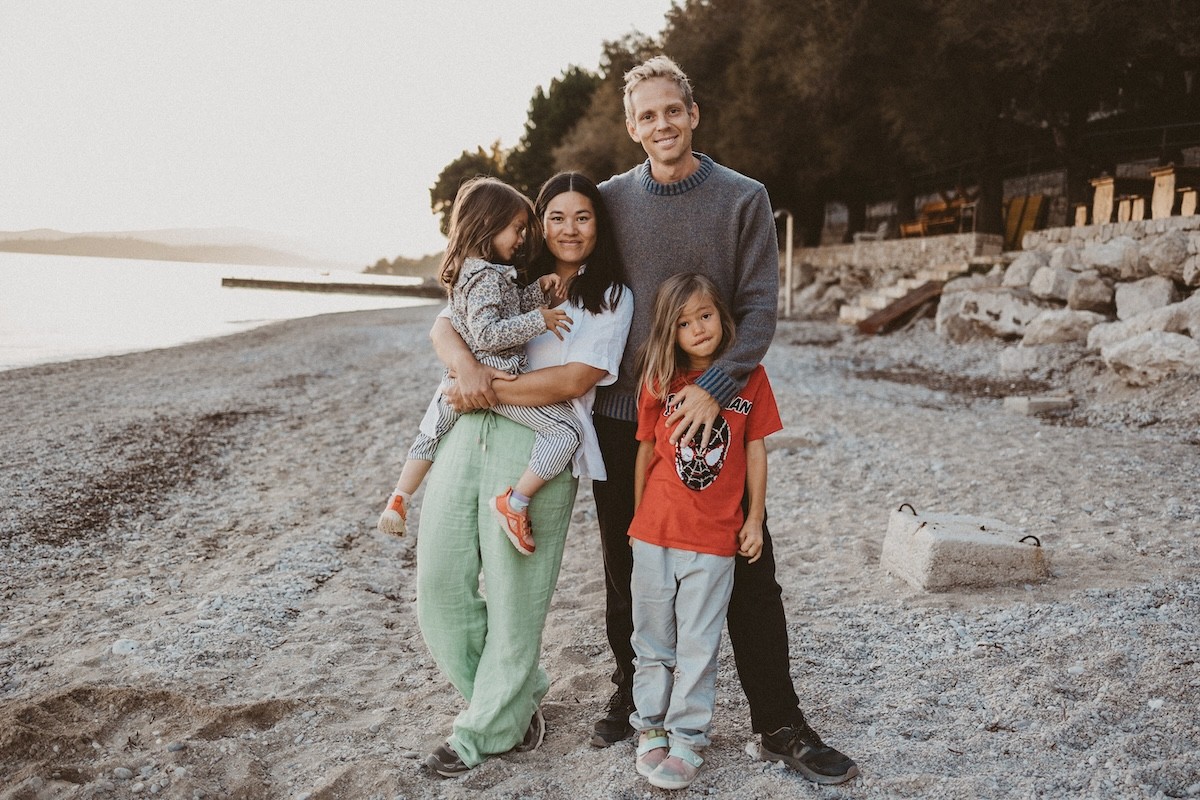
Iris, Kai, Michelle and Nikolaj
South America bound
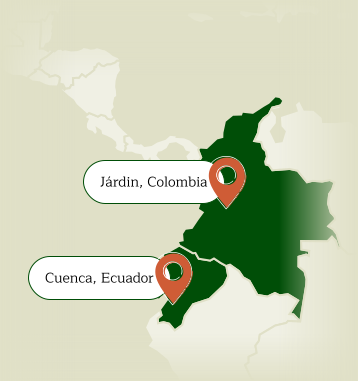
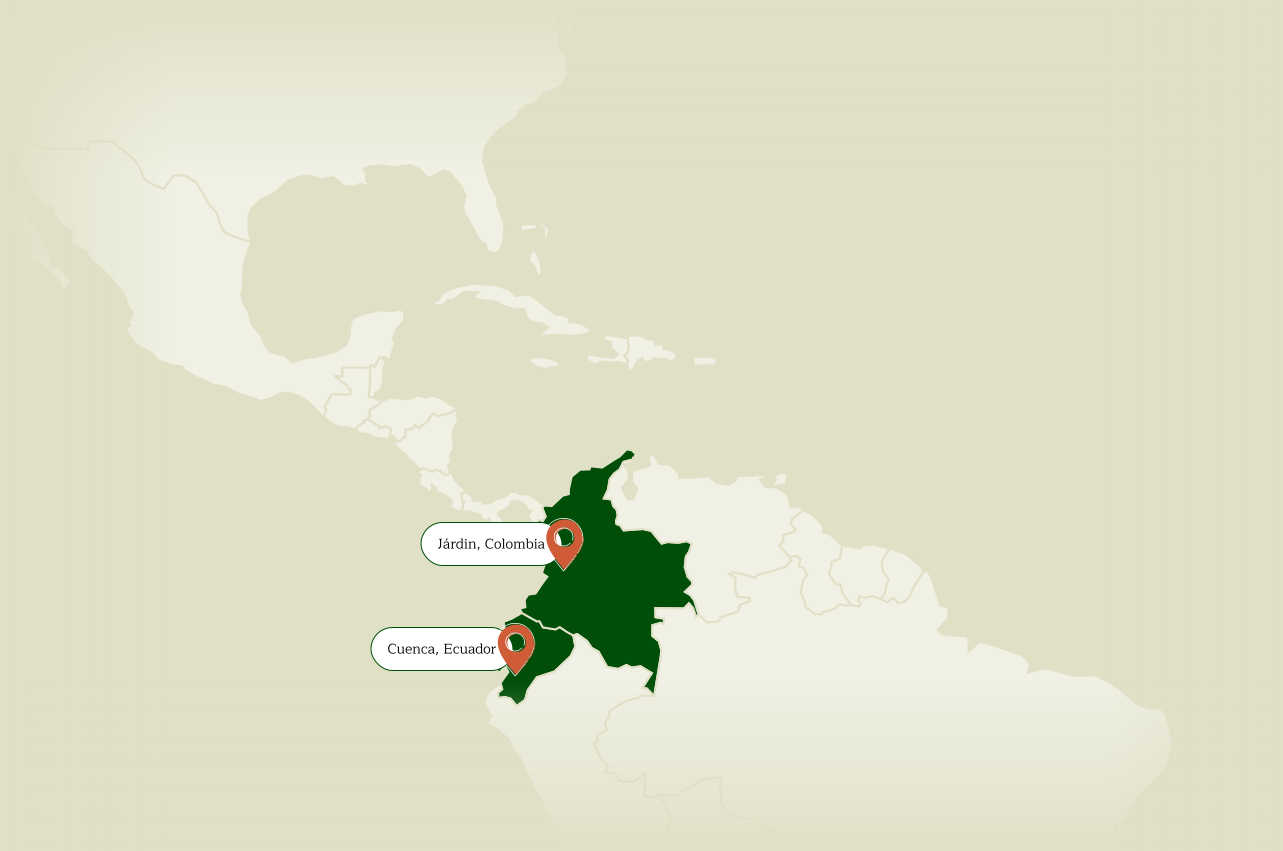
We start in Jardín, Colombia. Small town life, green mountains all around, waterfalls and hikes just outside the village. It’s the kind of place where things move slower and it’s easy to settle in.
After a break, we continue to Cuenca in Ecuador. A beautiful city with a lot of character, good food, culture and daily life that feels easy to step into, with nature close by.
Both places have that spring-like feel, not too hot, not too busy, and a good balance between nature and everyday life.
5 weeks in each location, start Jan 7
Járdin, Colombia and Cuenca, Ecuador
A small village traveling together
One-week break between locations
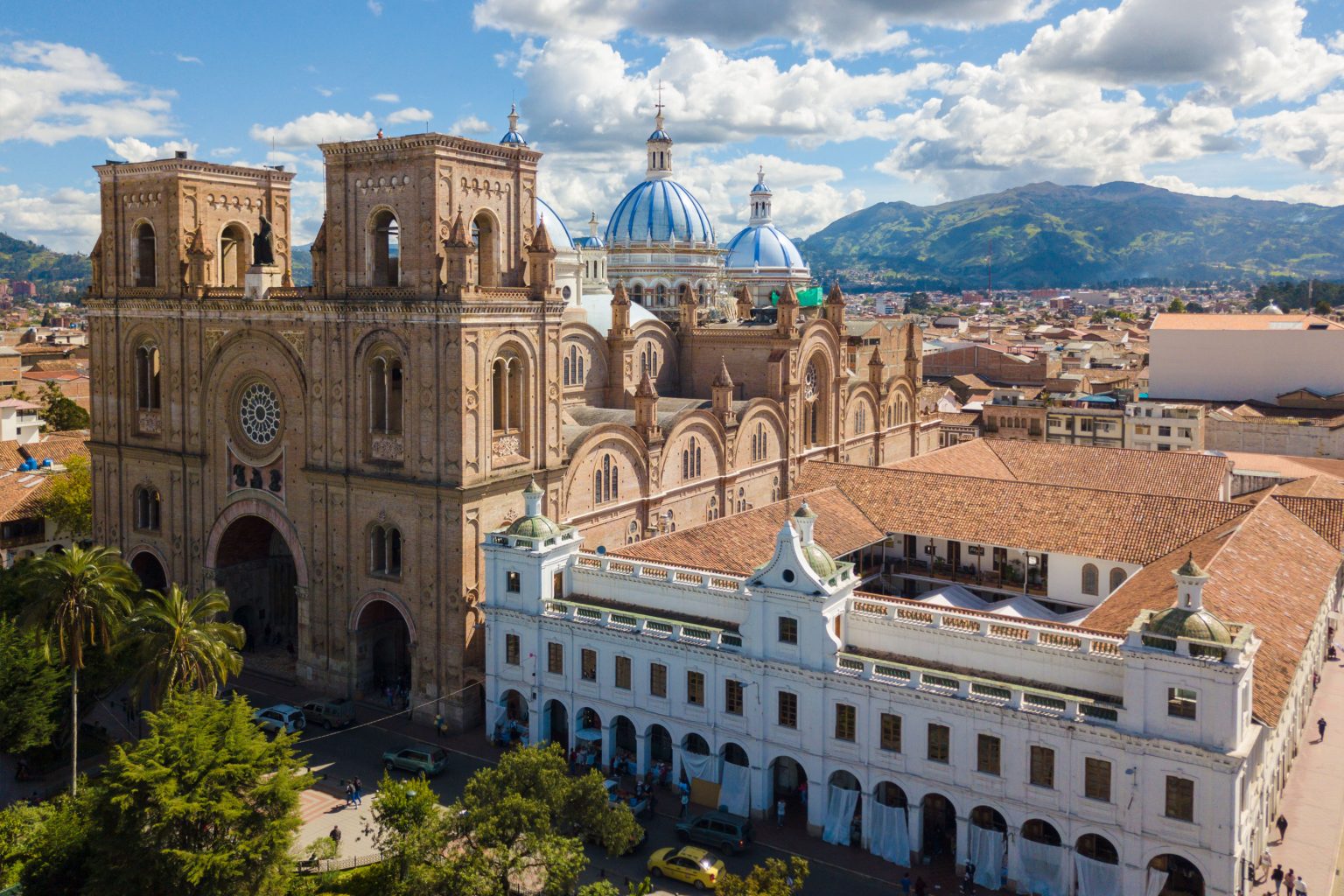
Cuenca
In Cuenca, you are stepping into one of Ecuador’s cultural centers, often referred to as the “Athens of Ecuador.” The city has a long tradition of literature, education, and the arts, and that shows in everyday life. You will find bookstores, galleries, local festivals, and music in the streets.
The historic center is a UNESCO World Heritage site, but it does not feel staged. It is a working city where locals shop at markets, meet in plazas, and go about their daily routines. There is a mix of traditional food markets, small family-run restaurants, and modern cafés and bakeries. Cuenca is also famous for Panama hats, which are produced in Ecuador and can be seen being made in and around the city.
The climate is one of the big advantages. Sitting at around 2,500 meters, Cuenca has a mild, spring-like climate year-round, typically between 15 and 22°C. It rarely gets too hot, and while there is some rain, it usually comes in short periods rather than lasting all day.
Nature is close and easy to access. Cajas National Park is less than an hour away and offers high-altitude lakes, hiking trails, and cooler temperatures.
We chose Cuenca because it offers depth. There is a rich local culture to go into, endless options for exploring, and at the same time a very livable, walkable city where village life can naturally take shape. It is a place where you can both explore a lot and settle into a rhythm.
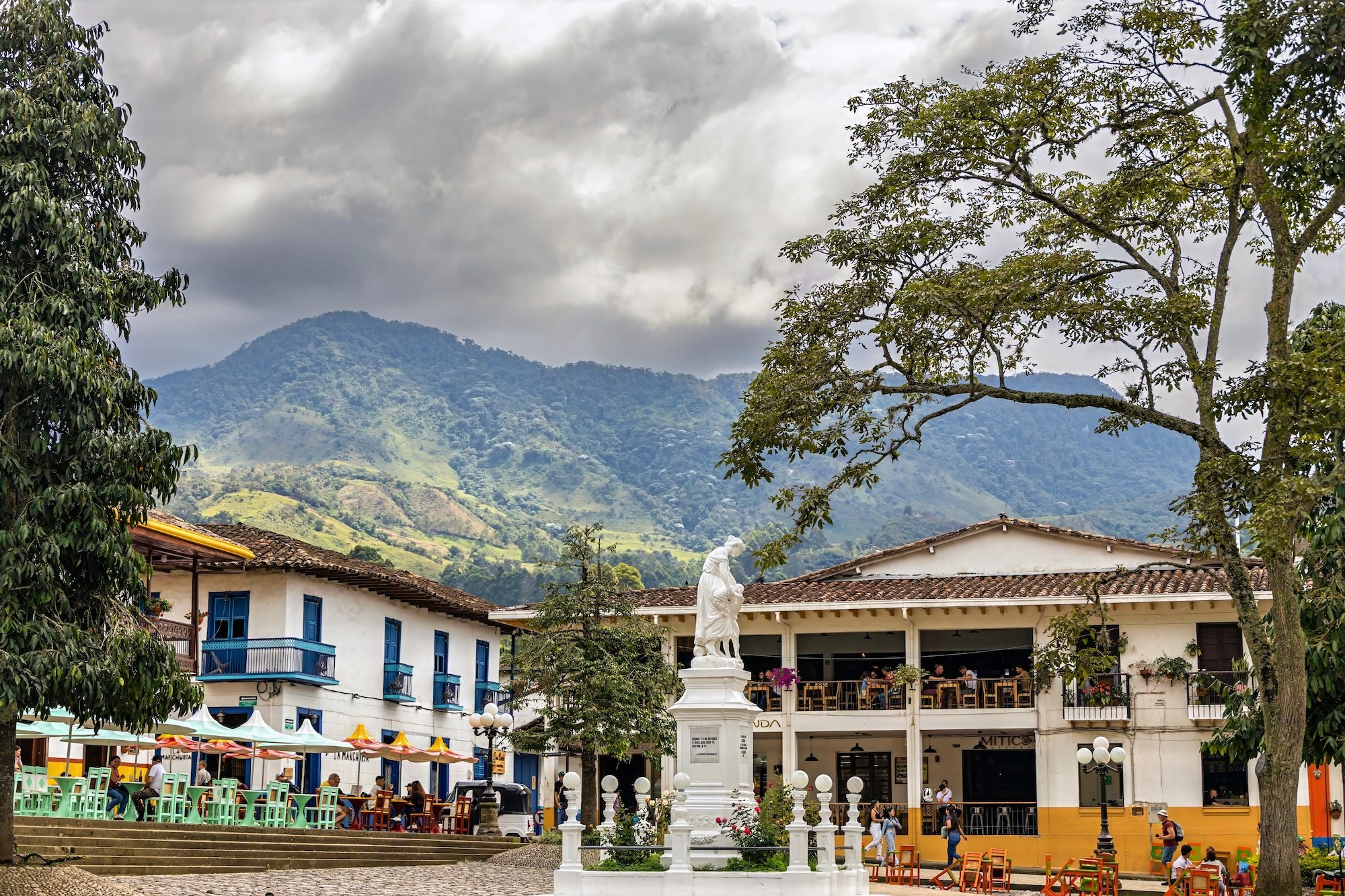
Jardín
In Jardín, you get a small mountain town surrounded by coffee farms and lush green hills. The climate is mild year-round, typically around 18 to 24°C during the day, with cooler evenings and regular short rain showers.
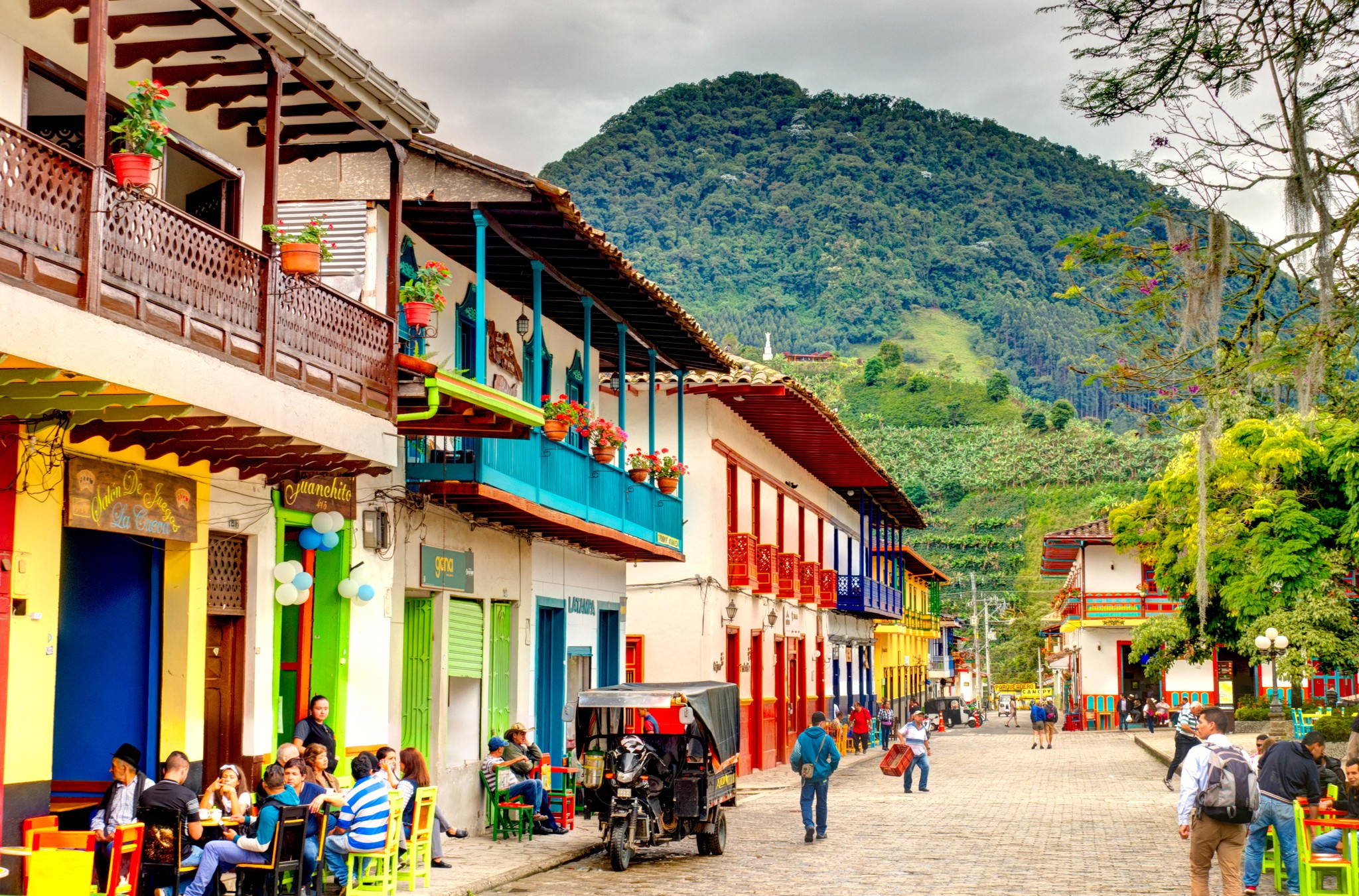
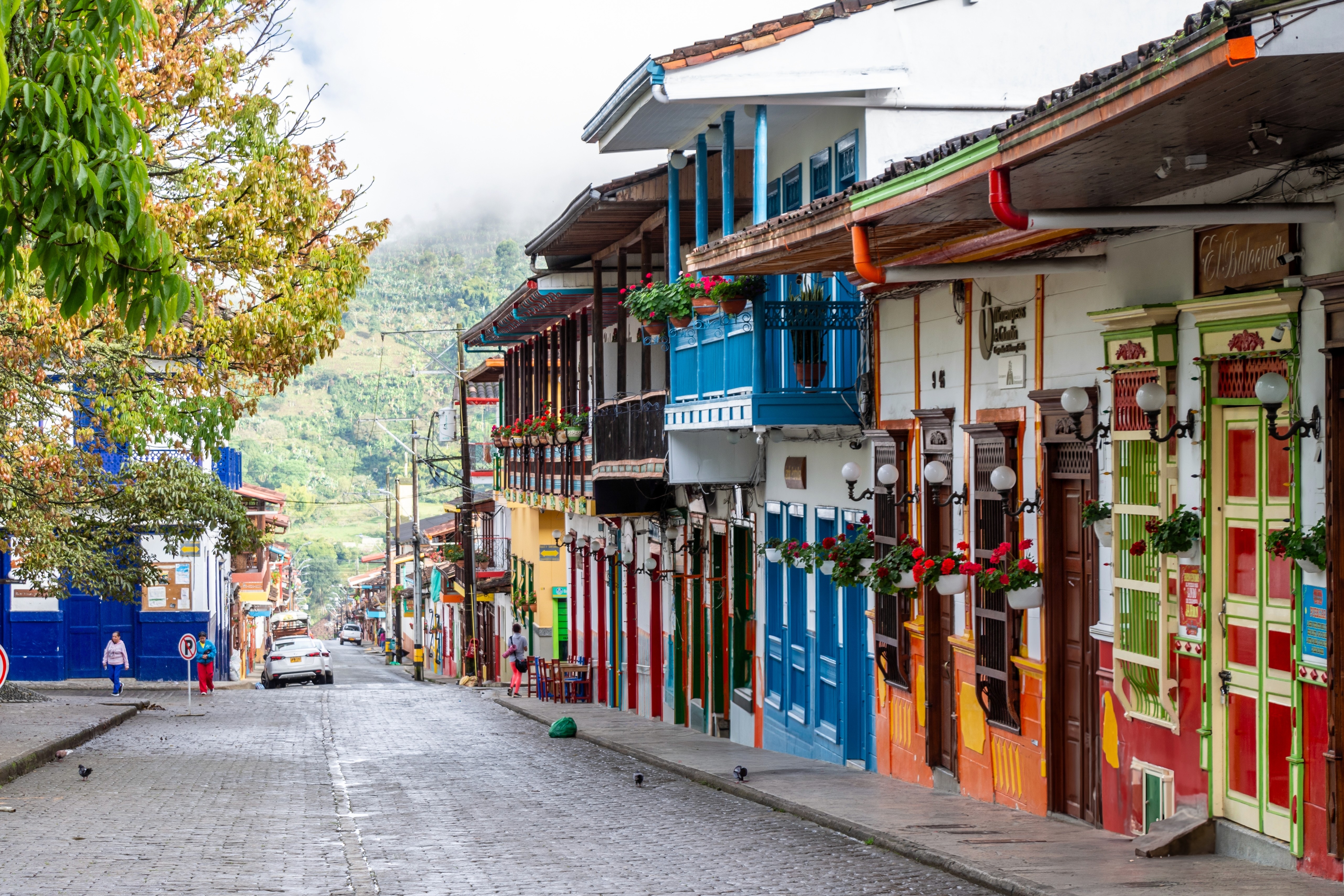
Jardín is known for its colorful colonial architecture and a lively central plaza. The square is the heart of the town, filled with cafés, restaurants, and local life from morning to evening. This is where people meet, kids play, and daily life unfolds in a very visible way.
Nature is a big part of the experience. You are surrounded by mountains, waterfalls, and hiking trails. You can visit coffee farms, hike to viewpoints, swim in natural pools, or take the cable car across the valley. There are also opportunities to see unique wildlife such as the Andean cock-of-the-rock nearby.
We chose Jardín for the contrast. It is a small pueblo where life naturally slows down. There are fewer distractions, more time outdoors, and it is easy to spend long days in nature or simply in the plaza. The calendar does not fill up with things to do. Instead, space opens up for connection, routines, and a different pace of life.
Housing in the village
At Traveling Village, every family books the lodging that best suits their needs and budget. This flexibility ensures each family can find a space that feels just right for them.
Finding lodging is in the end up to each family, but we have local helpers and from experience we know that the community help each other a lot in finding opportunities and making deals. We will work a lot of finding great housing with the local fixers, to hopefully help families.
Each village includes a designated community zone. We encourage families to stay within or close to this area to maximize the experience, but the choice is entirely up to each family.
TV1 and 3 also had plenty of coliving options, which makes the TV experience even stronger, but it's also intense. We have chosen locations for TV4 with lot of affordable housing and where it will be easier for us to stay close to each other, so it will be possible to get the housing that works for your family, without missing out on communit elements.
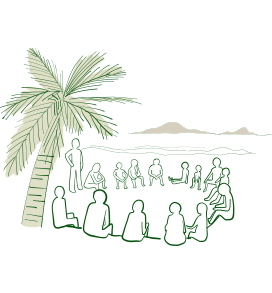
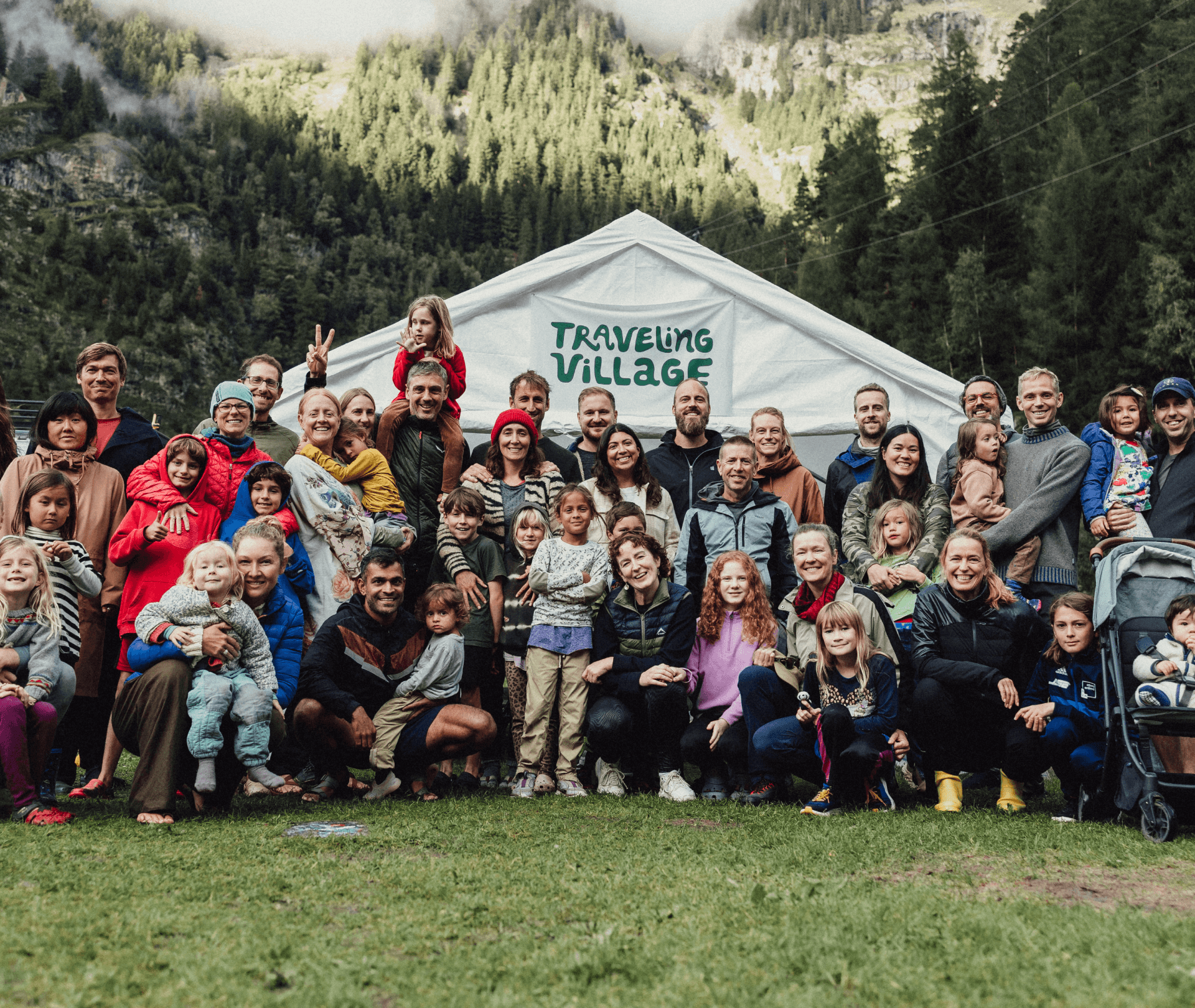
Life in past Traveling Villages
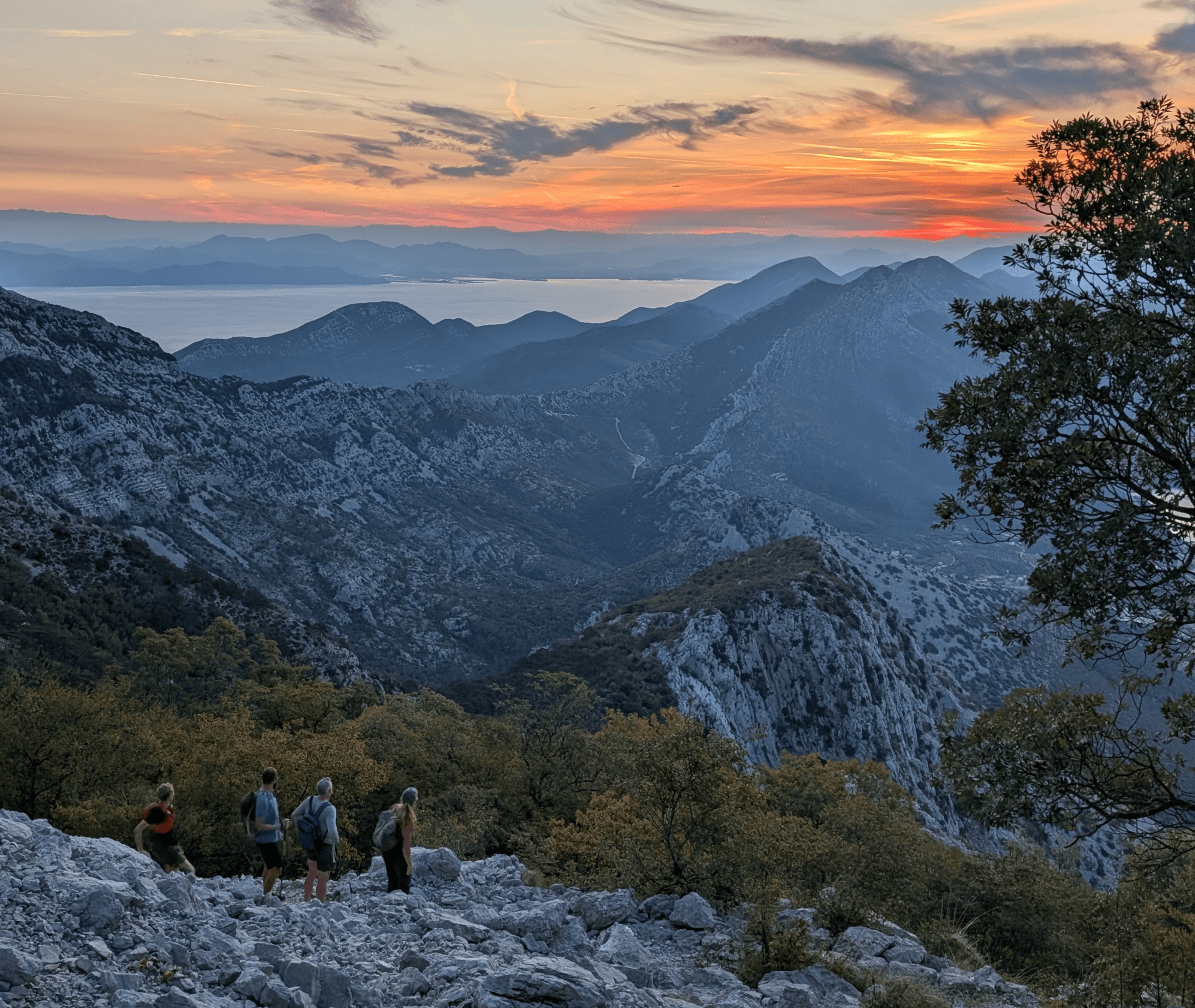
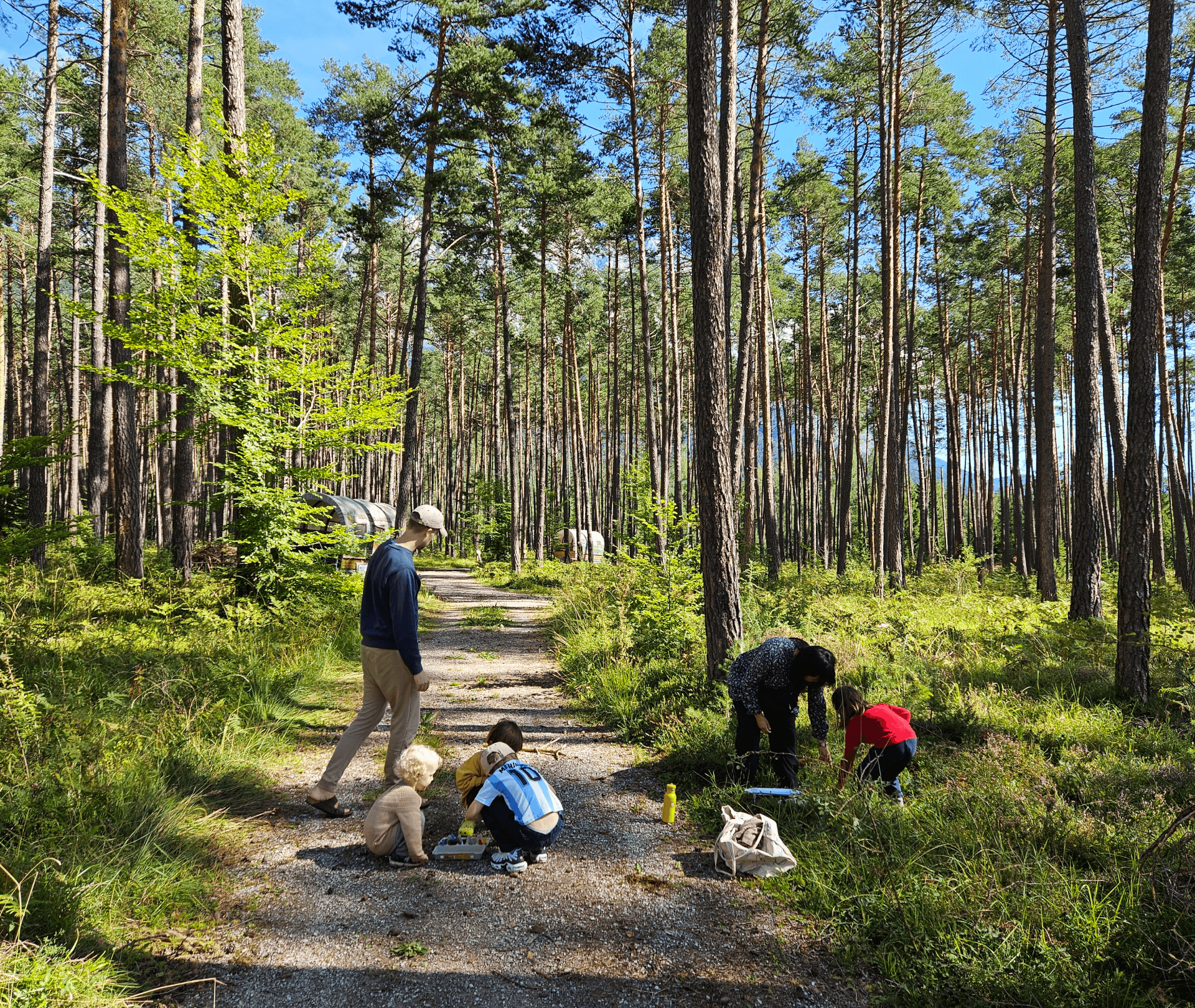
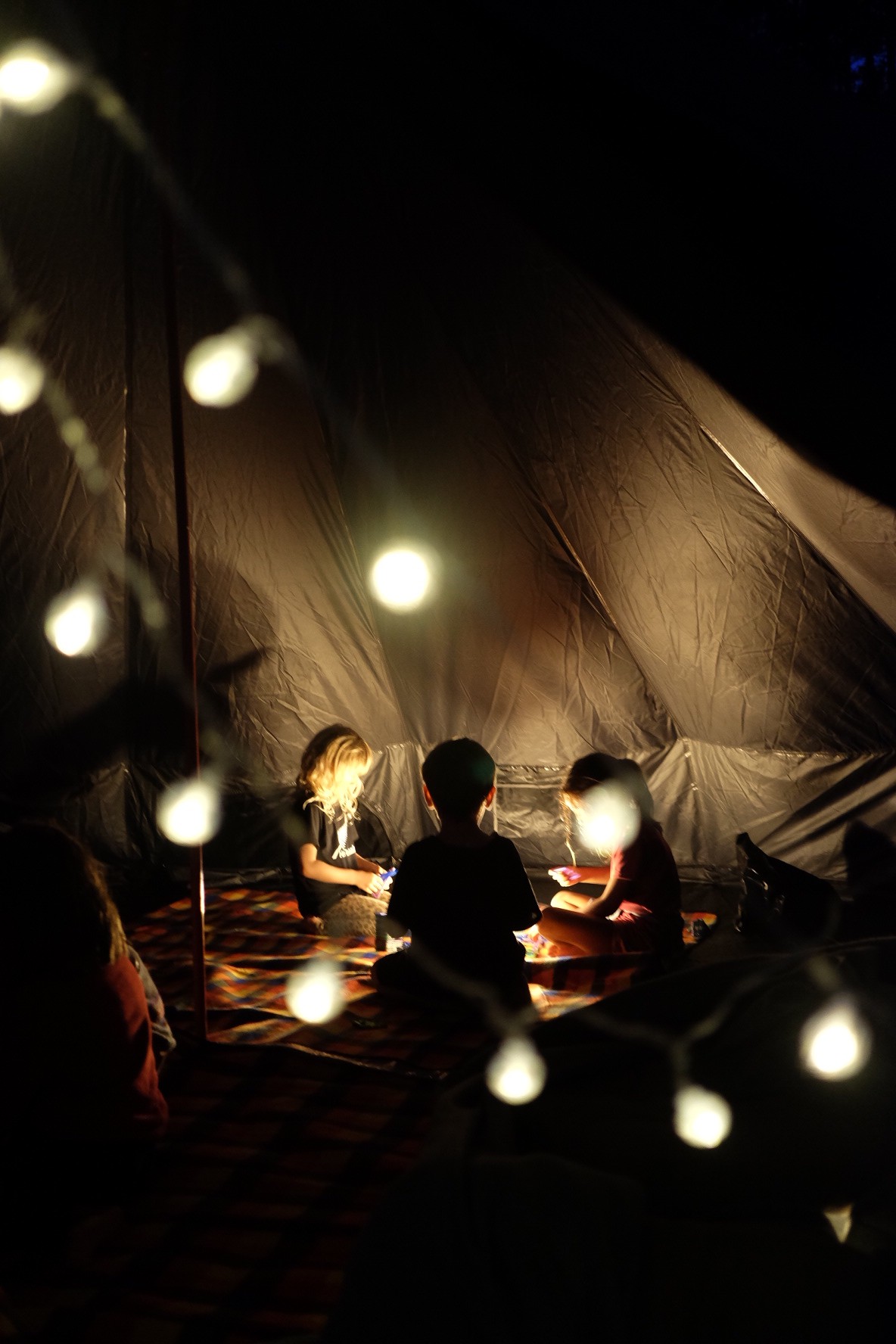
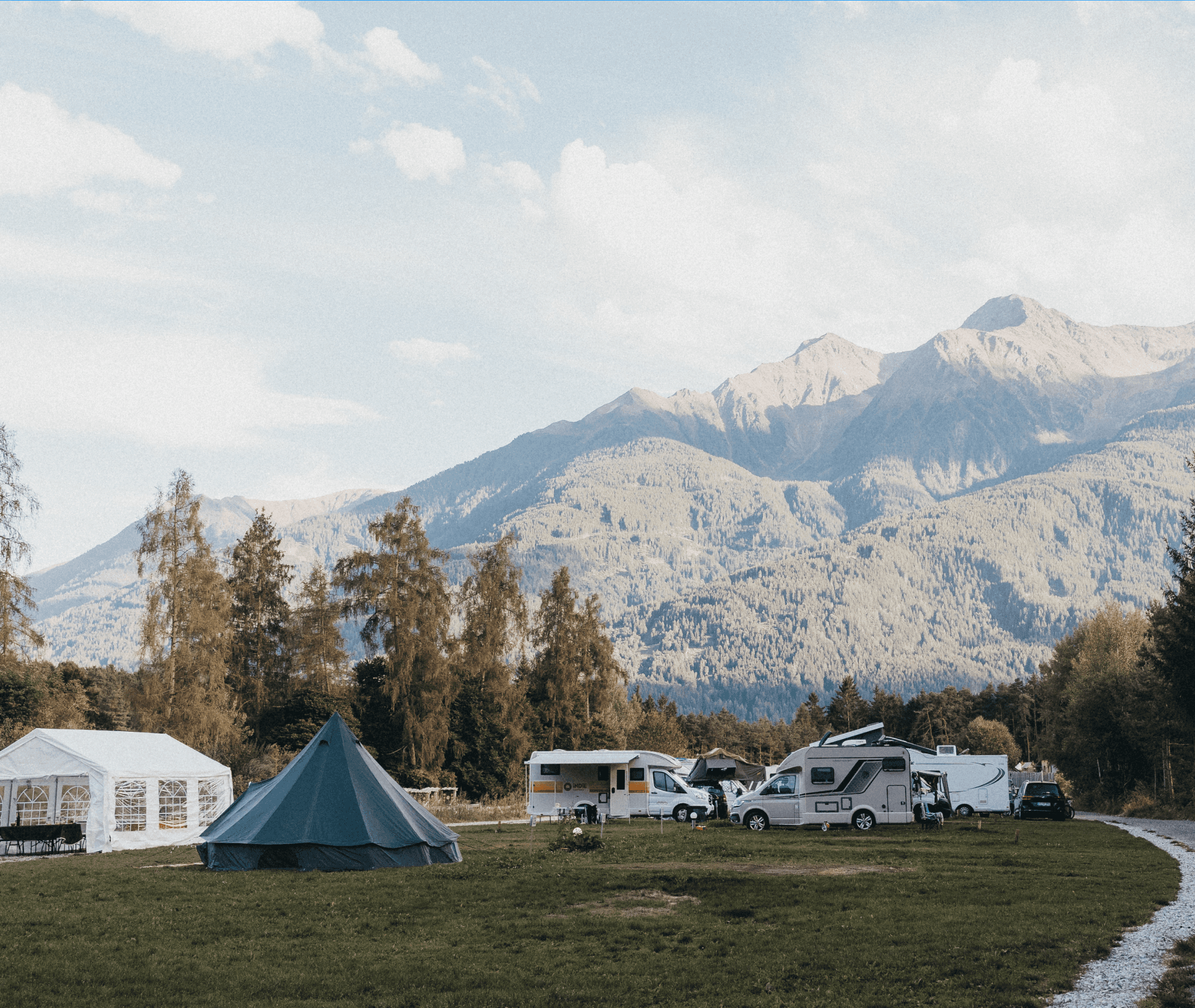
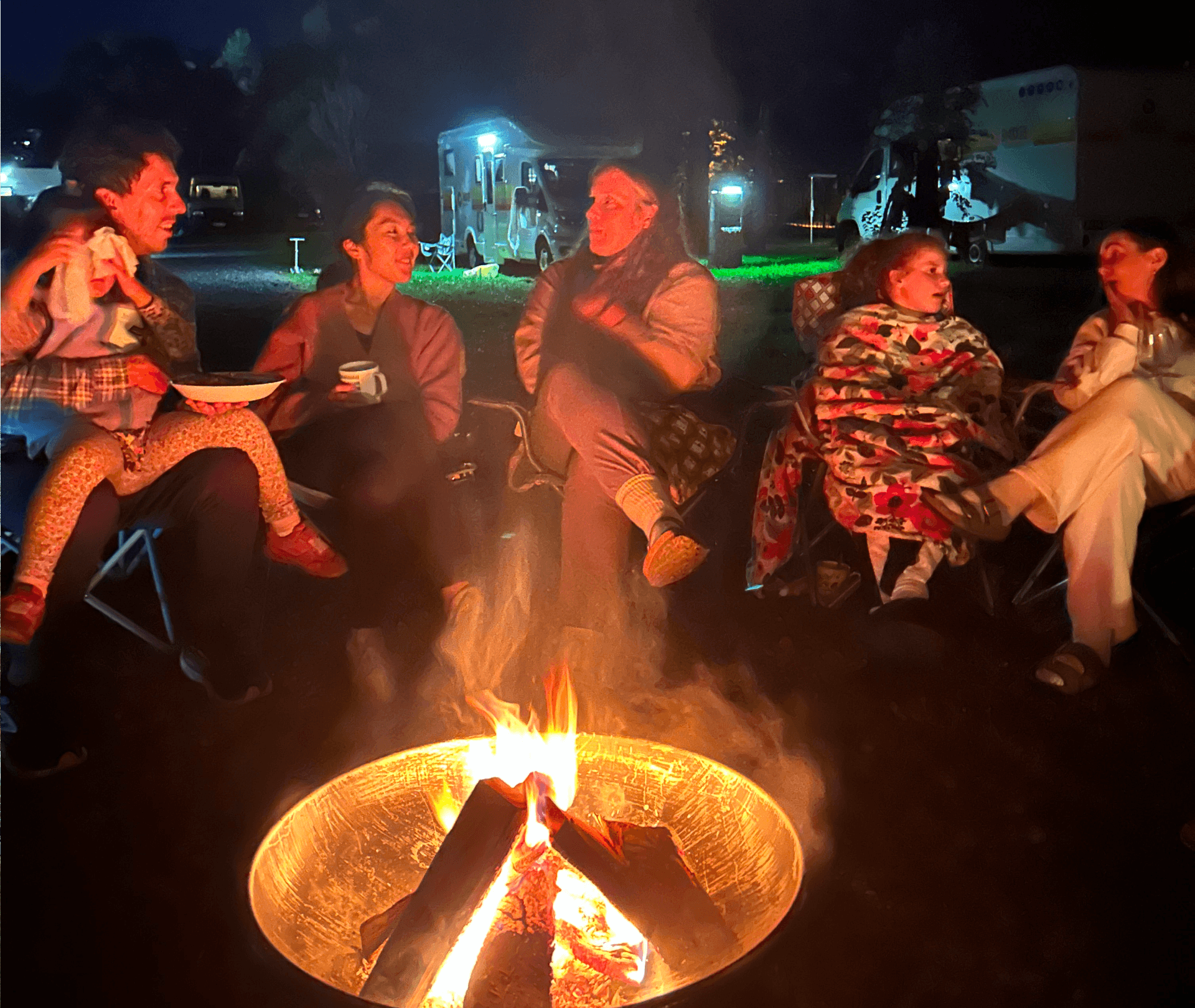
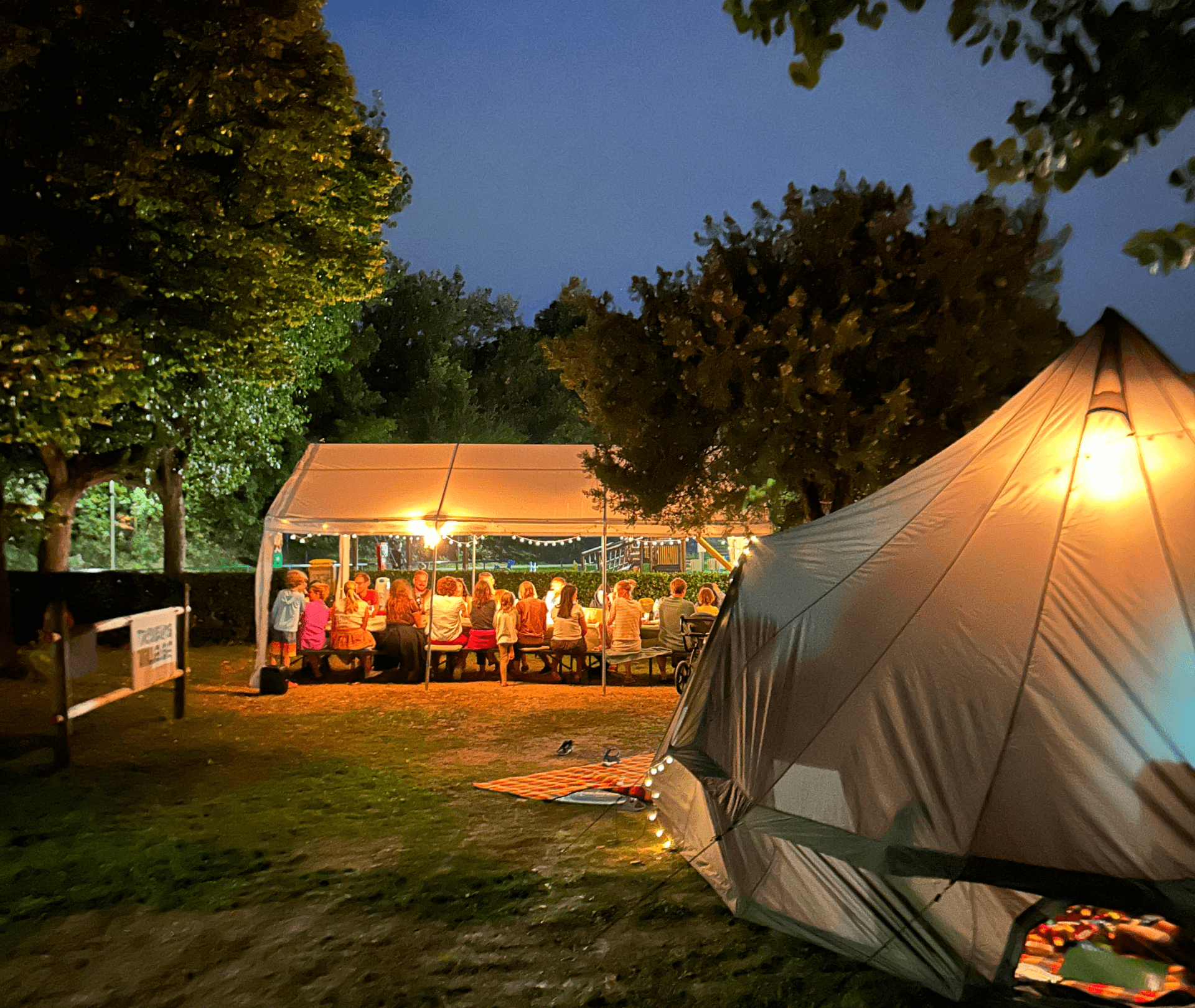
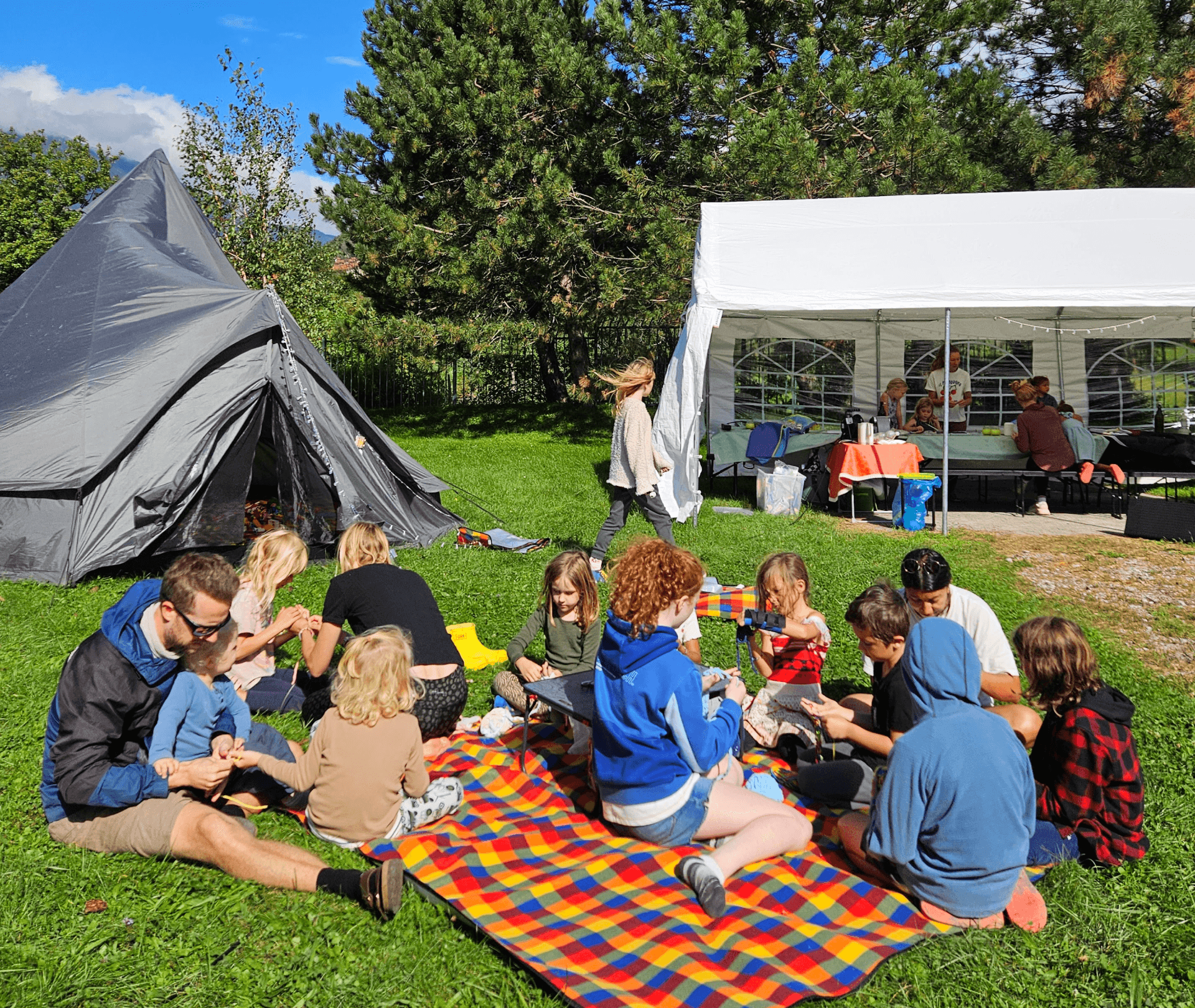
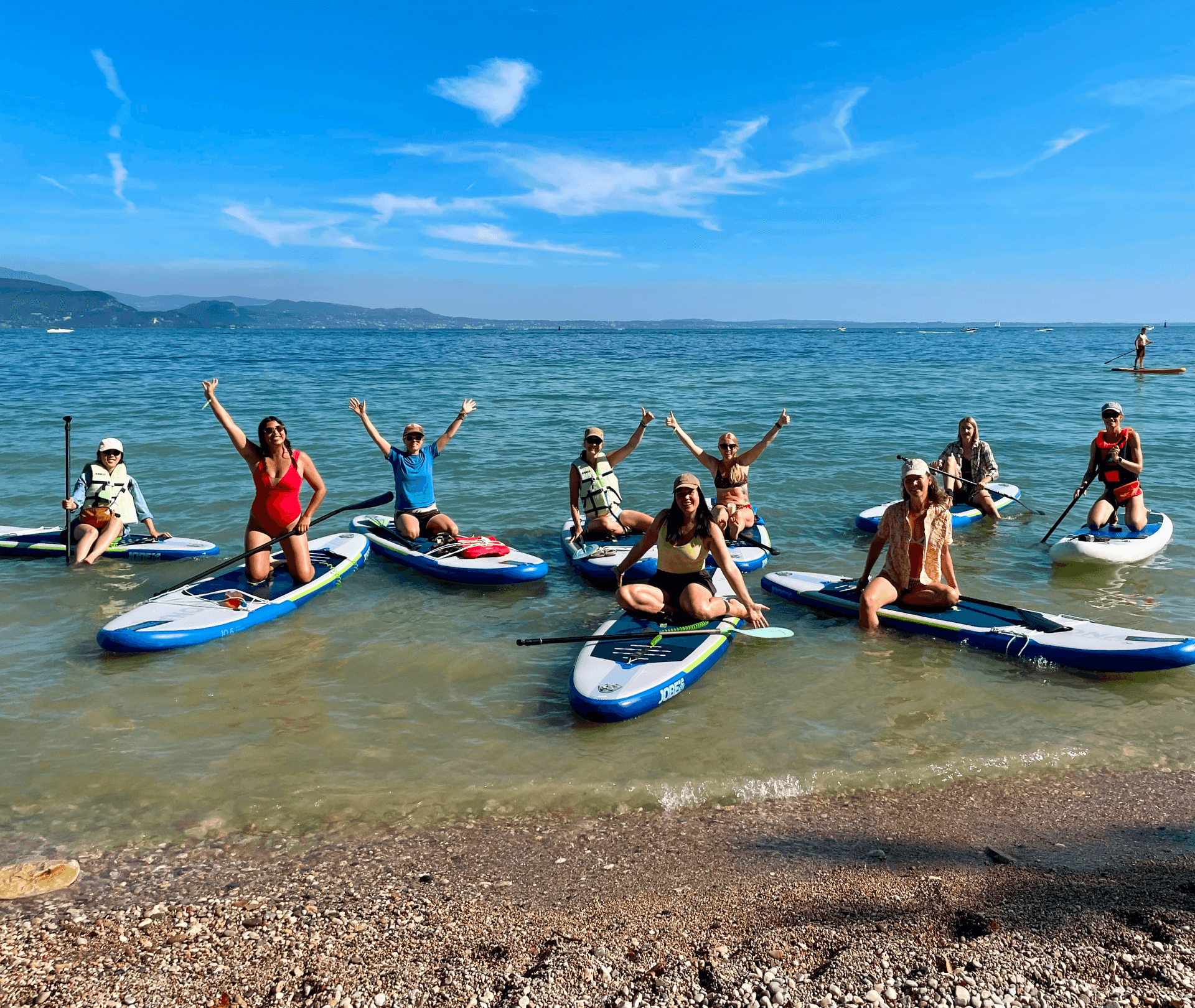
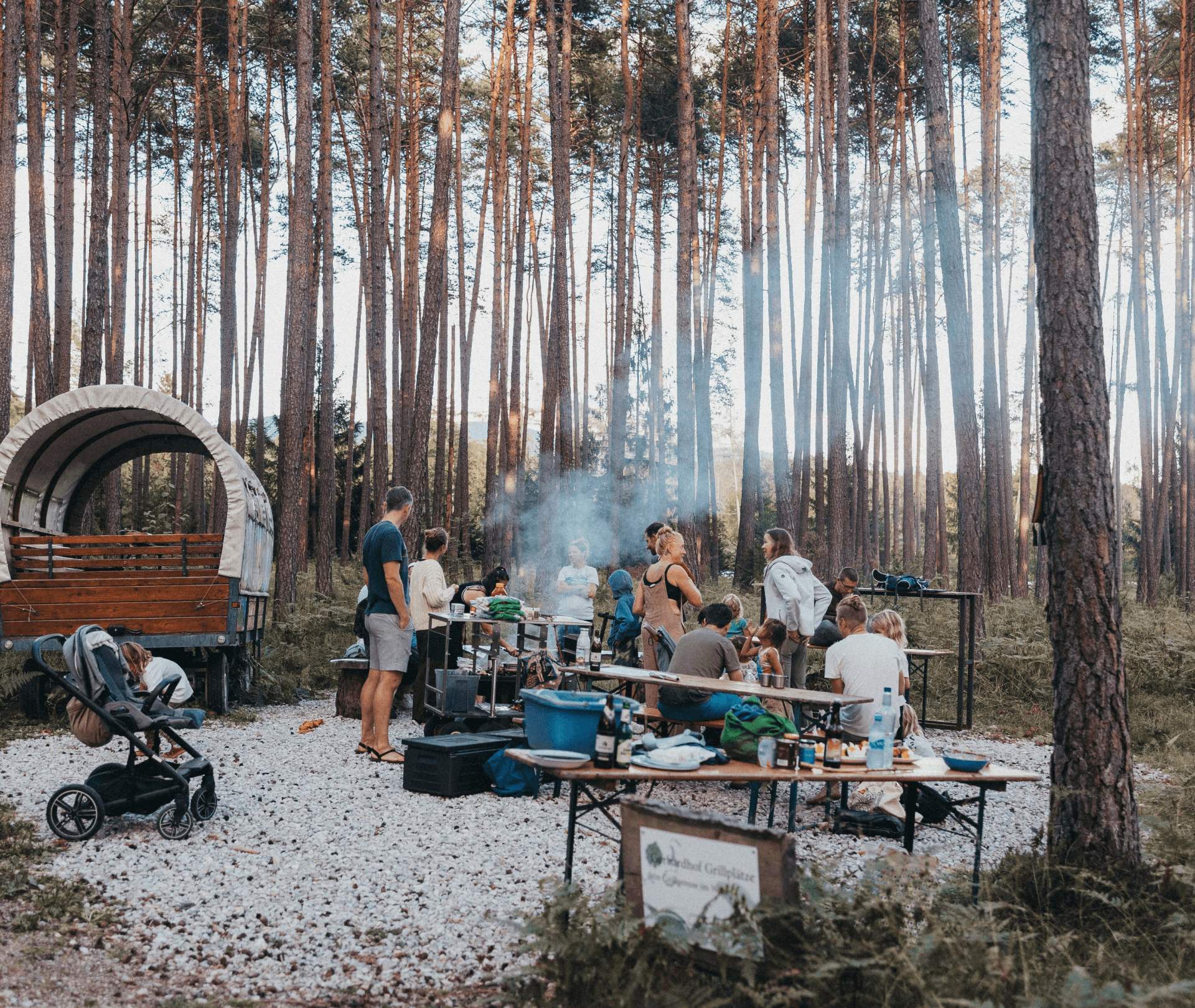
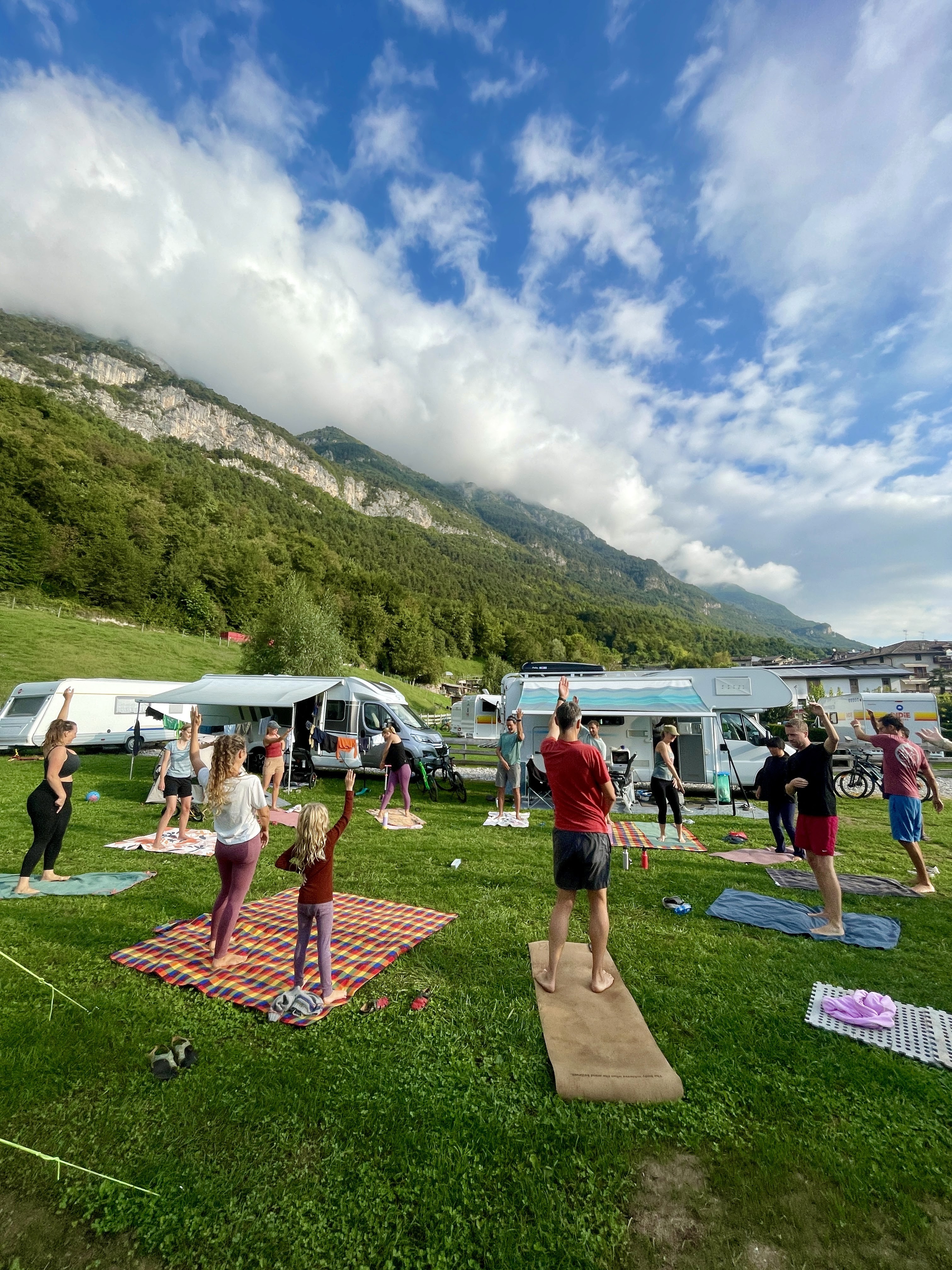
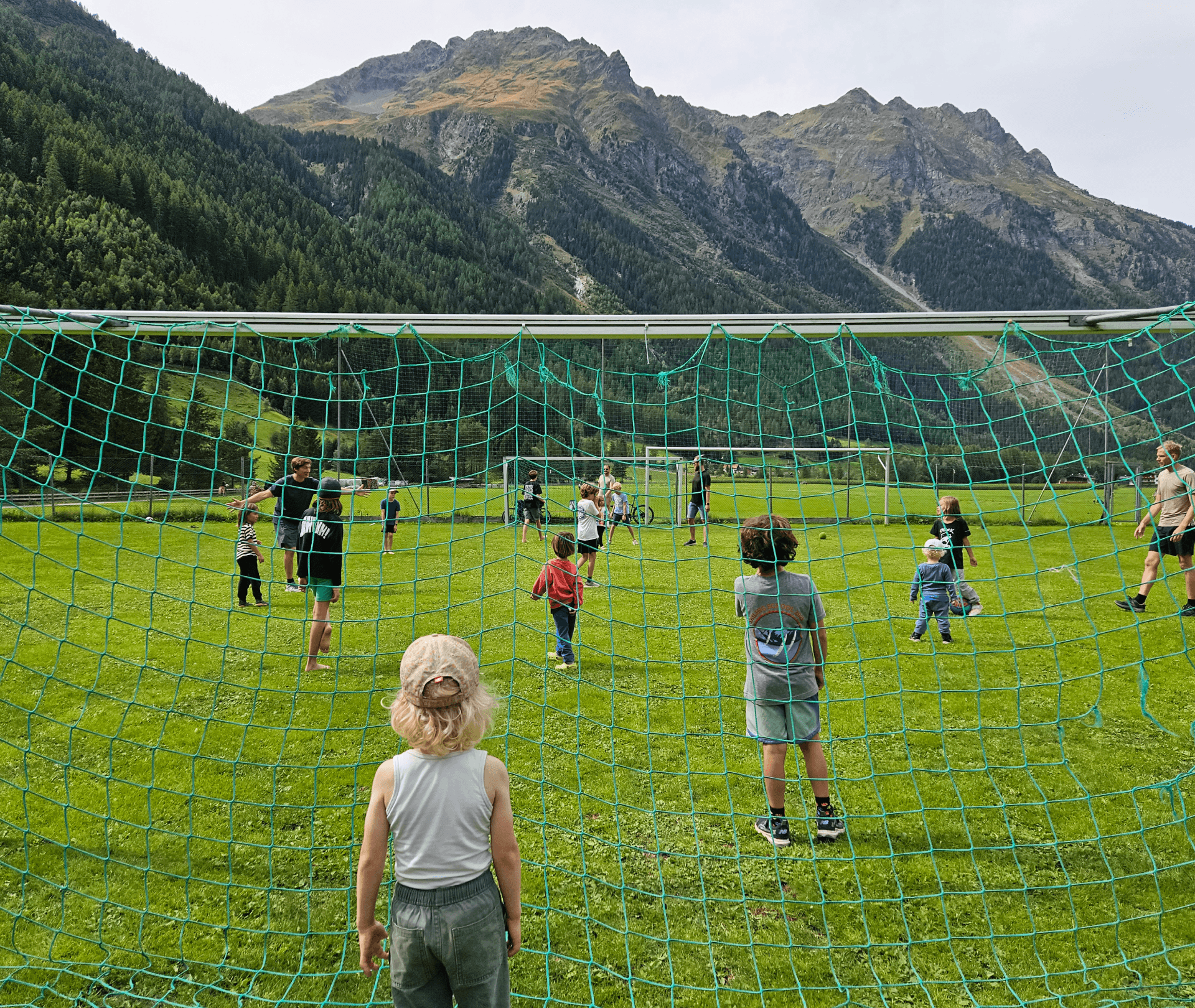
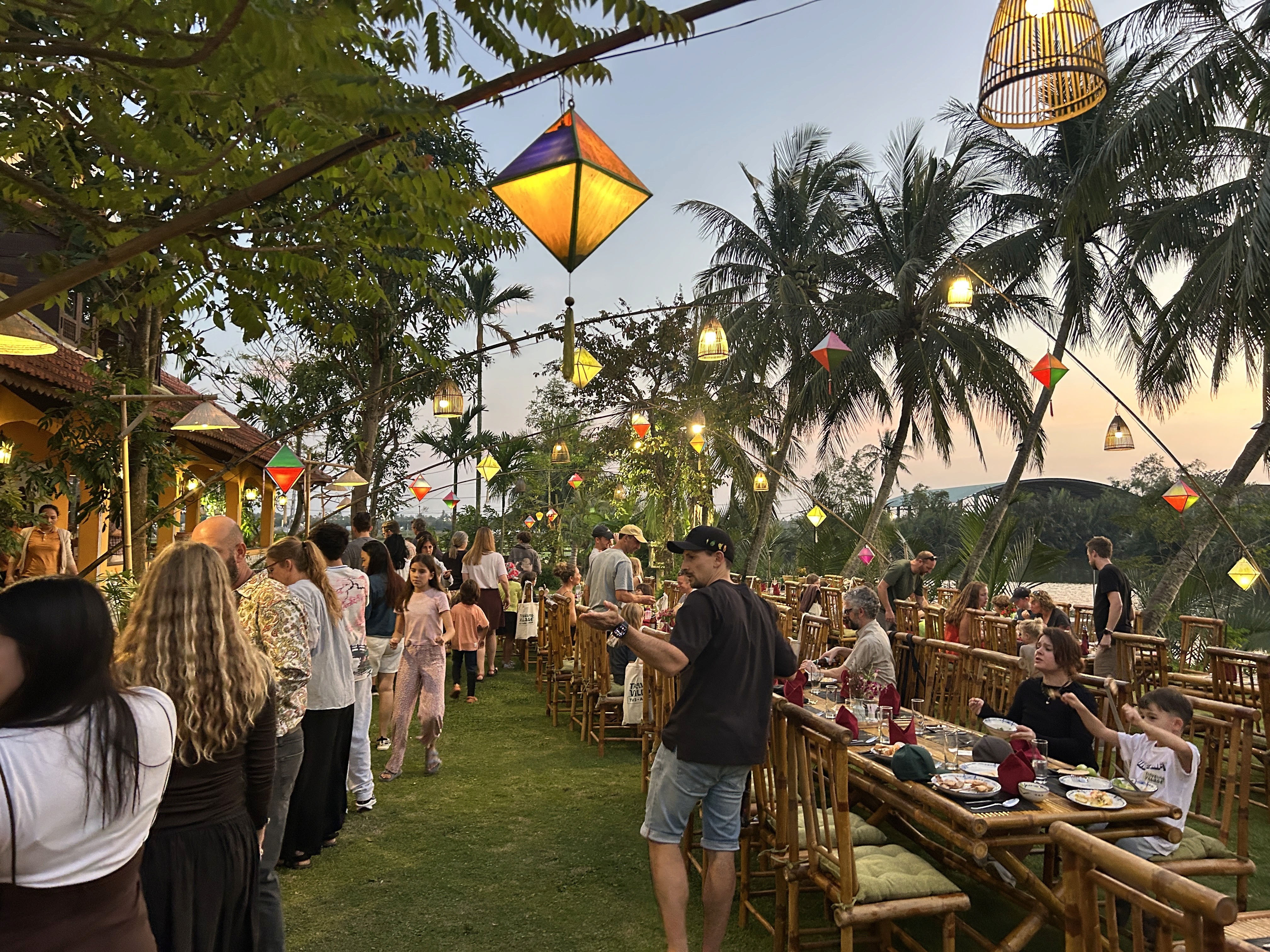
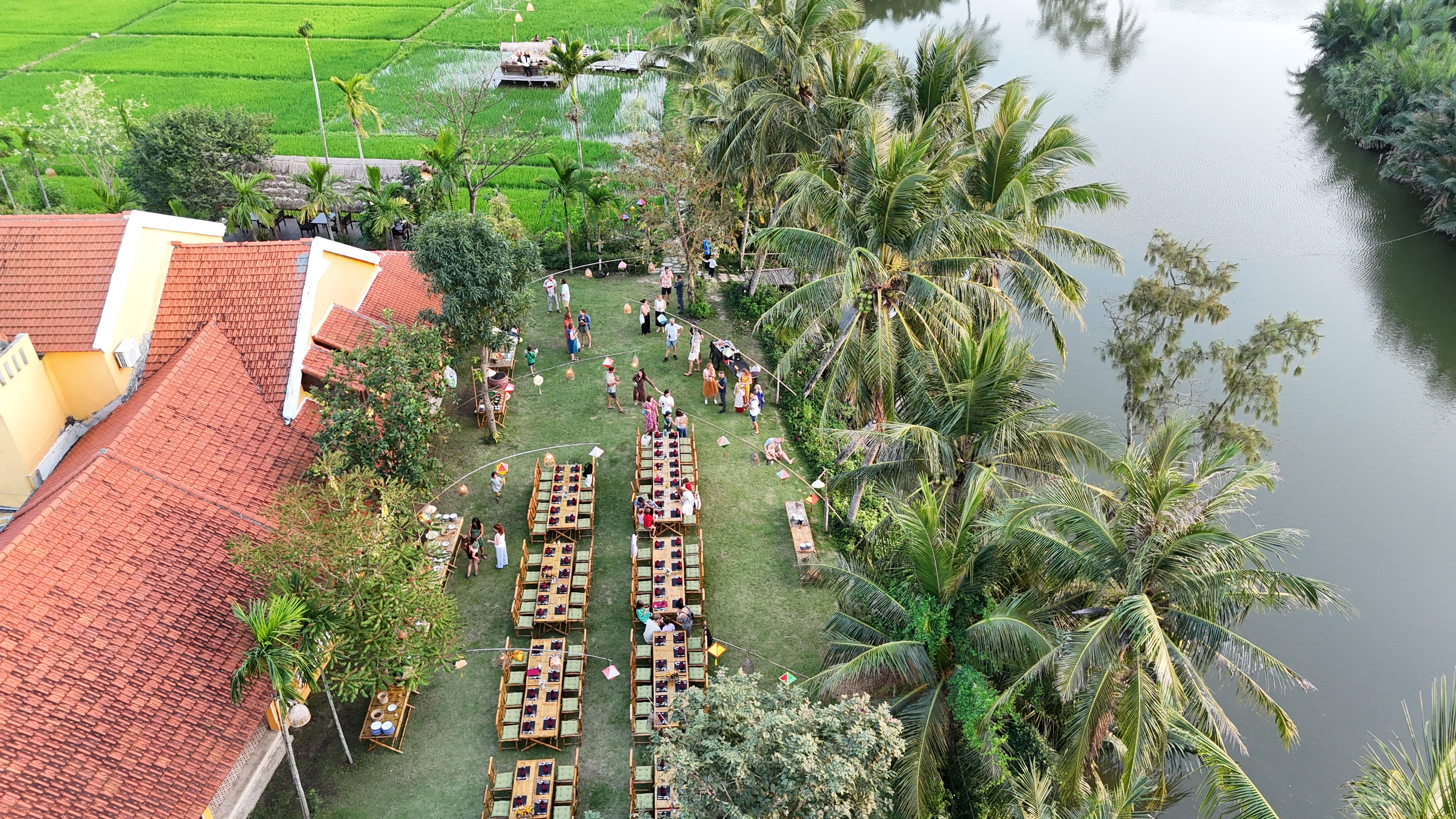
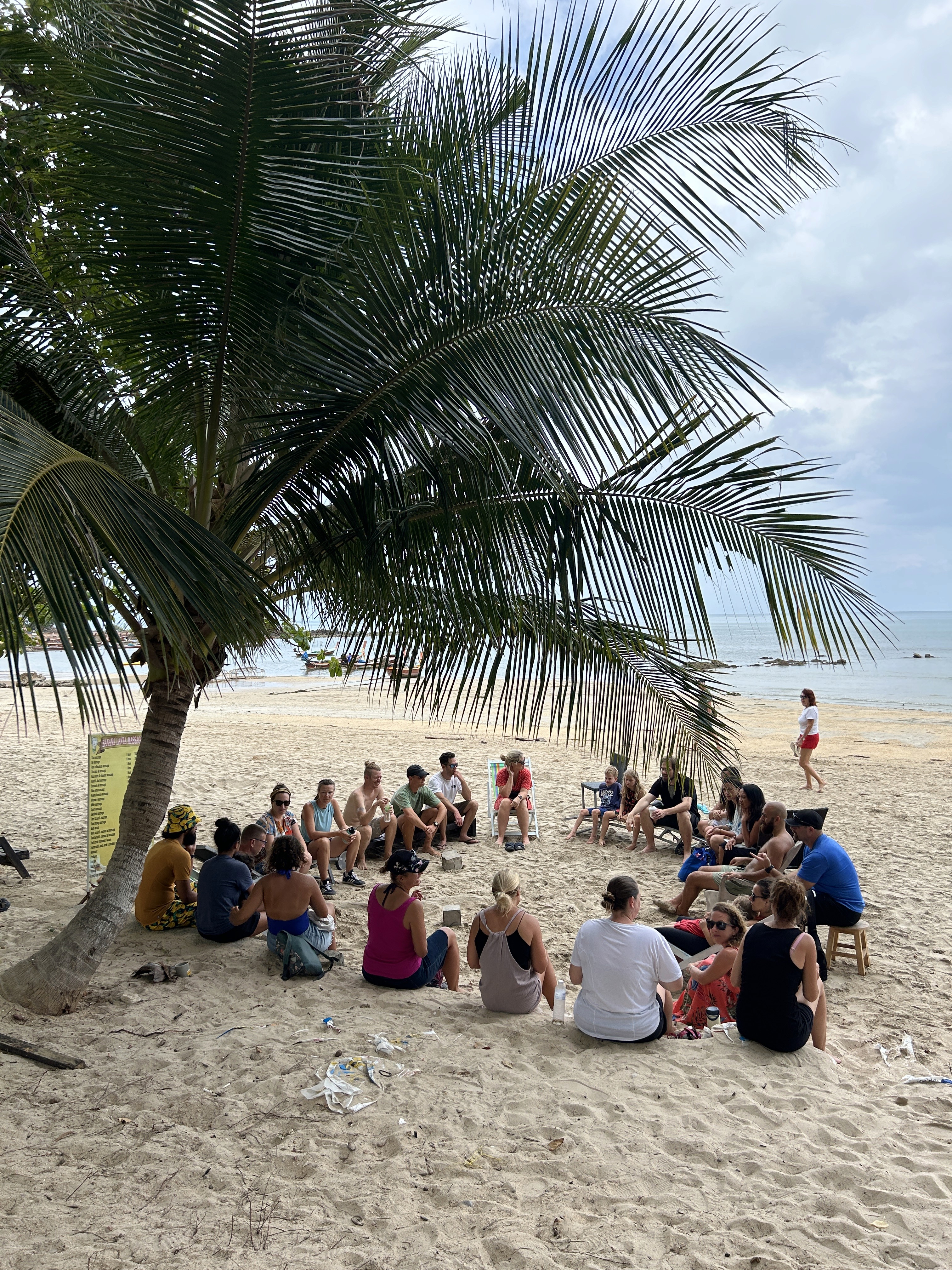
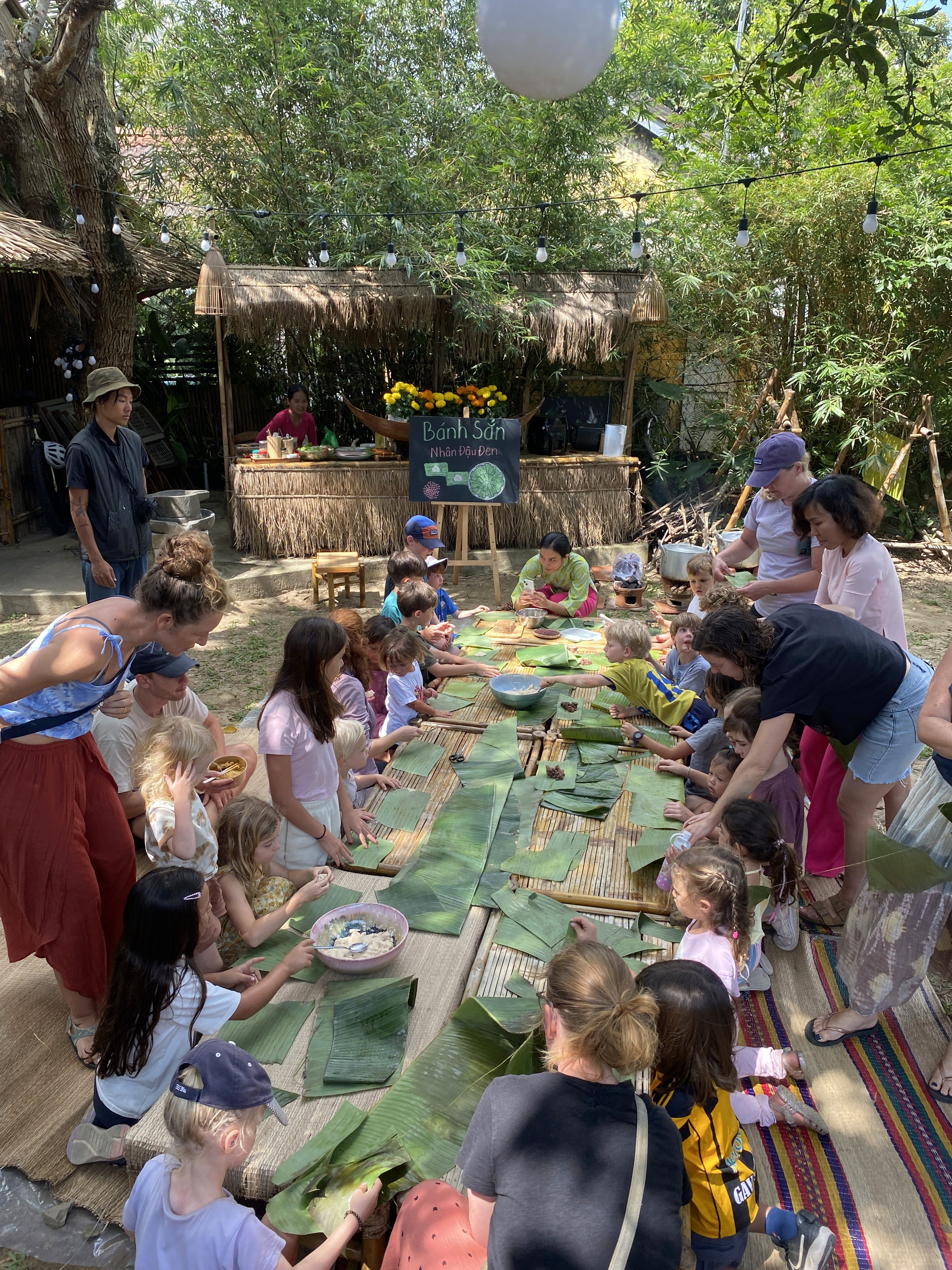
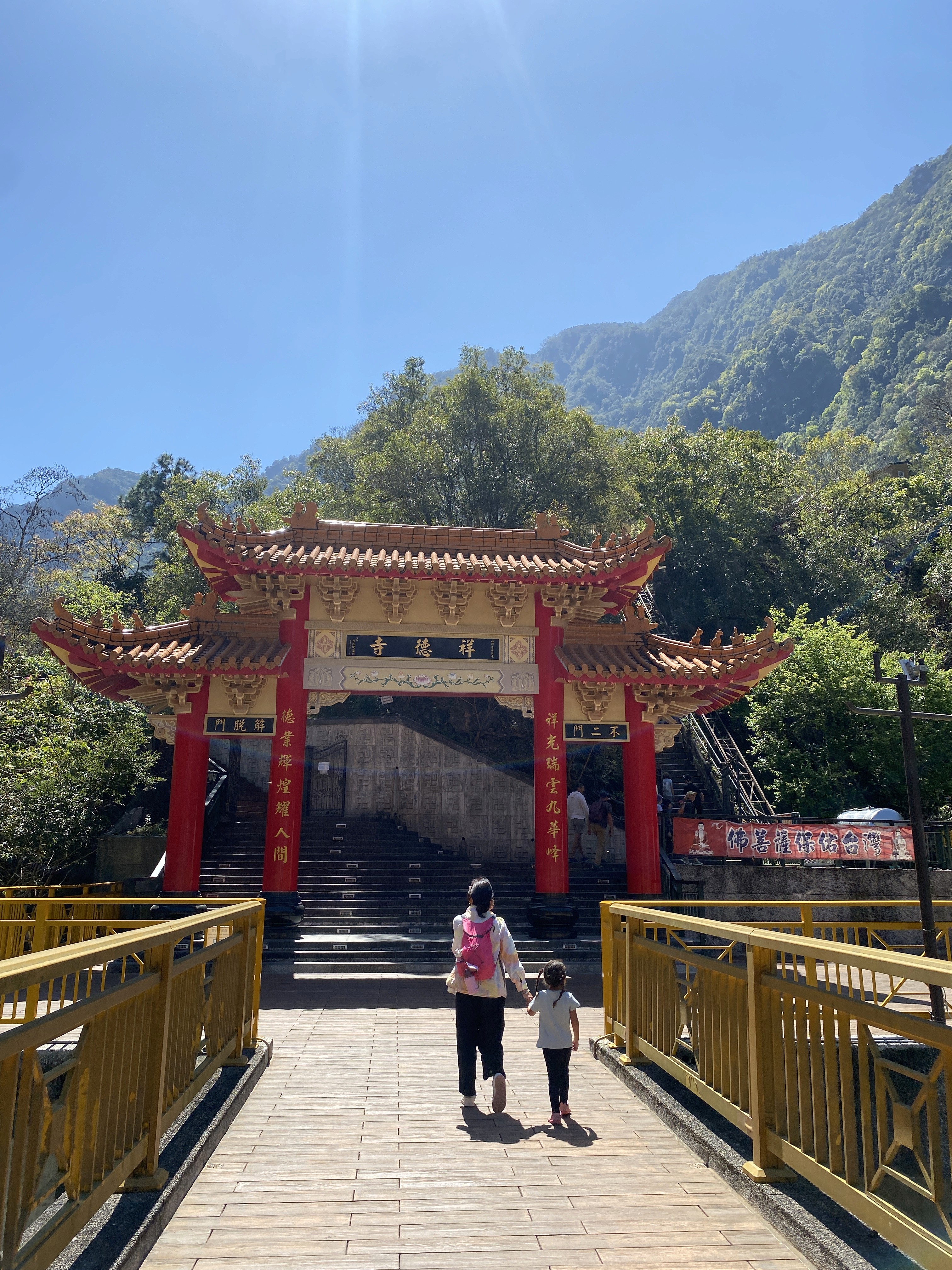
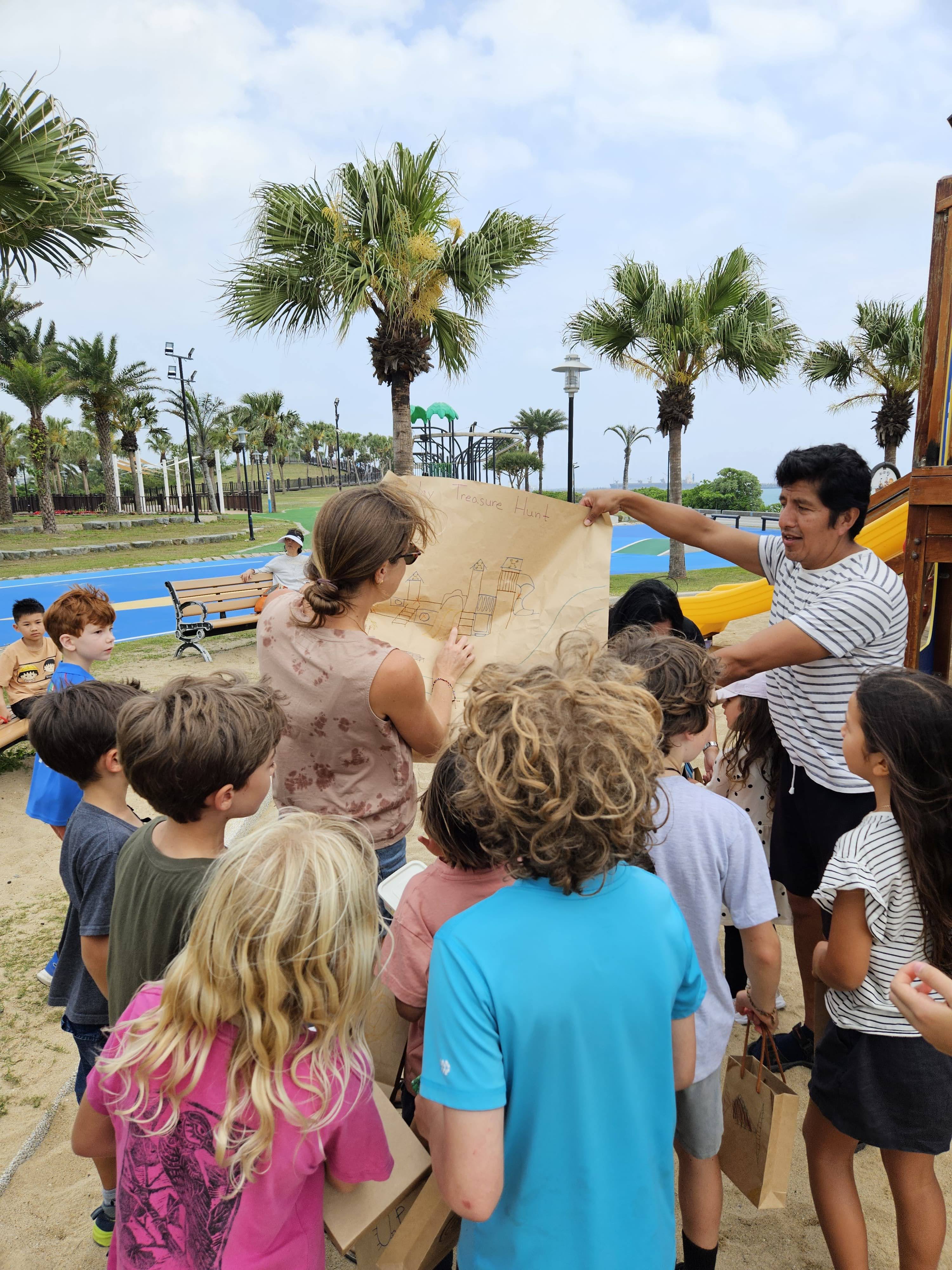
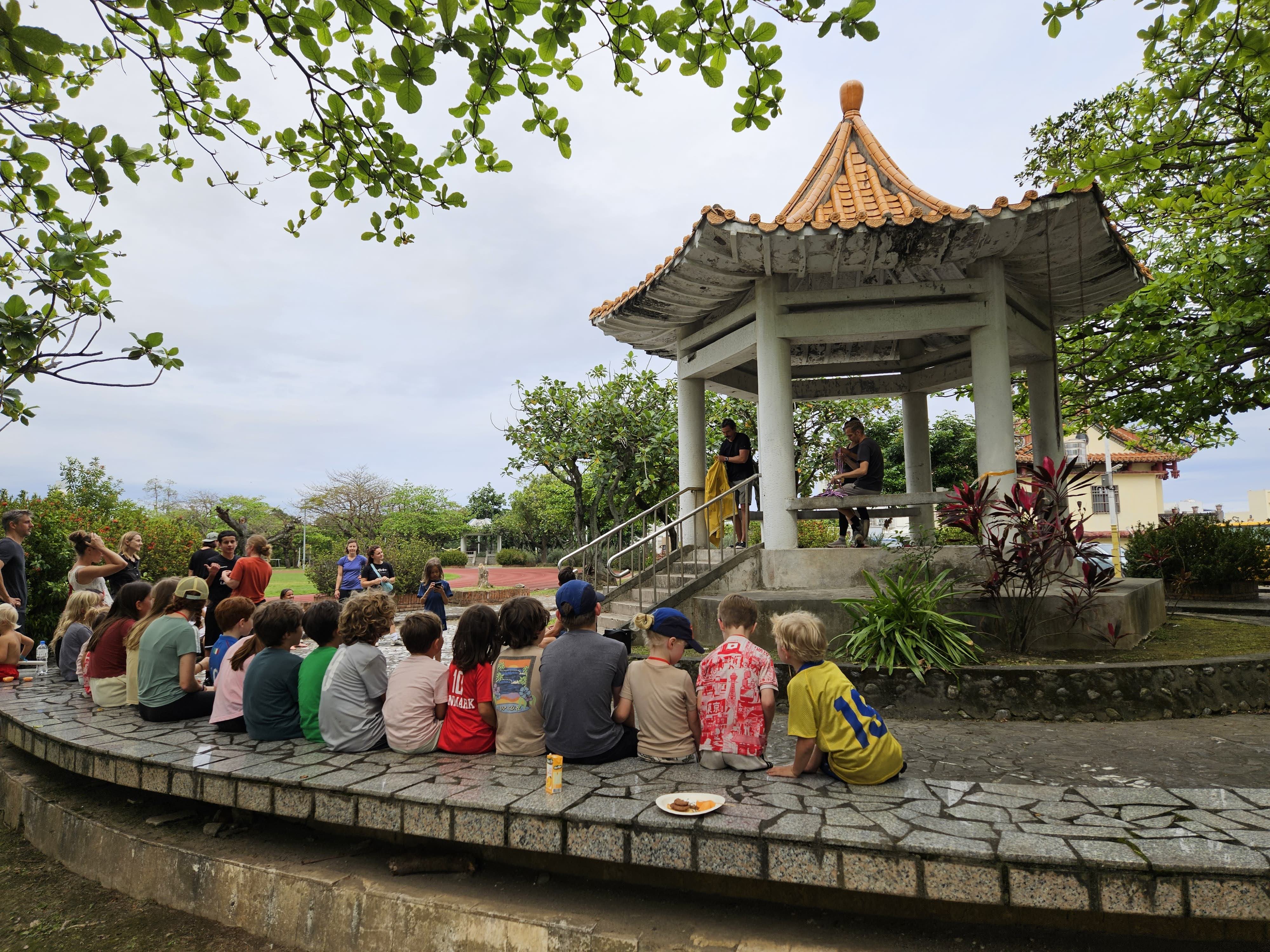
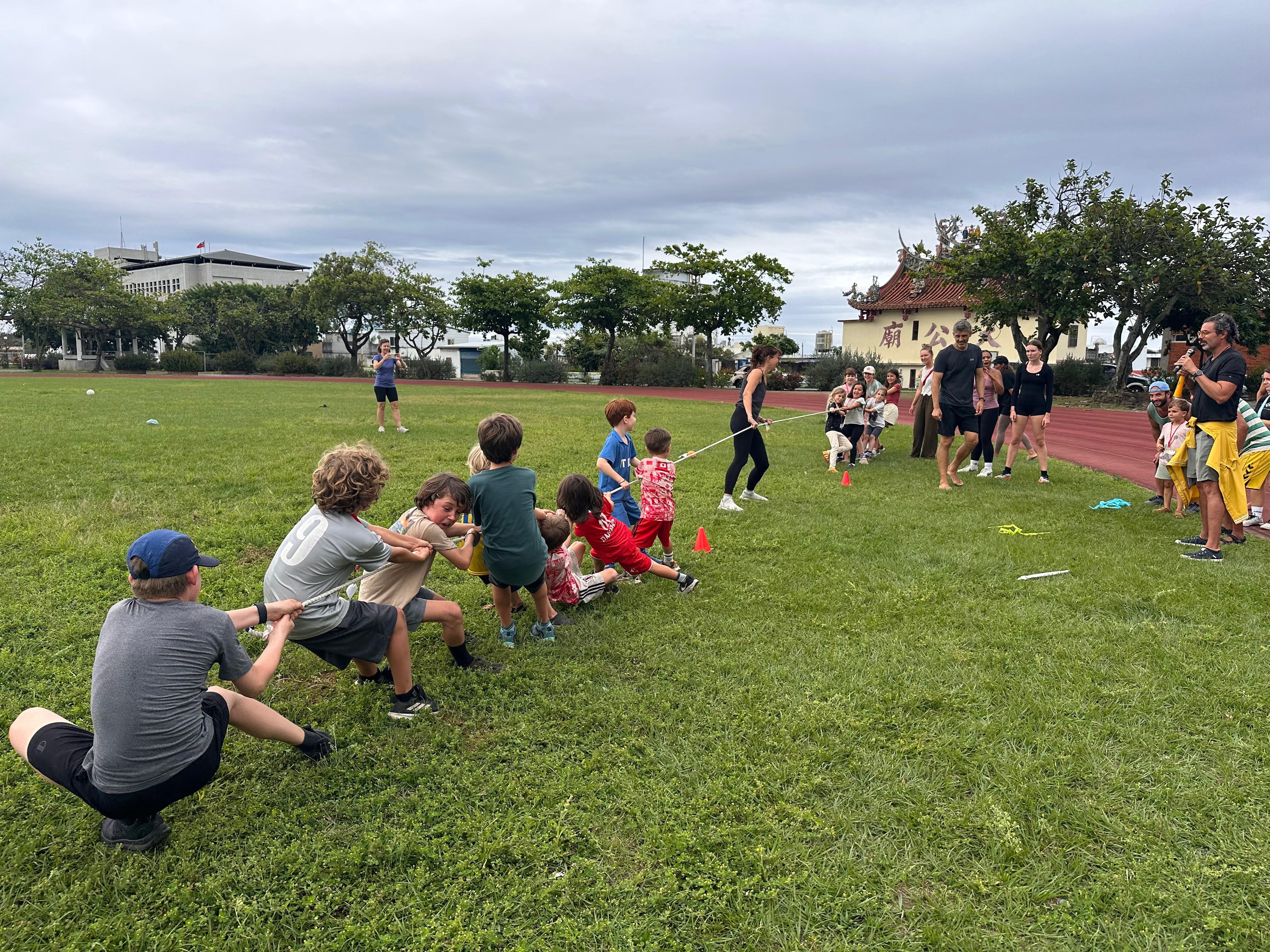
What we’re dreaming about for TV4
Traveling Village is always an experiment and we are always changing things, improving and trying new things out. Here are some of the things we are focusing on for TV4. How TV4 will end up is also highly depending on co-creation, which always make it even more amazing.
Pueblo life: We have chosen locations that help create a calm village life. They offer plenty to do, are walkable, and make it easy to slow down.
Better local immersion: We would love to do projects and get local people involved. In TV4 we will have a local immersion workgroup that will work on this.
A local planner in each location: For each location we have a local, on ground person who can help with the planning.
Improved walkability: From TV1 to TV3 we improved walkability a lot and we saw what a huge difference it made. In both locations everyone will be within walking distance.
Close to amazing nature: Both locations offer access to incredible nature experiencing. National parks, hikes, waterfalls and caves. We will have plenty to do.
Creating a unique TV4 artwork: We want to find a local artists, who can visit us, create workshops and create a unique TV4 artwork that all families will get a copy of.
A weekly rhythm: After trying different models, we know that a weekly schedule helps families slow down, it creates a rhythm and puts less decisions to be made for parents.
Having a community space: The right community space can massively improve the village. We will try to find amazing spaces we can use.
What is Traveling Village really like?
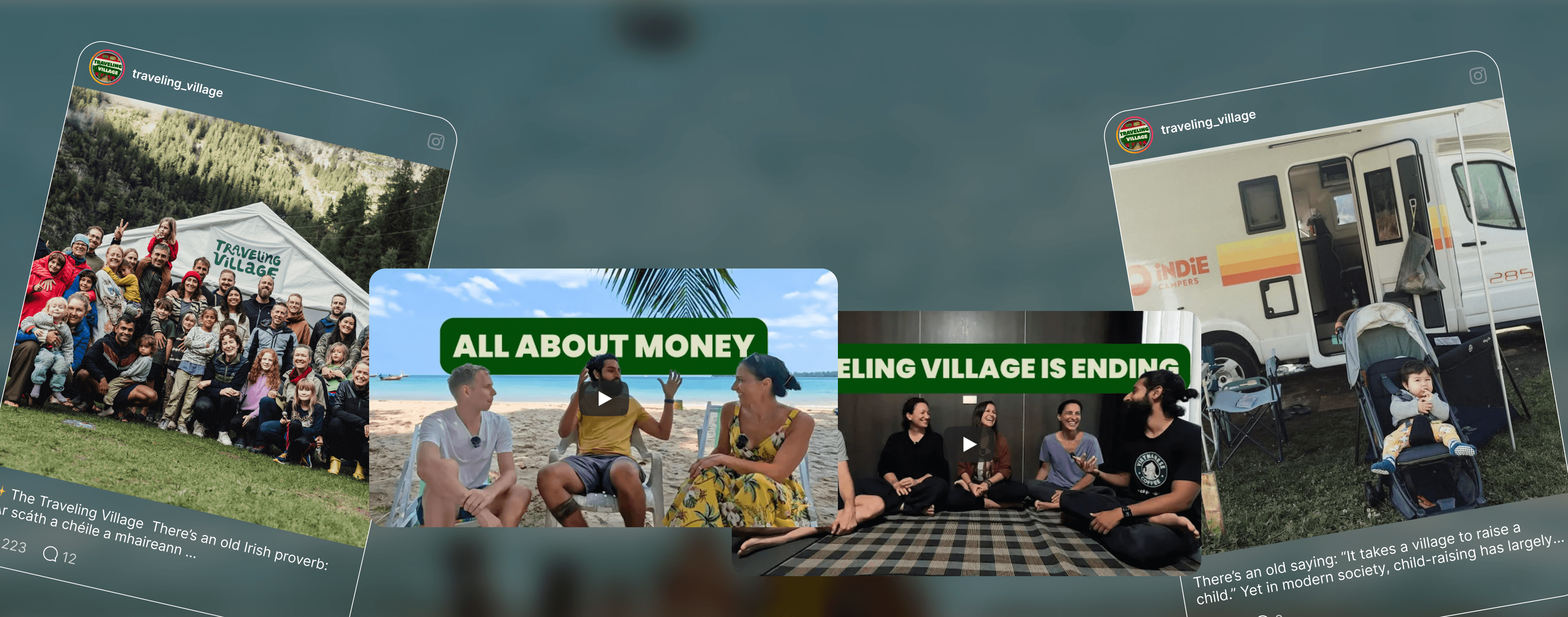
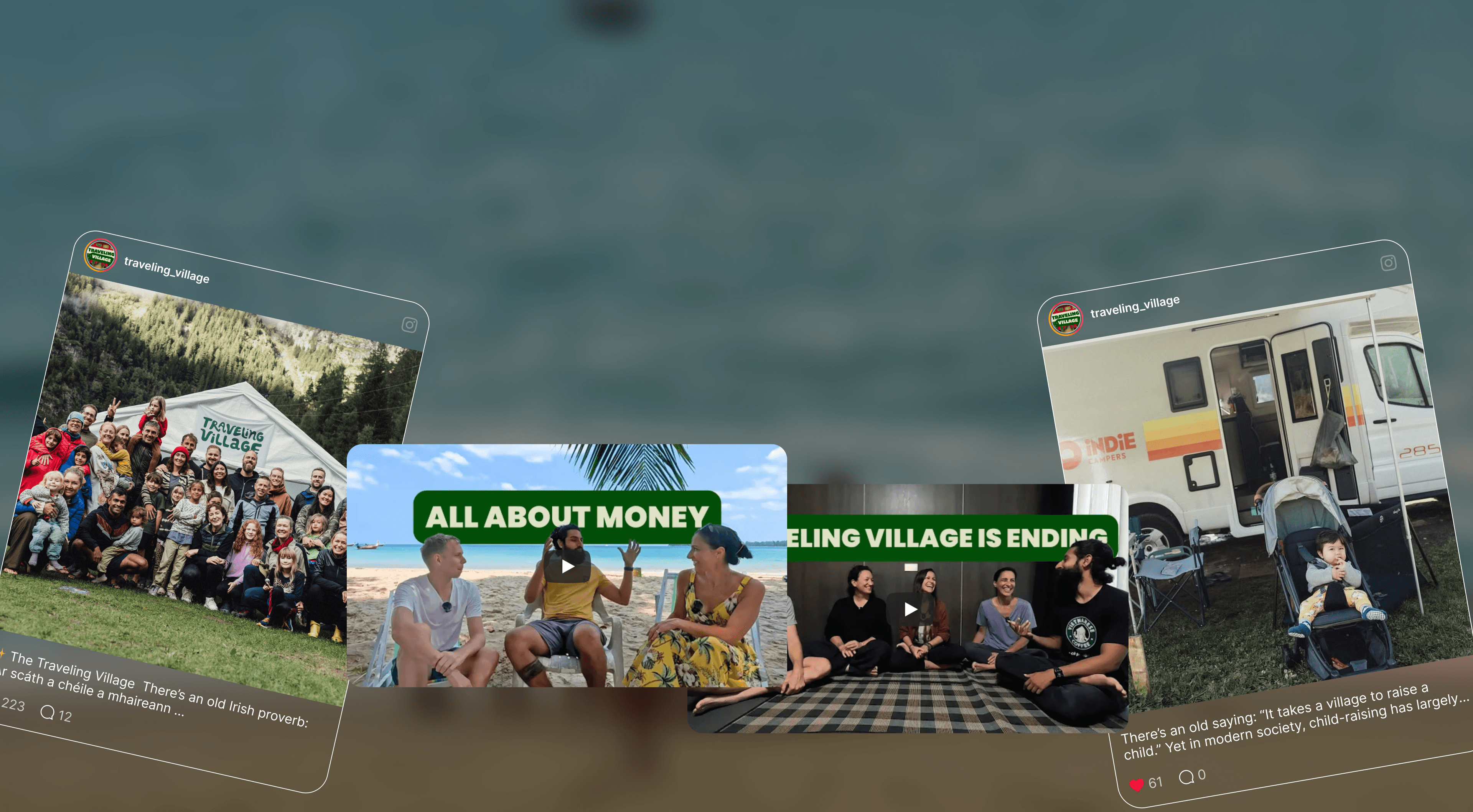
Our goal has always been that TV is an experiment and that we want to be transparent about both ups and downs. That's how we learn! Both during TV1 and TV3 we have recorded podcasts and we also share how TV life is really like on Instagram.
We do money as transparent as possible, seperating money into a fee for TV and a community fund that the community runs together. Here is how it works:
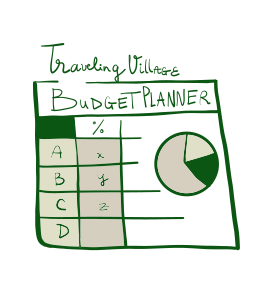
By structuring it this way, we ensure a fair, transparent system that balances personal responsibility with community-driven contributions. If you want to understand each of these better, click the below boxes for an in-depth description. We also made a budget planner, so you can calculate the total cost of your trip.
Sign up fee
Budget planner
The application form takes 45-60 minutes and we ask that you do it with your partner (if applicable). The form is created to help families clarify if the trip is the right thing for them and also covers some of the more harder things.
After filling out the form, your family will be invited to an initial call. At the call we can clarify any questions or concerns and tell more about the trip. We call this the reverse sales meeting as we try to also ask some harder questions - again to help your family clarify if this is the right thing for you.
Signing up
After the call your family will receive a link to even more information, including the handbook (which is also our terms and conditions). You confirm your spot by paying the non-refundable sign-up fee (the community fee is due 4 months prior to the trip). We try not to rush this phase, because it's important for us that families take the right decision. We are always available for extra calls.
Setting up the community
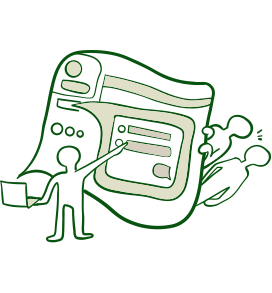
When the group is formed, we will launch our digital townsquare. From here we will also start the work in workgroups and have monthly village calls. This way we will all get to know each other, help make the trip fantastic and make sure we will hit the ground running. These months are a big part of the total experience and learning.
If you have questions please reach out to us at hi@travelingvillage.com
You’ll only receive one email per month
We are creating both TV4 and TV5
We are creating two villages that will follow very closely after each other. In TV2 and 3 we had a lot of families who joined both, which created some consistency. We hope the same will happen again.